The Big Picture
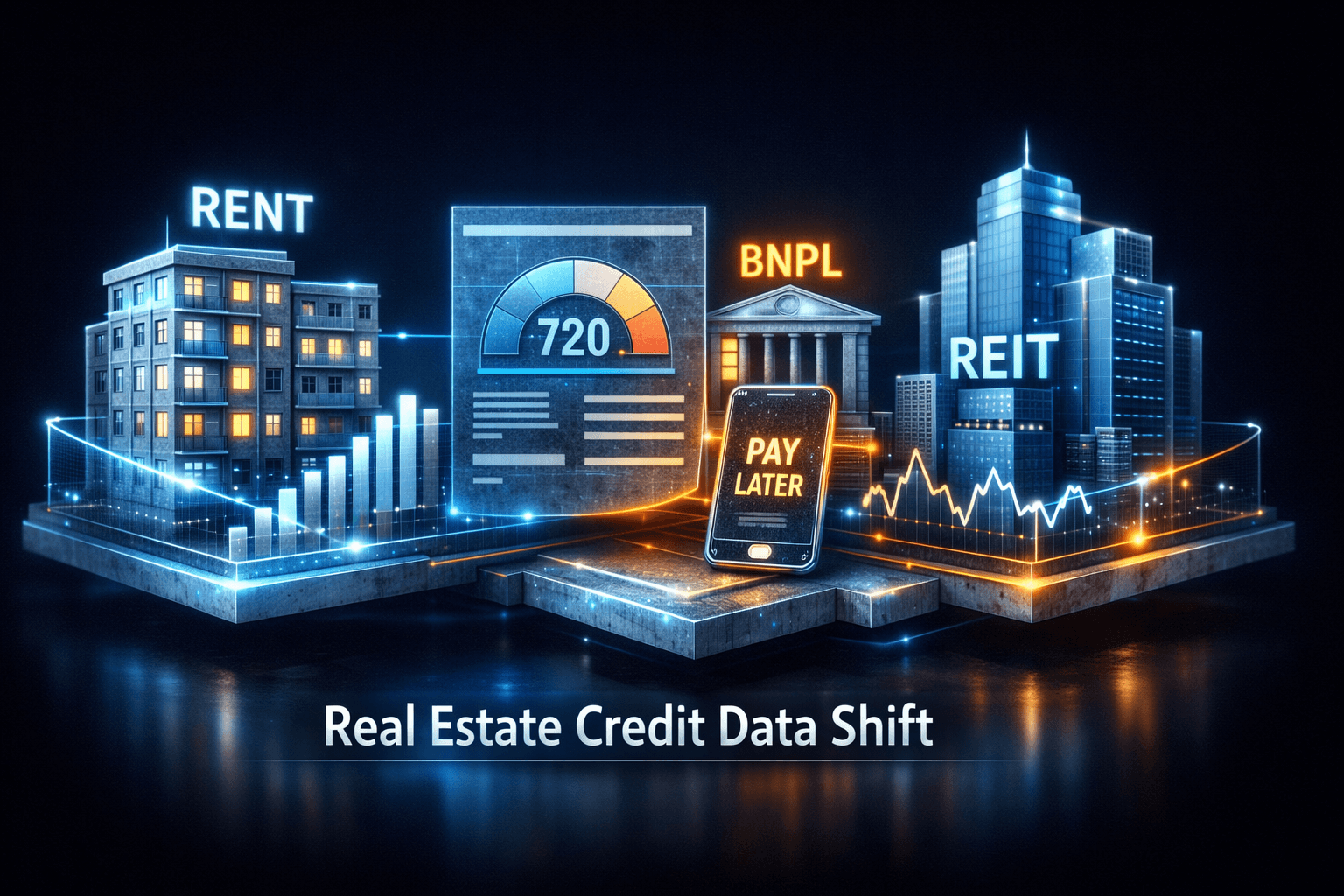
A major shift in mortgage underwriting is underway as lenders fold alternative data like rent payments and buy-now-pay-later activity into credit scoring. The change promises better risk visibility for some borrowers, but it also creates a growing information gap that could complicate originations and servicing.
This matters to you if you own mortgage-related stocks, REITs with lending exposure, or fintech names tied to credit data. Analysts note that operational, regulatory, and consumer-education risks will determine whether this change improves loan performance or introduces new frictions.
Market Highlights
Here are the fast takeaways from the HousingWire piece and what they mean for market watchers.
- Alternative data adoption: Rent payment history and BNPL records are being integrated into credit models, reshaping borrower profiles used in mortgage underwriting.
- Consumer impact: HousingWire says a growing information gap means many borrowers won't fully understand how new data affects their eligibility, arguing for embedded financial counseling.
- Who’s in play: Fintech and credit-data providers such as Affirm $AFRM, Upstart $UPST, and Block $SQ are part of this evolution, while large mortgage originators and banks will face model and compliance changes.
- Sector exposure: Mortgage REITs and lenders may see underwriting and servicing workflows shift, though HousingWire did not provide firm-level performance data or price moves.
Key Developments
Alternative data moves from niche to mainstream
Lenders are expanding beyond traditional credit bureau scores to include rent and BNPL behaviors. That can lift thin-file consumers into mortgage eligibility pools, but it also forces originators to recalibrate risk models and pricing.
For you, that means the borrower mix may change over time, potentially affecting default rates and prepayment patterns. Are these changes likely to lower overall loss rates or introduce new unpredictability?
Information gap raises consumer and compliance risk
HousingWire emphasizes that many borrowers won't understand how trended data and BNPL reporting influence their credit profiles. Financial counseling embedded in the lending process is recommended to reduce confusion and avoid downstream disputes.
Regulators and compliance teams will be watching closely. Data suggests that opaque reporting could trigger higher complaint volumes and scrutiny from agencies focused on fair lending and consumer protection.
Implications for mortgage lenders, servicers, and fintechs
Originators must update underwriting systems and disclosure practices. Servicers may need to adapt loss mitigation playbooks as borrower behavior metrics become more granular. Fintech firms that enable BNPL and rental reporting may see demand grow, but they'll also face integration and audit demands.
Analysts note the potential for winners among data aggregators and model vendors, while legacy players may invest heavily to avoid being left behind.
What to Watch
Monitor these catalysts and risks over the next several quarters to gauge how the sector digests this shift.
- Regulatory signals: Watch for guidance or enforcement actions from the CFPB and state regulators on alternative credit data and disclosure standards.
- Earnings and commentary: Track quarterly updates from mortgage originators and servicers where loan mix, application trends, and underwriting changes are disclosed. Also listen to fintech earnings calls for adoption metrics on BNPL reporting.
- Default and delinquency trends: Keep an eye on early-stage delinquencies and modification volumes, since trended data could alter the pool of borrowers entering loans.
- Operational costs: Expect one-time spending on systems integration and staff training. That may pressure margins in the near term while potentially improving underwriting outcomes later.
- Consumer sentiment: Complaints or confusion among borrowers could lead to higher remediation costs and reputational risk. Are lenders investing enough in counseling and clear disclosures?
Bottom Line
- The move to include rent and BNPL in credit scoring is a material structural change, with balanced upside and downside for the real estate finance ecosystem.
- Short term, you'll likely see investment in systems, compliance, and counseling that could weigh on margins for originators and servicers.
- Medium term, more complete data could expand access to mortgages for thin-file consumers, but outcomes will depend on model quality and consumer understanding.
- Regulatory scrutiny and consumer complaints remain key risks to monitor, and analysts note disclosure practice will be a differentiator among lenders.
- Stay selective and focus on firms that transparently outline how they integrate alternative data and how they plan to educate borrowers.
FAQ Section
Q: How will BNPL and rent reporting change mortgage approvals? A: Lenders can get a fuller picture of borrower cash flow which may approve some thin-file borrowers, but underwriting models will need validation and continuous monitoring.
Q: Should I expect higher credit losses from these changes? A: Data suggests the effect on losses is uncertain. Better data can reduce mispricing of risk, yet a mismanaged rollout and consumer confusion could increase complaints and short-term losses.
Q: What signals should I watch in company reports? A: Look for disclosures on model changes, technology investments, counseling programs, complaint volumes, and any regulatory comments on alternative data use.