The Big Picture
The Materials & Mining sector closed the day with mixed signals that underline a strategic inflection point for investors. A string of operational wins and corporate deals showed momentum on project execution and vertical integration, while broader structural risks surfaced in articles about China’s mine to magnet dominance and weaker year to date steel imports.
Why this matters to you is straightforward, long term supply architecture and near term demand trends will influence valuations and capital flows. What does this mean for your portfolio? It means selectivity and attention to policy developments will matter more than ever.
Market Highlights
Quick facts and price cues from today’s headlines.
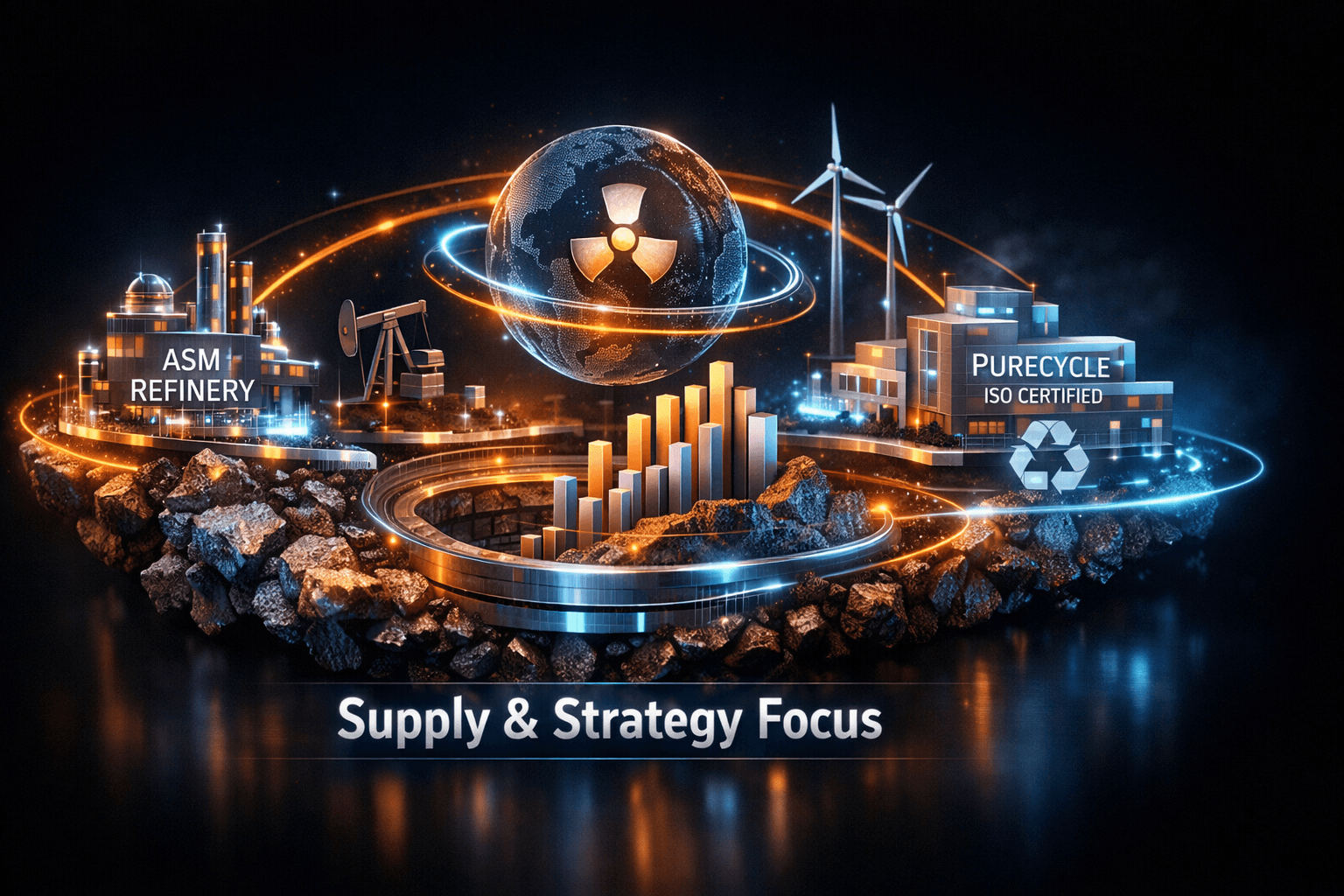
- Energy Fuels $UUUU completed a strategic acquisition of Australian Strategic Materials $ASM in a deal seen as plugging vertical gaps in rare earths and alloys, a move analysts call strategically coherent for non Chinese supply chains.
- PureCycle earned ISO 9001:2015 certification for its Ironton, Ohio recycling facility and reported progress toward a planned Thailand recycling site, marking a quality milestone for polymer recycling operations.
- Steel import volumes rose month over month in April, but total steel imports are down 29.5 percent year to date and finished steel imports are down 30.5 percent compared with 2025, a sign of softer demand versus last year.
- Element 25 signed long term mining services and ore haulage agreements for the Butcherbird mine in the Pilbara, supporting near term production logistics.
Key Developments
China’s mine to magnet strategy raises strategic stakes
InvestorNews published a detailed analysis of China’s four decade industrial push that built a full mine to magnet architecture. The piece argues the West’s vulnerability is structural and not something mining projects alone can fix.
That analysis puts renewed emphasis on downstream refining and magnet manufacturing. Can the West scale refining and magnet production quickly enough to break that leverage? Policy and coordinated investment will be key to any shift.
Energy Fuels buys ASM, tightening a strategic chain
Coverage of Energy Fuels’ acquisition of Australian Strategic Materials highlights vertical integration beyond rare earths. The deal aims to combine Energy Fuels’ processing footprint with ASM’s metals and alloys capabilities, addressing a critical feedstock to finished magnet gap.
Analysts note the move could reduce reliance on single source supply and improve control over downstream product quality, but execution and funding integration remain watch points for you as an investor following supply chain plays.
Operational progress and technology innovation
PureCycle’s ISO 9001:2015 certification at its Ironton recycling plant is a tangible quality milestone and supports the company’s expansion toward a Thailand recycling facility. Certification reduces execution risk for plant operators and signals better process control.
Thunderstone’s CEO discussed electrically stimulated in situ metal recovery, arguing newer extraction methods could let mines extract more metal with less rock. If scalable, these technologies could lower environmental footprint and unit costs, but commercialization timelines are still uncertain.
Policy, projects, and regional activity
The UK parliamentary inquiry into tungsten and defence minerals put mining and domestic refining squarely into the defence resilience conversation. That could accelerate local policy support for critical minerals in the UK.
Element 25’s contracts with Regroup Australia for Butcherbird’s mining and haulage support project stability in the Pilbara and reduce operational execution risk. Meanwhile, community and education initiatives like Orange County’s free K 12 environmental curriculum show growing public engagement with recycling and resource topics.
What to Watch
Focus on catalysts that could move stocks or sector sentiment tomorrow and beyond.
- Policy updates, hearings, and subsidies aimed at domestic refining and magnet production in the UK and the US, which could change long term supply economics.
- Execution and integration milestones from $UUUU and $ASM tied to production timelines and funding. Watch operational updates and capital plans closely.
- Commercialization tests and pilot results from in situ extraction firms like Thunderstone, since successful scale up would reshape cost curves and environmental profiles.
- Monthly trade data for steel and other bulk commodities. The April partial rebound month over month must be watched against continued year to date declines to judge demand momentum.
- Project contracting and logistics confirmations for mines such as Butcherbird, which affect near term output and cash flow. Also monitor junior developer events, including the West High Yield presentation on Record Ridge magnesium for project clarity.
Risk factors to monitor include policy missteps, execution delays on new projects, and macro demand shocks. You should also watch geopolitics since the China supply chain narrative could prompt rapid policy responses that move markets.
Bottom Line
- Sector sentiment is mixed, with operational wins and strategic deals balanced by structural supply chain risks and weaker year to date steel imports.
- Energy Fuels’ acquisition of ASM is strategically important for non Chinese rare earth supply chains, but execution and funding integration are key uncertainties.
- Certification and contract wins at PureCycle and Element 25 lower near term execution risk and support project stability.
- China’s mine to magnet architecture remains a long term structural challenge that policy and downstream investment must address.
- Be selective and focus on companies that can demonstrate execution, funding clarity, and exposure to policy support, since these factors will shape performance going forward.
FAQ Section
Q: How does Energy Fuels’ purchase of ASM change the rare earths landscape? A: The deal aims to add metals and alloy capabilities to Energy Fuels’ processing footprint, which analysts say could strengthen non Chinese midstream supply chains and improve control over downstream product quality.
Q: Should I be worried about the drop in steel imports year to date? A: The April month over month uptick is encouraging, but year to date imports are down significantly which suggests demand remains soft relative to 2025, so watch monthly trade trends for confirmation.
Q: What timeline matters for new extraction technologies like Thunderstone’s? A: Commercial scaling is the critical unknown. Pilot results and early commercial contracts are the milestones to watch, since they will determine whether the technology moves from promise to profitable deployment.