The Big Picture
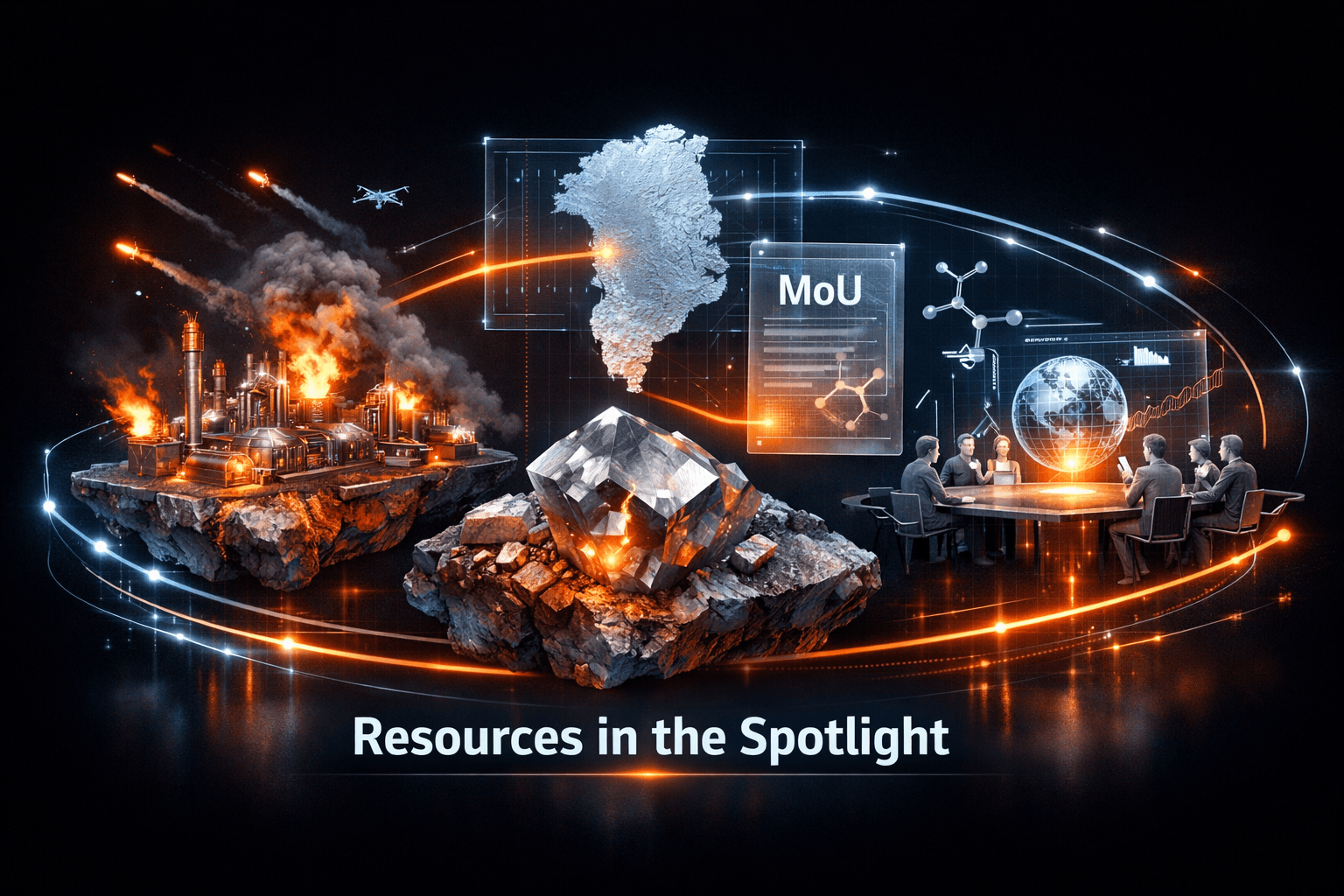
Overnight headlines combined a sharp geopolitical shock with steady industry-level repositioning, leaving today’s Materials & Mining landscape mixed but far from settled. Iranian missile and drone strikes damaged major aluminium facilities in the UAE and Bahrain, creating an immediate supply concern for aluminum markets.
At the same time, a new molybdenum supply MoU and a high-profile critical minerals summit underline ongoing capital flows into strategic materials and technology-driven safety improvements underground. You’ll want to weigh short-term disruption against longer-term demand trends as you read on.
Market Highlights
Quick facts to scan before the open and as you monitor markets today.
- Iranian attacks hit aluminium facilities in the UAE and Bahrain, causing operational disruption at two major plants and prompting supply-chain scrutiny.
- Greenland Resources signed a memorandum of understanding with ROGESA, a JV linked to German steelmakers Dillinger and Saarstahl, for future molybdenum supply.
- The Critical Minerals Institute confirmed CMI Summit 5 in Toronto for May 13–14, 2026, focusing on supply-chain control and investment strategy for critical minerals.
- Mining Technology published an industry primer on underground safety tech, highlighting V2X communications and wearables as tools improving response times underground.
- Analysts and market commentators are discussing implications for primary producers and alloy makers, including firms often referenced in coverage such as $AA and steel makers that rely on molybdenum inputs like $NUE, though impacts will vary by asset and geography.
Key Developments
Geopolitical Strike Disrupts Aluminium Production
Iranian missile and drone attacks damaged two major aluminium production sites located in the UAE and Bahrain. The immediate effect is operational disruption and heightened short-term supply risk for the aluminium complex.
What does that mean for you? Analysts note the incident increases near-term price volatility and could pressure global supply chains that feed beverage-can makers, auto body plants, and downstream smelters. Keep an eye on official reporting from the owners and on trade flows from Gulf producers.
Greenland Resources and ROGESA Agree Molibdenum Supply MoU
Greenland Resources signed a memorandum of understanding with ROGESA Roheisen-und Rohstoffgesellschaft Saar to supply molybdenum for use in German steelmaking. The MoU signals growing industrial demand for specialty alloys and a willingness by European buyers to lock in upstream sources.
For investors, the deal underscores the strategic value of deposit control and of projects that can deliver critical alloying metals. Data suggests longer-term offtake frameworks like this could reduce volatility for producers that can scale responsibly.
Safety Tech and Policy: From Wearables to Summit Floor Strategy
Mining Technology highlighted how V2X communications, wearable devices, and improved situational awareness are cutting incident response times underground. Technology adoption is accelerating even as many operations face visibility and environmental limits.
Meanwhile, the Critical Minerals Institute’s CMI Summit 5 will convene policymakers, miners, and capital allocators in Toronto on May 13–14. The event is positioned to shape how supply chains are organized globally, and it will put several policy and investment levers under the microscope.
What to Watch
Expect a mix of near-term volatility and longer-term repositioning. Here are the practical catalysts and risks you should monitor today and in the coming weeks.
- Operational updates and damage assessments from the affected UAE and Bahrain aluminium plants, plus any insurance or force majeure filings. These will drive short-term price and trade-flow moves.
- Aluminium and related commodity price action, plus inventory reports from major exchanges and warehousing networks. Check LME and regional stock movements for signs of tightening or replenishment.
- Progress on Greenland Resources’ project permitting and financing, and any binding offtake terms after the MoU. That will determine how meaningful the molybdenum supply linkage is for European steel mills.
- Registration and speaker list for CMI Summit 5 in Toronto, which could signal where government policy and capital will flow for critical minerals projects. Will you get clarity on incentives and supply-chain deals at the summit?
- Adoption rates for underground safety tech and any regulatory shifts tied to mine safety. Improved safety tech can reduce incident-related downtime, but adoption requires capex and training.
Bottom Line
- Short-term: The aluminium supply shock from Gulf attacks creates volatility and operational risk, so expect price moves and tight headlines to dominate day-to-day trading.
- Medium-term: Deals like the Greenland Resources-ROGESA MoU show industrial buyers are securing feedstock, indicating steady long-term demand for specialty metals such as molybdenum.
- Policy and capital: The CMI Summit will be a venue to watch for policy signals and financing approaches that could reshape critical-minerals supply chains.
- Operational resilience: Safety technologies and improved underground communications are practical efficiencies that reduce risk and downtime, though deployment takes time and investment.
- Positioning: Analysts note a mixed picture, so you should watch specific asset news and macro signals rather than broad sector headlines alone.
FAQ Section
Q: How might the Gulf attacks affect aluminium prices? A: Supply disruptions at major plants usually increase short-term volatility; markets will watch production reports and inventories to assess duration and magnitude.
Q: Does the Greenland-ROGESA MoU mean immediate molybdenum shipments to Europe? A: No, a memorandum of understanding outlines intent and framework, but binding offtake and delivery timing depend on later contracts and permitting.
Q: Will safety tech reduce mine-related downtime this year? A: Technology like V2X and wearables can shorten response times and improve situational awareness, but scale-up and training timelines mean benefits are gradual rather than overnight.