The Big Picture
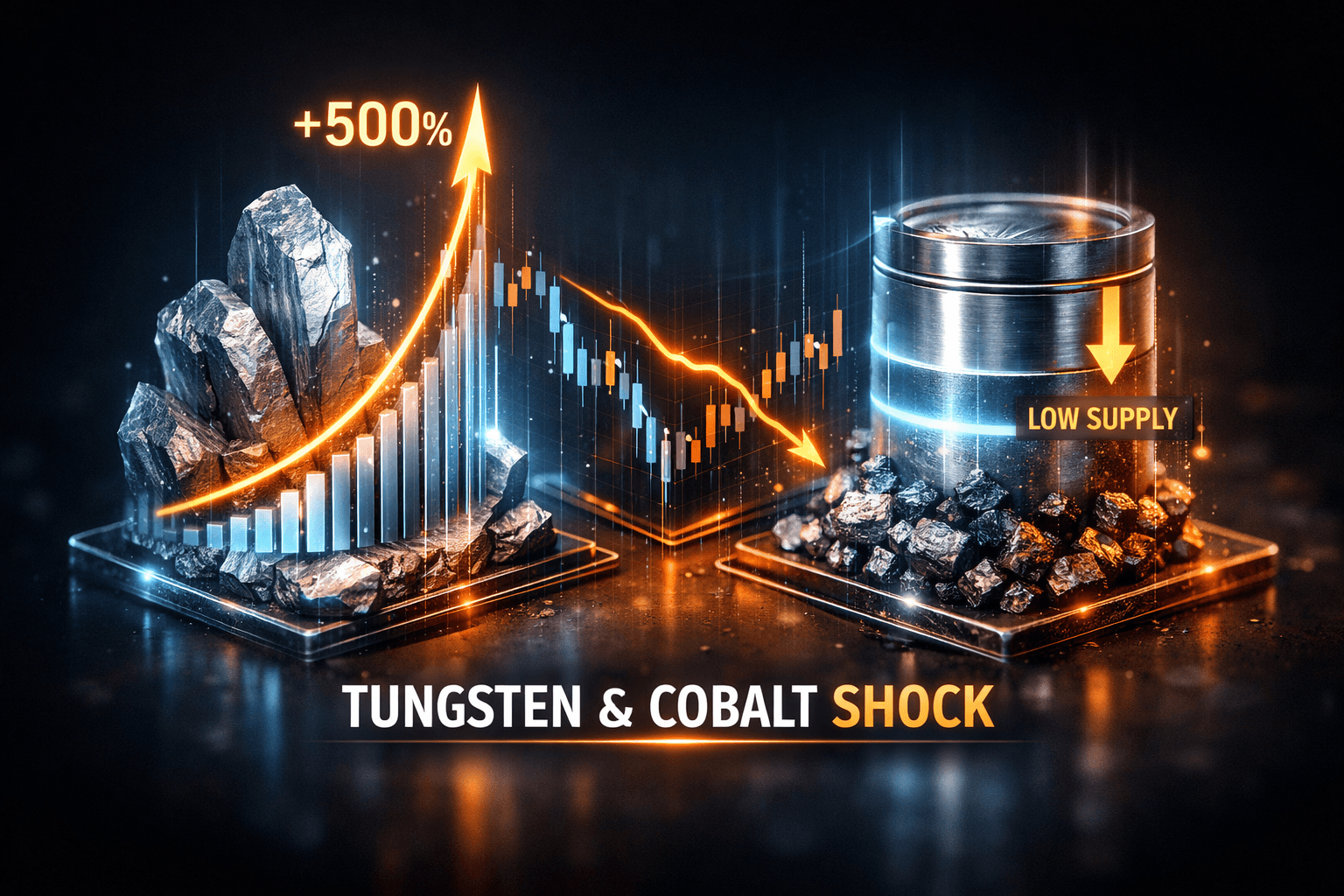
A sharp spike in critical-mineral prices has put the Materials & Mining sector squarely in the geopolitical headlines. Reports on Mar 22 show tungsten up roughly 500% and widespread scrambling for cobalt inventories, developments that matter because these materials feed clean-energy tech, defense systems, and industrial supply chains.
Markets were closed on Sunday, Mar 22, so there was no U.S. trading session. For price context, use data as of Friday, March 20, and expect volatility when markets reopen on Monday, Mar 23. You should be following both commodity spot moves and policy responses closely, because the story now blends price action with strategic risk.
Market Highlights
Key quick facts and market signals to note as you prepare for the week ahead.
- Commodity spike: Tungsten prices were reported rising about 500% in recent trading and reporting, a move that signals acute tightness in one strategic input.
- Cobalt pressure: Market commentary describes a scramble for cobalt inventories, reflecting worsening supply-demand balance for battery and specialty alloy uses.
- Miners in focus: Major diversified miners such as $BHP, $RIO, and copper-focused $FCX are likely to draw investor attention when markets reopen, as analysts note the macro signal but caution on direct exposure.
Key Developments
Tungsten’s 500% headline and what it means
The reported 500% surge in tungsten prices is the most eye-catching number from the Mar 22 coverage. That kind of move, analysts note, points to either a dramatic demand spike, a supply shock, or both. For companies with tungsten exposure, higher prices can boost margins quickly, but price spikes often come with volatile swings the other way.
For you, that means watching producers and listed explorers with tungsten assets, and watching spot market liquidity. How persistent the rally becomes will depend on new supply coming online and on whether policymakers restrict trade in strategic materials.
Cobalt tightness and battery supply-chain implications
InvestorNews reports a scramble for cobalt inventories, a development that reverberates through the electric-vehicle and battery sectors. Cobalt is a smaller share of many modern battery chemistries, but it remains important for certain applications and for diversified battery sourcing strategies.
Data suggests buyers are pre-emptively securing stocks to avoid disruption. That could mean upward pressure on cobalt-linked juniors and refiners, while integrated miners may see widening spreads, but it also increases the risk of sudden price corrections if demand expectations shift.
‘Critical Minerals NATO’ framing and policy risk
The narrative from the report pushes beyond markets into geopolitics, proposing a coordinated allied approach to critical minerals security. If governments pursue export controls, stockpiling, subsidies, or strategic partnerships, that will reshape which companies and jurisdictions benefit.
Policy shifts create winners and losers at the country and company level, and they can affect project timelines. You should watch government statements closely this week, because policy responses often move markets once trading resumes.
What to Watch
Here are the catalysts and risk points that could reshape sentiment when markets reopen on Monday, Mar 23.
- Policy announcements: Look for comments from the U.S., EU, and allied capitals about export controls, stockpiling, or incentives for critical-minerals processing.
- Spot-price updates: Tungsten and cobalt spot quotes will matter more than headline narratives. Track daily fixes and inventory reports to see if spikes are being sustained.
- Corporate disclosures: Expect miners and juniors to update the market if they have direct exposure to tungsten, cobalt, or other strategic metals. Quarterly reports and operational updates later this month could clarify production paths.
- Geopolitical developments: Any escalation in conflict zones or new sanctions can quickly tighten markets. Ask yourself, how resilient are supply chains for the firms you follow?
Bottom Line
- Reports of a 500% tungsten surge and cobalt tightness are strong signals of short-term market stress, but they also raise policy and volatility risks going forward.
- Miners with direct exposure may benefit from higher prices, yet price spikes can reverse and often attract rapid new supply or regulation.
- Analysts note that coordination among allied governments on critical minerals could alter the investment landscape, creating strategic winners and losers.
- When markets reopen on Monday, Mar 23, watch spot-price confirmations and any government statements before making changes to your watchlist.
FAQ
Q: How should I interpret the 500% tungsten number? A: That headline indicates acute tightness reported in the market, and it should prompt you to verify spot quotes and inventory data, because such moves can reflect low liquidity as much as fundamental change.
Q: Will cobalt shortages hit EV production immediately? A: Short-term supply bottlenecks can disrupt sourcing for some manufacturers, but many battery producers are shifting chemistries and suppliers, so impacts will vary by company.
Q: Should I expect government intervention in critical minerals? A: Governments are increasingly focused on security of supply. Analysts note policy moves are likely, and you should track announcements that could change trade flows and project economics.
Note: This summary is informational. It does not recommend buying, selling, or holding any security. Analysts note the landscape is fluid and data suggests both opportunity and risk are elevated heading into the coming week.