The Big Picture
Today brought a clear message: manufacturers and industrial operators are investing to expand capacity and modernize operations. You saw it in a headline deal, fresh payroll gains, and an uptick in automation and reshoring commitments across the sector.
Those moves matter because they translate into more domestic capacity, potential supply-chain resilience and longer term demand for industrial equipment and services. If you're tracking industrial plays or suppliers, today's flow of capital and jobs suggests momentum is building.
Market Highlights
Key facts and figures you should note from today's headlines.
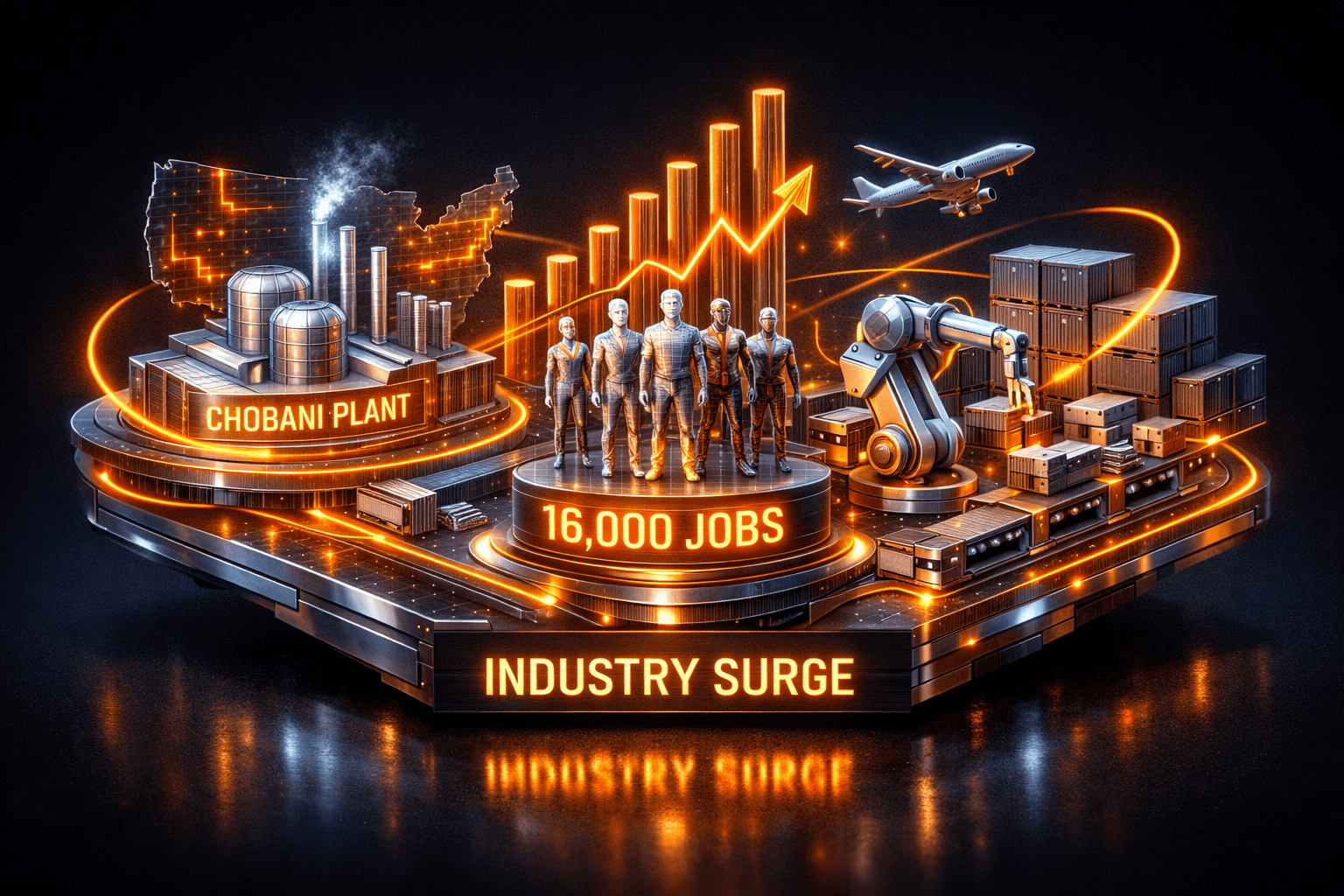
- Chobani will spend $1.2 billion to buy and convert a Pennsylvania plant from Keurig Dr Pepper, creating a new production and distribution hub.
- U.S. manufacturing added 16,000 jobs in August, with machinery manufacturing up by 6,100 jobs while motor vehicles and parts lost 4,500 workers.
- Reshoring Initiative data shows 36% of manufacturers are actively reshoring, while 31% have no plans to do so, indicating a split but meaningful reshoring cohort.
- Urban Outfitters' rental unit Nuuly is pursuing automated sortation and picking at its Kansas City area fulfillment center, signaling more investment in warehouse tech from apparel retailers.
- The Department of Justice asked a judge to dismiss a lawsuit challenging Century Aluminum's Inola smelter project, framing it as advancing national and economic security.
Key Developments
Chobani's $1.2B plant purchase expands food manufacturing capacity
Chobani agreed to buy a Pennsylvania facility from Keurig Dr Pepper for $1.2 billion and convert it into a major new hub for growth. The deal signals stronger vertical investment by a consumer packaged goods company into manufacturing and distribution infrastructure.
For you that follows suppliers and industrial contractors, this could lift demand for packaging lines, refrigeration equipment and logistics services in the region. The transaction also illustrates a trend of food companies securing dedicated capacity rather than relying solely on contract manufacturing.
Jobs and reshoring: hiring shows resilience, reshoring remains selective
August payrolls added 16,000 manufacturing jobs, led by a 6,100 gain in machinery manufacturing. Motor vehicles and parts shed 4,500 jobs, underlining unevenness across subsectors.
At the same time, the Reshoring Initiative report shows 36% of manufacturers are actively reshoring while 31% are not. That split means you're likely to see concentrated investment in certain product lines and regions rather than a broad shift overnight.
Automation ramps and legal clarity on big aluminum project
Urban Outfitters' Nuuly is moving toward automated order sortation and picking at its Kansas City area fulfillment center. This is another example of retailers and rental services prioritizing labor-saving tech to improve throughput and lower per-order costs.
Separately, the DOJ asked a judge to dismiss a challenge to Century Aluminum's proposed Inola smelter, saying the project supports national and economic security. That legal push from the federal government reduces one source of near-term policy risk for the project, and it could accelerate construction timelines if courts concur.
What to Watch
Look for signals that confirm today's momentum continues into the fall. Will capital spending announcements broaden beyond food and apparel fulfillment? How will you interpret hiring flow across subsectors?
- Earnings and investor calls this month from major equipment makers and industrial suppliers. Analysts note commentary on backlog, pricing and lead times will matter.
- Follow construction and permitting milestones for the Inola smelter. A court dismissal would clear a major legal hurdle and could prompt supplier and regional economic updates.
- Track automation rollouts at fulfillment centers like Nuuly's. Successful pilot results often lead to expanded deployment and higher demand for robotics integrators and software providers.
- Reshoring metrics, tariff guidance and energy cost trends. These factors will influence capex decisions, especially for OEMs weighing domestic investment despite cost uncertainty.
- Labor market details, including subsector payrolls and wage trends. Machinery and parts employment swings can signal where industrial demand is strongest.
Bottom Line
- Investment signals are positive, with Chobani's $1.2 billion plant buy and continued automation purchases pointing to capacity and efficiency bets.
- Employment gains of 16,000 in manufacturing, led by machinery, back the narrative of resilient industrial demand even as auto-related jobs slip.
- Reshoring is progressing but selective, so look for concentrated regional and supplier winners rather than uniform domestic relocation.
- Federal support for the Century Aluminum Inola project reduces a legal overhang, which could speed project timelines and supplier engagement.
- Keep watching capex commentary, automation pilots and hiring details to gauge whether this momentum becomes sustained growth or a near-term spike.
FAQ Section
Q: What does Chobani's $1.2 billion plant purchase mean for industrial suppliers? A: It suggests increased demand for packaging, refrigeration and distribution infrastructure, and analysts note local supplier contracts often follow such conversions.
Q: How should you read the 16,000 manufacturing jobs added in August? A: The gain points to ongoing hiring in machinery and other segments, but the motor vehicle job losses show the recovery is uneven across subsectors.
Q: Will reshoring and automation reduce reliance on overseas supply chains? A: Data suggests reshoring is accelerating for a sizable minority of firms and automation is boosting domestic throughput, but cost and tariff uncertainty mean the shift will be gradual and selective.