The Big Picture
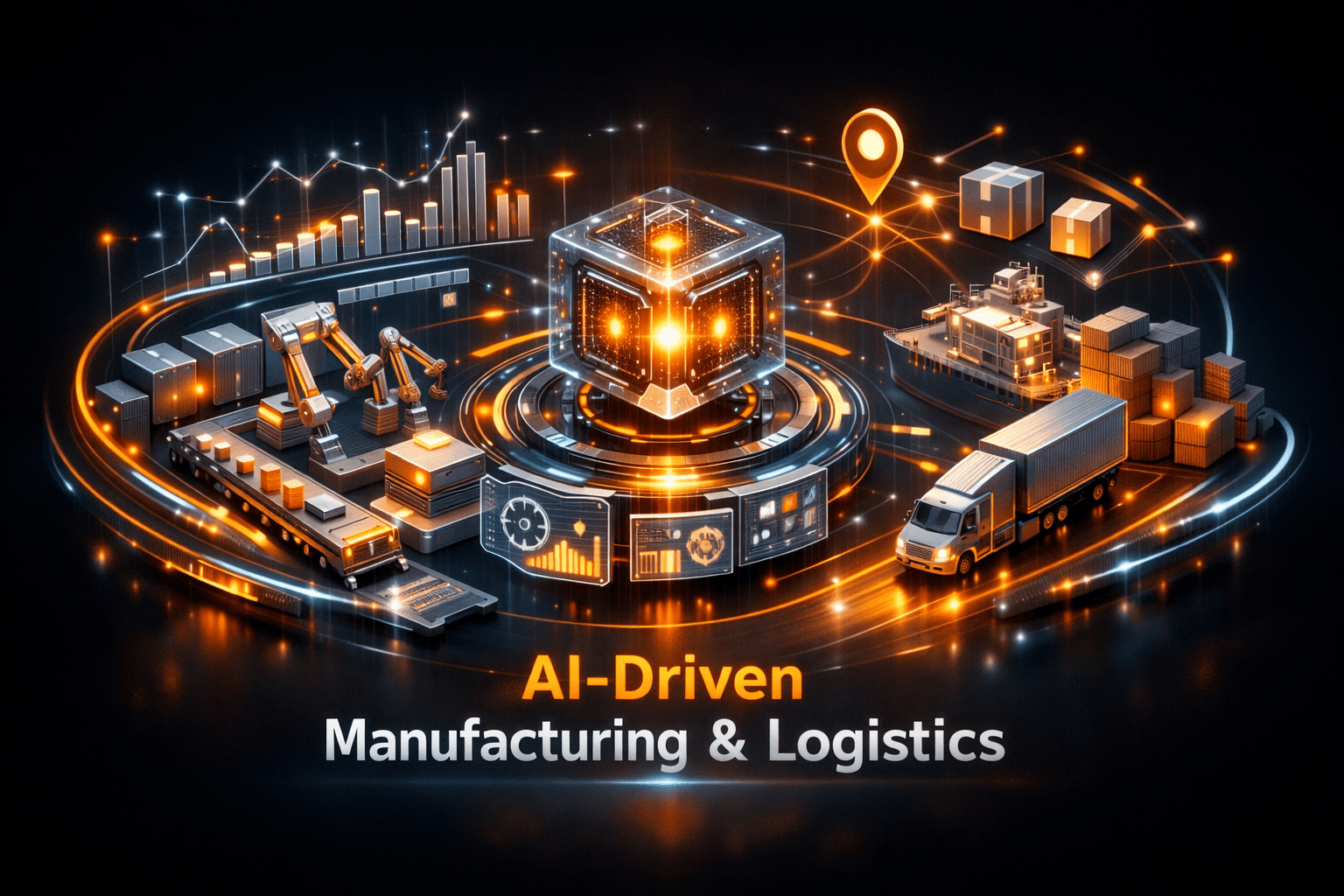
Agentic AI and applied machine learning are moving manufacturing and logistics from reactive problem solving to proactive optimization, and that shift matters for margins and capital allocation. Today’s coverage shows vendors and operations leaders finding real use cases in factories, transportation management systems, and precision shipping, while Lean-driven total cost of ownership work pulls hidden costs into view.
If you follow industrial stocks, this is not just a technology story, it’s an operations story that could affect productivity, downtime, and shipping losses, all of which feed into profitability. Could these tools shave costs and boost resiliency across supply chains this year? That question will shape investor attention today.
Market Highlights
Early trading is reflecting optimism around industrial efficiency themes as AI and logistics articles circulate. Keep an eye on headline industrial names and logistics providers for intraday reactions.
- Sector snapshot, pre-market: the Industrial Select Sector ETF $XLI is showing modest gains, reflecting interest in automation and logistics efficiency.
- Key names to watch include $GE, $CAT, $HON and logistics plays like $UPS and $FDX, which often move on shipping and supply chain headlines.
- Small- and mid-cap industrials that supply automation gear and sensors can be volatile as adoption stories hit the tape, so check real-time quotes if you’re monitoring intraday moves.
Key Developments
Agentic AI: factories go from reactive to proactive
Manufacturing Dive highlights agentic AI as a step beyond traditional automation, enabling systems to take initiative on maintenance, scheduling and quality control. That means factories can reduce unplanned downtime and improve throughput, which could translate into better utilization and lower per-unit costs.
For you that follows industrial operations, the implication is straightforward, efficiency gains could be the low-hanging fruit that improves margins without proportionate increases in sales. Analysts note the speed of ROI will vary by plant and process complexity.
AI in Transportation Management Systems is practical, not just hype
Supply Chain Dive reports AI is already producing measurable wins inside Transportation Management Systems, from smarter lane optimization to dynamic carrier selection. These applications aim to reduce freight spend and improve on-time delivery rather than chase headline-level autonomy promises.
Can TMS AI convert routing and pricing gains into predictable savings for large shippers? Data suggests targeted deployments are doing just that, and logistics providers that integrate these capabilities may win more business from shippers focused on cost transparency.
Total Cost of Ownership and precision shipping tighten margins
Lean experts writing for Supply Chain Dive emphasize how Total Cost of Ownership analysis uncovers hidden costs beyond purchase price, such as maintenance, downtime and freight risk. That links directly to the Sink-or-Swim reality for high-value cargo discussed in a separate piece on precision shipping.
Precision shipping has moved from a nice-to-have into a risk-management requirement for high-value and time-sensitive goods. For manufacturers and logistics firms, improving assurance rates and visibility can cut claim costs and protect customer relationships.
What to Watch
Watch for earnings and commentary from industrial bellwethers that report new automation or TMS wins, and listen for guidance changes tied to productivity improvements. You’ll want to monitor capital spending trends as well, since elevated capex could steady future growth while pressuring near-term margins.
- Near-term catalysts: quarterly reports, supplier conferences, and major trade show announcements where vendors often unveil deployment case studies.
- Operational metrics to track: service-level improvements, downtime reduction, freight spend per unit and claim rates for high-value shipments.
- Risk factors: adoption lag, integration costs, labor shortages that could blunt benefits, and macro freight-price volatility that may offset TMS savings.
Bottom Line
- Agentic AI and targeted TMS implementations are delivering measurable efficiency gains, which could improve utilization and reduce freight costs.
- Total Cost of Ownership analysis is bringing hidden expenses to light, giving companies a clearer view of where to cut waste and protect margins.
- Precision shipping is rising from operational priority to strategic necessity for high-value cargo, with implications for logistics providers and insurers.
- Watch earnings commentary and capex guidance for signs that companies are scaling these technologies across plants and networks.
- Data suggests momentum is building, but execution risk and integration costs mean benefits will vary by company and timeline.
FAQ Section
Q: How soon could AI deployments affect company margins? A: It depends on scale and starting point, but targeted deployments in maintenance and transport routing can show benefits within quarters, while full digital transformations take longer.
Q: Which metrics should you monitor to judge success? A: Track downtime, throughput, freight cost per unit, and claim rates for shipped goods, because those metrics reflect both cost and service improvements.
Q: Are these developments relevant for small-cap industrials? A: Yes, small-cap suppliers of sensors, software and automation services can see demand gains as larger firms adopt agentic AI and TMS upgrades, but growth will be uneven.