The Big Picture
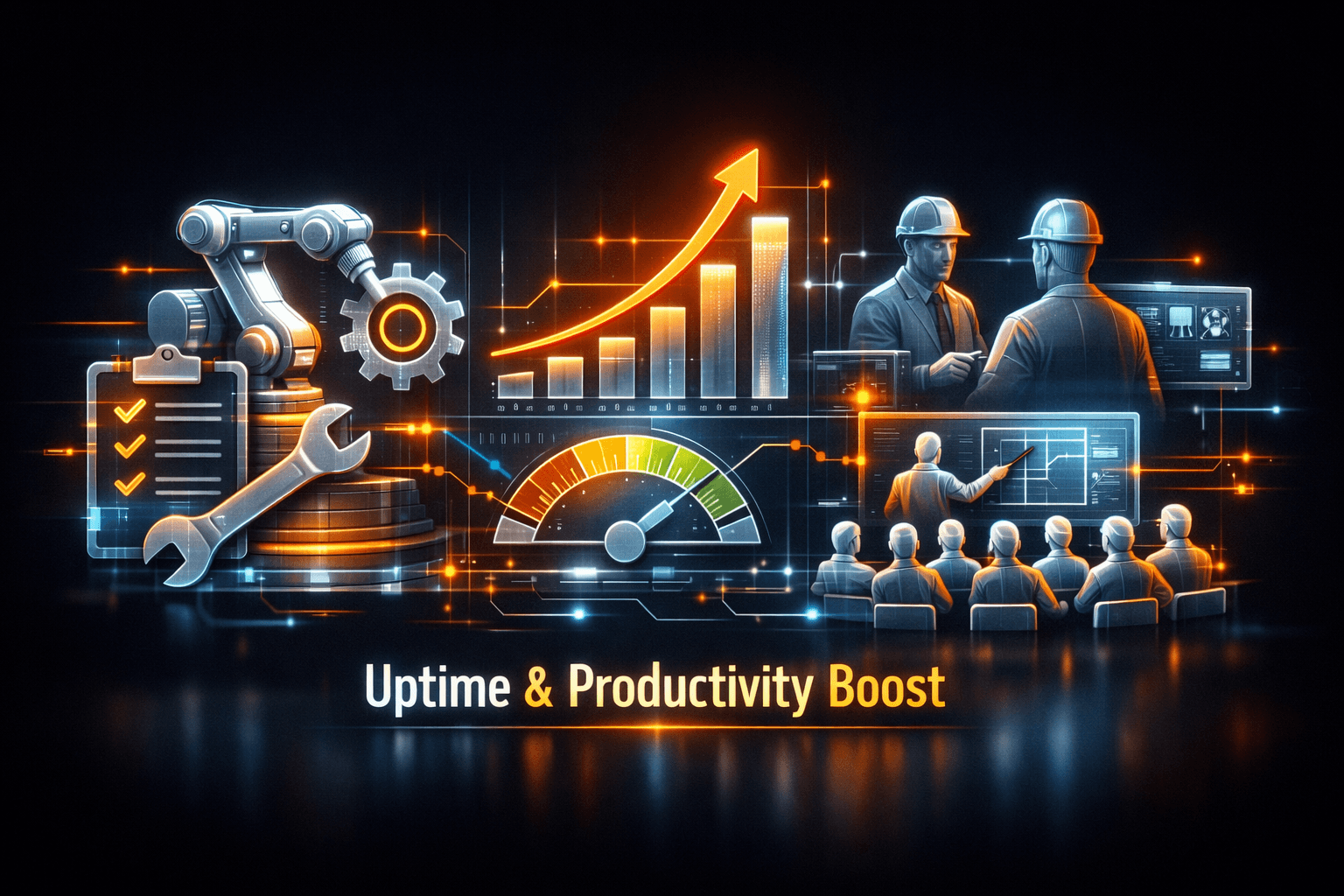
Operational resilience, not flashy new tech, dominated Industrial & Manufacturing headlines overnight. Two Plant Engineering pieces emphasize fundamentals: practical maintenance strategies to reduce downtime, and a defense of in-person learning as a superior path for certain workforce skills.
Why does this matter to you as an investor? Better maintenance and more effective training can translate into higher equipment uptime, steadier production, and improved margins over time. Those improvements are gradual, but they can affect capital efficiency and competitive positioning for industrial firms.
Market Highlights
These stories didn’t include company earnings or market-moving corporate announcements, so the focus is operational trends rather than immediate price action. Still, these themes are relevant to major industrial operators and suppliers.
- Maintenance advice targets plant managers aiming to reduce unplanned downtime, a persistent cost driver in manufacturing.
- Plant Engineering argues in-person learning wins over AI for complex, hands-on skills, reinforcing the need for skilled technicians on the shop floor.
- Companies with heavy equipment fleets or long-lived capital assets, such as $CAT and $GE, are natural beneficiaries if firms adopt better maintenance regimes and training programs.
Key Developments
Maintenance best practices: focus on outcomes
The maintenance primer stresses practical steps managers can use to keep equipment running and avoid costly stoppages. Recommendations range from prioritizing preventive schedules to better root-cause analysis after failures.
For you, the takeaway is simple: incremental improvements in maintenance tend to reduce variability in production and can protect margins, especially when supply chains remain tight. Analysts note that lower unplanned downtime often shows up as steadier revenue conversion and better asset utilization over time.
In-person learning vs AI: where human contact wins
Plant Engineering’s piece on training makes a clear case that classroom and hands-on instruction still outperform AI-only approaches for many industrial tasks. The article calls out complex troubleshooting, safety training, and multi-step machine set-ups as areas where in-person coaching is more effective.
That suggests firms investing in hybrid training programs may see faster skill transfer and fewer error-related stoppages. You should consider how workforce development strategies could become a differentiator between peers with similar technology stacks.
Operational linkages for industrial names
Put together, the two stories underline a theme corporate managers have emphasized all year: operations and people matter as much as automation. Improving maintenance practices and maintaining robust training programs is icing on the cake for firms trying to squeeze more output from existing assets.
Maintenance and training choices can influence capex pacing, spare-parts inventories, and contractor usage. Data suggests companies that tighten maintenance protocols may delay or reduce incremental capital spend, while still improving throughput.
What to Watch
Look for quarterly reports and management commentary that discuss maintenance metrics and workforce development. Do they mention mean time between failures, planned versus unplanned downtime, or training hours per worker? Those details can show whether the practices highlighted overnight are being implemented.
Also watch supplier order books and spare-parts inventories, they can reveal whether firms are shifting to more preventive maintenance. How will AI tools be integrated into training programs, and will companies report measurable gains? Those answers will determine whether the current focus stays tactical or becomes strategic.
Risks to monitor include labor constraints that limit the ability to scale in-person training, and budget pressure that could force firms to cut maintenance spending. If cost cutting targets headcount or training, you could see higher variability in production and margins.
Bottom Line
- Maintenance and training stories point to operational levers that can reduce downtime and improve throughput.
- These are largely non-financial, gradual gains, but they matter for long-term asset efficiency and margin stability.
- Watch corporate disclosures for specific maintenance metrics, training hours, and spare-parts trends to gauge execution.
- Consider companies that publicly emphasize preventive maintenance and hands-on training as better positioned to manage production volatility.
- Analysts note these themes may not move prices overnight, but they’re relevant to earnings durability and capex decisions over the next several quarters.
FAQ Section
Q: How quickly can better maintenance reduce production losses? A: Improvements can show up within a quarter for scheduling and small repairs, while larger reliability projects may take multiple quarters to deliver full benefits.
Q: Will AI replace in-person training for industrial workers? A: Not entirely, AI can augment learning, but Plant Engineering highlights situations where hands-on, in-person instruction remains superior for complex, safety-critical tasks.
Q: Which metrics should you watch to see if a company is improving operations? A: Look for mean time between failures, planned versus unplanned downtime, training hours per employee, and spare-parts turnover in company disclosures.