The Big Picture
Research and public-health alerts set the tone for the healthcare sector heading into the long weekend. Major studies on childhood trauma and human visual perception landed alongside an urgent warning about rising child drownings and renewed media focus on healthcare costs and policy.
None of these items produced immediate market-moving developments while U.S. equity markets were closed, but they collectively shape headlines investors will digest when trading resumes on Monday, July 6. If you follow healthcare names, you should be thinking about how research, prevention campaigns, and political debate translate into demand and policy risk.
Market Highlights
U.S. equity markets were closed Saturday, July 4. The last trading day was Thursday, July 2 and the next open session is Monday, July 6. Below are quick sector takeaways to file for the holiday weekend.
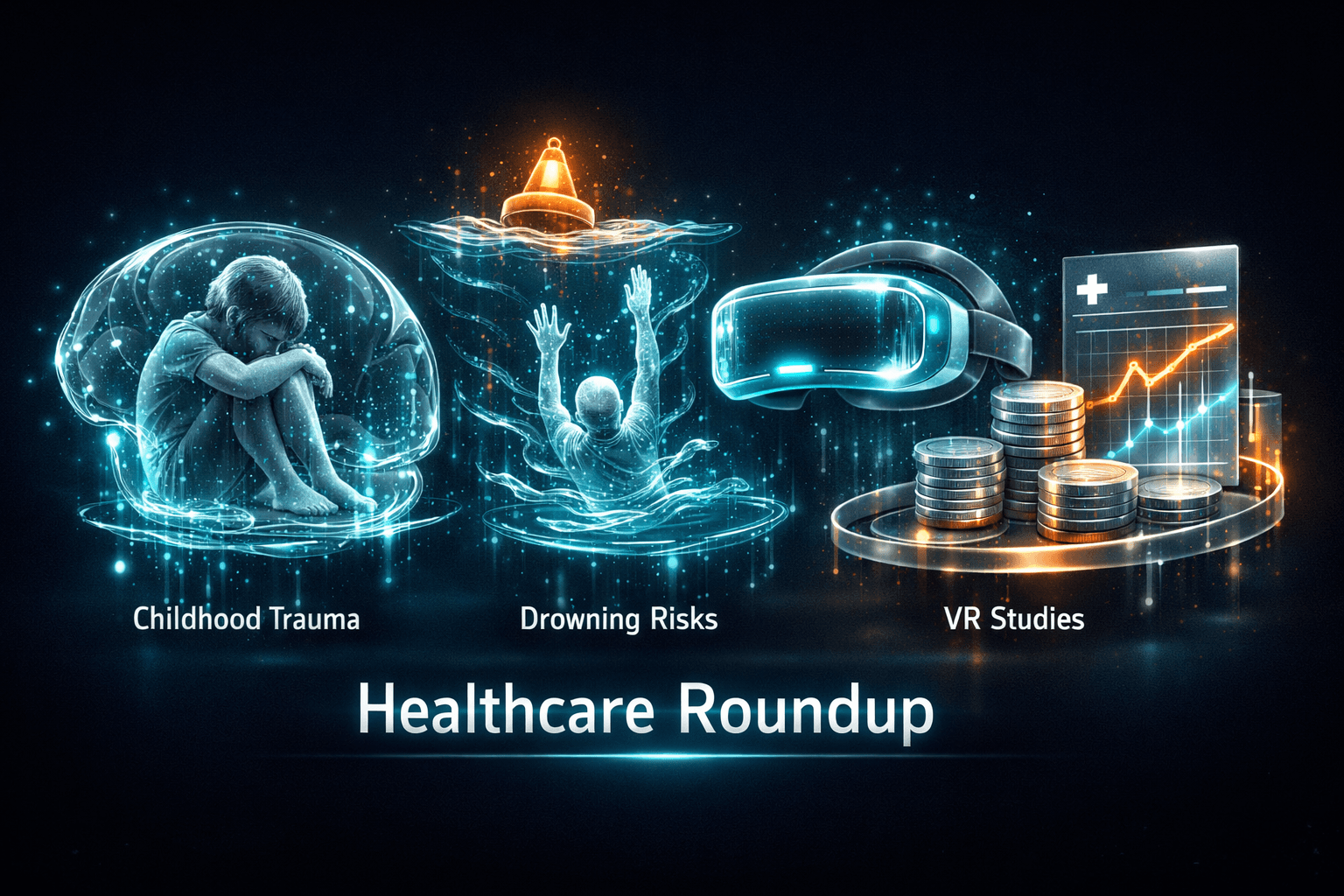
- Research credibility: A large study led by King's College London published in Nature Mental Health found that memories of childhood maltreatment remain stable, which reinforces the scientific basis for long-term mental-health interventions.
- Public-health alert: Medical groups are warning that more U.S. children have been drowning in recent years, a trend that can affect demand for pediatric emergency care, safety products, and public-education programs.
- Medtech and VR interest: A VR-based psychophysical study from Toyohashi University shows new ways to study material perception, underscoring opportunities for healthcare R&D using immersive tech and human-machine interfaces.
- Policy and costs: KFF Health News coverage of healthcare costs and the political fallout around a canceled ICE facility keeps affordability and access in the headlines, likely drawing attention from payers and policy-sensitive names.
Key Developments
New study: childhood trauma memories are largely stable
A King's College London-led paper in Nature Mental Health reports that memories of childhood maltreatment tend to remain consistent over time, while memories reported during childhood are less stable than those reported in adulthood. The finding strengthens the evidence base clinicians use when assessing long-term mental-health treatment needs and could inform clinical guidelines and long-term care planning.
For you as an investor, that means ongoing demand for evidence-based mental-health services and potential tailwinds for firms focused on trauma-informed care and long-term psychiatric support. How will payers and health systems respond to persistent clinical needs?
Child drowning alert raises prevention and care questions
Medical Xpress and clinical groups warned that child drownings have increased in recent years and urged more families to prepare. The coverage is framed as a public-health alarm and a call for better prevention, training, and emergency-response readiness.
This is a wake-up call for providers of pediatric emergency services, training programs in CPR and water safety, and companies making safety equipment. You should watch for public-health campaigns or local policy moves that could influence demand for related services.
VR study on material perception highlights R&D crossover
Researchers in Japan used virtual reality to study how humans change viewpoint and manipulate objects to discriminate material properties. The work is technical but relevant for medical imaging, rehabilitation therapies, and human-computer interaction research.
For healthcare investors, the takeaway is the steady cross-pollination between consumer tech and medtech. VR and perception research could seed product features or partnerships with clinical research groups, but widespread commercial impact will likely take time.
What to Watch
As markets remain closed through the holiday weekend, here's what to track before trading resumes on Monday, July 6.
- Policy signals: Watch statements from health policy groups and local governments about pediatric safety programs and prevention funding. Policy shifts can affect reimbursement and grant funding for related services.
- Clinical guidance and payer response: Monitor updates from major clinical bodies on trauma-informed care, and any payer coverage statements that follow new consensus or guidelines.
- Medtech and VR partnerships: Look for announcements of collaborations between healthcare providers and tech firms using VR and immersive tools. Those deals can be early indicators of commercialization pathways.
- Quarterly reports and conference calendars: Several healthcare companies and ETFs will report over the coming weeks. You'll want to contrast company fundamentals with these sector headlines to assess demand trends.
- Reputational and political risk: Coverage on healthcare costs and the canceled ICE facility keeps political attention on access and affordability. Are policymakers likely to propose new measures that affect providers, insurers, or drug pricing?
Bottom Line
- Mixed signals dominate: rigorous research and urgent public-health warnings are both in the headlines, producing a neutral near-term outlook for sector investors.
- Research supports long-term mental-health care demand, particularly for trauma-informed services and chronic treatment pathways.
- Public-health concerns about child drownings could boost prevention programs and training services, though commercial impacts will vary by region.
- Cross-sector R&D, including VR, remains an incremental positive for medtech innovation but is not an immediate revenue driver for most clinical companies.
- Keep an eye on policy and payer updates over the coming weeks, as political debate on costs could create headwinds or spur funding for targeted programs.
FAQ
Q: How should I interpret these research headlines for healthcare investments? A: These stories provide context rather than immediate trading signals. Analysts note that research outcomes can inform long-term demand for services and products, but commercial effects usually lag scientific publication.
Q: Will public-health alerts about drownings change revenue for healthcare companies quickly? A: Not usually. Such alerts tend to prompt prevention campaigns and local funding changes first. You should monitor municipal budgets and nonprofit grant activity for early signs of spending shifts.
Q: Should I expect VR research to drive medtech stock moves right away? A: VR studies highlight technical promise, but commercialization and reimbursement take time. Data suggests partnerships and pilot programs are the near-term milestones to watch.