The Big Picture
The standout development is regulatory progress for Moderna, as an FDA advisory committee gave unanimous support to the company’s mRNA influenza candidate, a move that helps complete a turnaround for a program the agency declined to review earlier this year. That vote, reported June 18, is the most market-facing item and it matters because advisory backing often clears the way for final agency action.
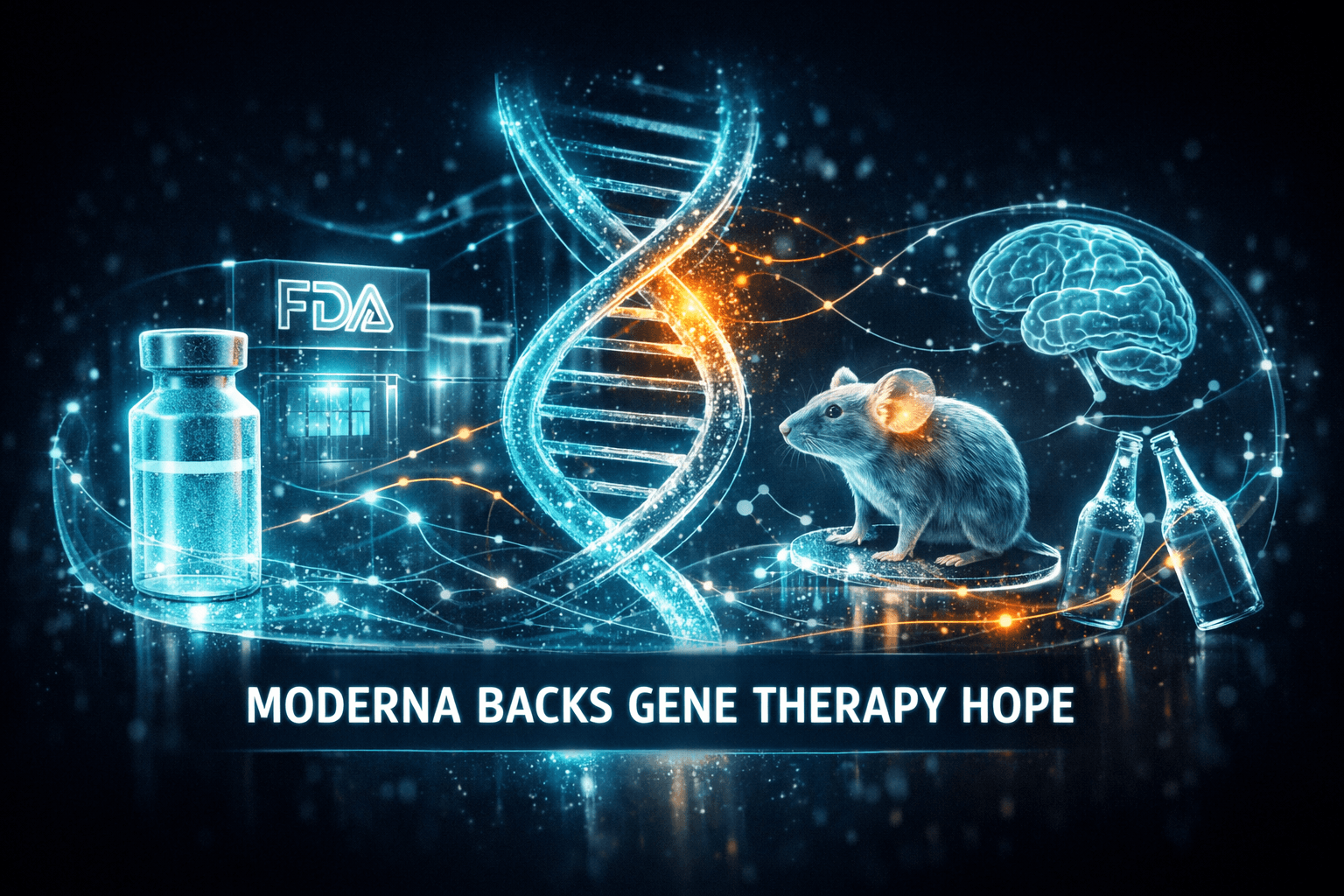
On the research front, promising preclinical gene therapy work in fragile X syndrome and fresh population and biomarker studies on alcohol and mental disorders point to ongoing scientific momentum across therapeutics and public health. As you read on, think about how near-term regulatory milestones and longer-term R&D advances could shape sector risk and opportunity heading into the next trading week.
Market Highlights
US markets were closed on Saturday, June 20. The last trading day was Thursday, June 18 and investors are positioned heading into the long weekend before markets reopen Monday, June 22.
- Moderna, $MRNA, received unanimous support from an FDA advisory panel for its mRNA influenza vaccine, a key procedural hurdle reported June 18, helping the program recover after an earlier review pause.
- Biotech R&D momentum: a UC Riverside-led team reported that a gene therapy restored normal brain activity and improved behavior in a fragile X mouse model, an encouraging preclinical milestone for a genetically defined disorder.
- New population research flagged extensive harms tied to alcohol use, identifying more than 60 diseases fully attributable to alcohol, and another study highlighted three genes that may link six mental disorders through shared biomarkers, both reported June 20.
- Industry talent moves continued, with STAT’s roundup noting hires and departures at major pharma names including Bristol, Novartis, Pfizer, Moderna, and AstraZeneca, a sign of ongoing strategic reshuffling in the sector.
Key Developments
Moderna’s mRNA flu shot wins FDA panel support
An FDA advisory committee gave unanimous backing to Moderna’s mRNA influenza vaccine at a June 18 meeting, according to BioPharma Dive. The endorsement helps position Moderna to finish a turnaround for a shot the agency declined to review earlier this year, and it shortens the path to potential regulatory clearance, subject to final FDA action.
What should you watch next, and when? Analysts will be focused on the formal FDA decision timeline and any labeling or manufacturing commitments that follow the advisory vote, since those details will shape commercial prospects and uptake.
Fragile X deficits in mice respond to gene therapy
Researchers at the University of California, Riverside reported that a replacement gene therapy restored brain activity and improved behavior in a fragile X mouse model, results published in Molecular Therapy Nucleic Acids. The work addresses the underlying protein deficiency rather than only treating symptoms.
This is a preclinical step, but it’s a step in the right direction for precision neurology. You should note that translation from mice to humans often takes years and faces safety and dosing hurdles, though the result strengthens the case for continued investment in genetic approaches to neurodevelopmental disorders.
New studies on alcohol harms and shared biomarkers in mental disorders
A new review using the World Health Organization’s disease classification found over 60 diseases are fully attributable to alcohol consumption, and it stressed that damage can slow or reverse with reduced use. At the same time, a separate study identified three genes that may act as shared biomarkers across six neuropsychiatric and neurodevelopmental conditions, including schizophrenia, bipolar disorder, ADHD, and autism.
These research items reinforce both public health risk narratives and the search for cross-cutting biological targets. For companies focused on addiction, mental health, and diagnostics, the findings could influence R&D priorities and payer conversations over time.
What to Watch
Regulatory milestones and clinical readouts will drive near-term sentiment. Keep an eye on any formal FDA decision or labeling guidance that follows the advisory committee’s unanimous vote for $MRNA, and watch for manufacturer comments on distribution and expected timelines.
For R&D investors, monitor announcements from gene therapy developers planning human trials in fragile X or related indications, and track collaborations or licensing deals that might accelerate clinical translation. How will early-stage positive data affect partnership activity, and will larger pharma players step in?
Risk factors to monitor include regulatory setbacks, clinical trial translation from animals to humans, and safety or manufacturing concerns for complex biologics. Also, evolving public health research on alcohol and shared psychiatric biomarkers could shift policy, reimbursement, or demand for certain therapeutics over time.
Bottom Line
- Moderna’s unanimous FDA panel support is the most market-relevant development heading into the next trading week, and analysts note it reduces regulatory uncertainty for the mRNA flu program.
- Preclinical success in fragile X gene therapy adds to the sector’s long-term pipeline promise, though clinical translation remains the key test.
- New population and biomarker studies on alcohol harms and mental disorders highlight shifting scientific and policy conversations that may affect drug development priorities.
- Industry hiring and reshuffling reported by STAT suggest companies are positioning for strategic growth, which could accelerate partnerships or M&A activity.
- Data and regulatory timelines, not headlines, should guide your watchlist as markets reopen Monday, June 22; analysts and data suggest momentum, but risks remain.
FAQ Section
Q: What does the FDA panel vote mean for Moderna and its mRNA flu vaccine? A: The unanimous advisory vote is a favorable procedural outcome that typically helps pave the way for final FDA review, though the agency’s formal decision and any accompanying labeling or manufacturing conditions will determine the commercial path.
Q: Should I expect fragile X gene therapy to be available soon? A: The mouse-model results are promising, but you should remember that preclinical success does not guarantee human efficacy or approval, and clinical trials and safety testing will take time.
Q: How could the alcohol and biomarker studies affect healthcare companies? A: The alcohol review may increase focus on prevention and addiction therapies, while shared biomarker findings could steer investment toward cross-disorder diagnostics and treatments, influencing long-term R&D priorities.
Note: This summary is for informational purposes only. Analysts note the developments above, and the content does not constitute personalized investment advice.