The Big Picture
Today’s healthcare headlines delivered a mixed bag for investors, with regulatory wins and fresh venture capital clashing with an important clinical failure and widening access concerns. You saw both momentum in innovation and reminders of systemic headwinds, and that balance will shape trading into tomorrow.
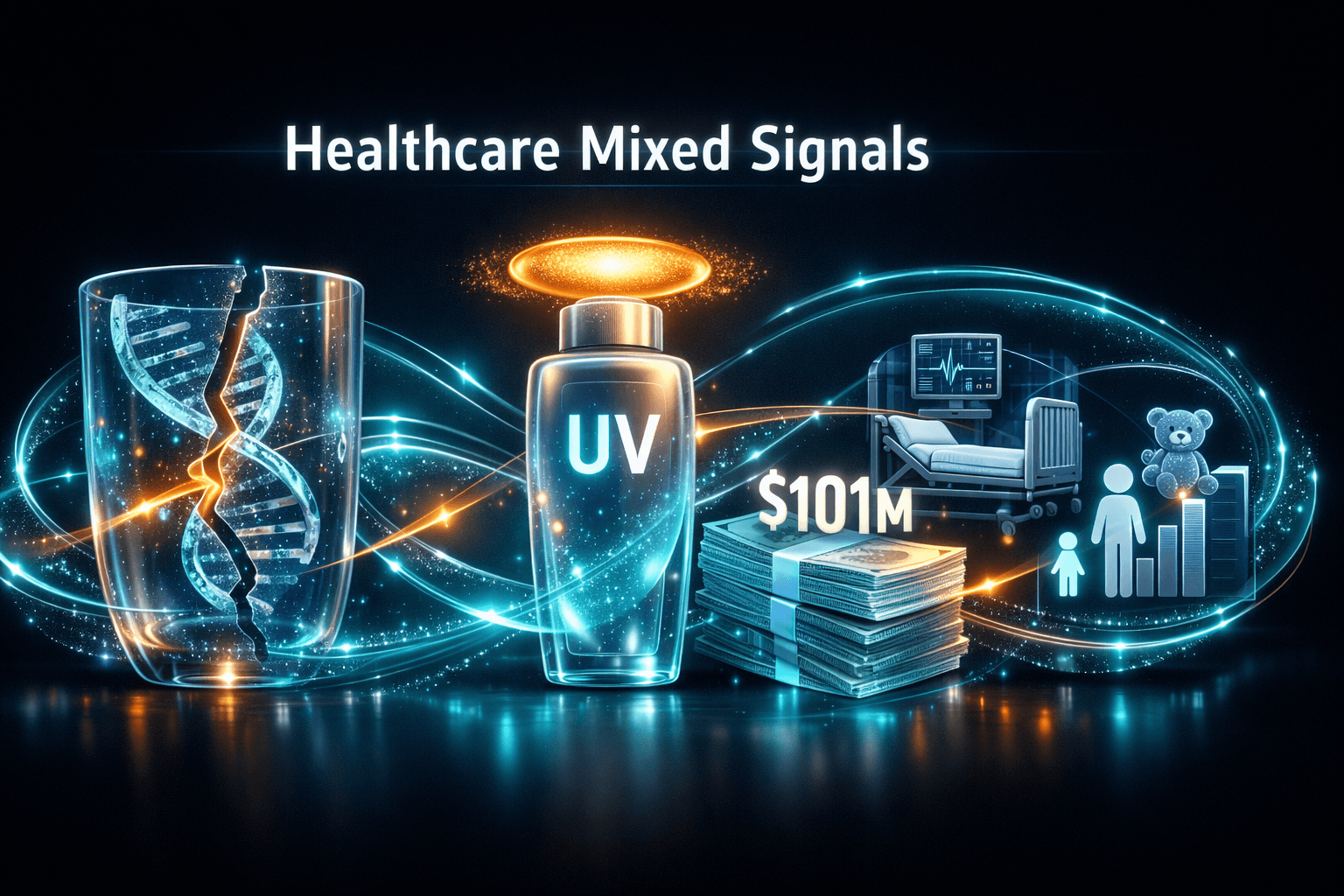
The most impactful development for market-watchers was the clinical setback from Sanofi, a major drug developer, which adds uncertainty to an asset the company had viewed as a potential blockbuster. At the same time, the FDA’s approval of a long-used sunscreen filter and a $101 million biotech startup raise offered counterweights that matter for niche subsegments of the sector.
Market Highlights
Here are the quick facts and notable movers you should note from today’s flow.
- Sanofi ($SNY): Announced it stopped a late-stage trial for an immune drug, a negative readout that clouds the therapy’s blockbuster prospects and pressured sentiment around R&D-exposed names.
- New biotech funding: Ethyreal launched with $101 million to pursue novel immune-disease programs, signaling continued venture interest in differentiated immunology plays.
- FDA activity: The agency approved bemotrizinol, a UV filter widely used abroad, a win for sunscreen and skin-care makers and potentially for consumer-facing names tied to sun-care products.
- Policy and access stories: Reports flagged low rates of inpatient rehab after stroke and brain injury, and nearly 60 Planned Parenthood clinic closures tied to funding rules, highlighting persistent access and utilization pressures.
Key Developments
Sanofi halts immune drug trial
Sanofi’s decision to stop a mid-to-late-stage immune trial is the clearest market-moving item of the day. The failure follows several mixed or negative readouts and raises questions about the commercial potential and development timeline for the candidate.
For you, this means increased near-term volatility for larger-cap drug developers with similar pipelines, and renewed focus on R&D execution across peers. Analysts note program risk as a key driver of valuation in the space, so expect continued scrutiny of trial design and readout cadence.
FDA approves bemotrizinol, restoring sunscreen options
The FDA granted approval to bemotrizinol, a UV filter long available in Europe and Asia. Industry groups and health advocates hope the move can help rebuild consumer confidence in sun protection products and expand ingredient choice for manufacturers.
This is relevant to consumer-health and dermatology-exposed names, and it could shift product innovation and marketing strategies in the coming quarters. You may see incremental revenue tailwinds for sun-care focused firms, though broader consumer demand trends will still matter.
Access shortfalls and public health pressure
Two studies drew attention to systemic care gaps and long-term public health strain. One found fewer than one in four stroke patients and fewer than one in seven traumatic brain injury patients receive inpatient rehabilitation. Another linked human-caused warming with childhood stunting in Africa, underscoring climate-driven health burdens.
Those findings dovetail with reports that nearly 60 Planned Parenthood clinics closed or consolidated amid funding restrictions. Together these items highlight policy and access risks that can shape utilization, reimbursement debates, and long-term demand for services. How will payers and providers respond, and what does that mean for cost trends you follow?
What to Watch
Here are the catalysts and risks that should be on your radar heading into tomorrow and the rest of the week.
- Pipeline readouts and analyst reactions: Expect follow-up commentary and potential analyst revisions after the Sanofi trial stop. Watch conference calls and press statements for management’s next steps.
- FDA and regulatory signals: Bemotrizinol’s approval may prompt label and product announcements from consumer-health companies. Track product launch timelines and marketing plans that could affect revenue recognition.
- Policy and access developments: Monitoring federal and state-level funding decisions will be important, particularly for providers and community clinics affected by Medicaid and Title X rules.
- Biotech funding trends: Ethyreal’s $101 million raise is a reminder that private capital remains available for differentiated science. Follow similar early-stage financings to gauge where breakthrough bets are concentrating.
- AI and clinical tools scrutiny: Critical reporting on sepsis algorithms and other AI tools suggests regulatory and adoption hurdles remain for digital health solutions, so watch for guidance updates and vendor disclosures.
Bottom Line
- The sector shows mixed signals today, with one major clinical failure offset by regulatory and funding positives; watch pipeline news closely.
- Access and public health stories underscore long-term demand and policy risk that could influence provider and payer economics.
- Consumer-health names tied to sun protection may get a modest boost from bemotrizinol’s approval, though broader market forces will determine impact.
- Private capital remains active in immunology, suggesting innovation momentum even as large-cap R&D risks persist.
- Keep an eye on analyst commentary and management guidance updates tomorrow, they will shape short-term flows and volatility.
Investment disclaimer: This article is for informational purposes only. It does not constitute personalized investment advice or a recommendation to buy or sell any security. Analysts note risks and catalysts described here for context only.
FAQ Section
Q: What does Sanofi’s trial stop mean for its stock and peers? A: A halted trial increases near-term uncertainty for the program and can prompt analyst revisions, but impacts vary by company depending on pipeline concentration and cash runway.
Q: Will the FDA approval of bemotrizinol drive big revenue gains for consumer-health firms? A: The approval expands ingredient options and may help marketing, yet material revenue effects depend on product launches, distribution, and consumer demand.
Q: How should you monitor access and policy stories like clinic closures and rehab shortfalls? A: Track funding decisions, reimbursement updates, and provider capacity data, since those factors influence utilization trends and longer-term revenue for providers.