The Big Picture
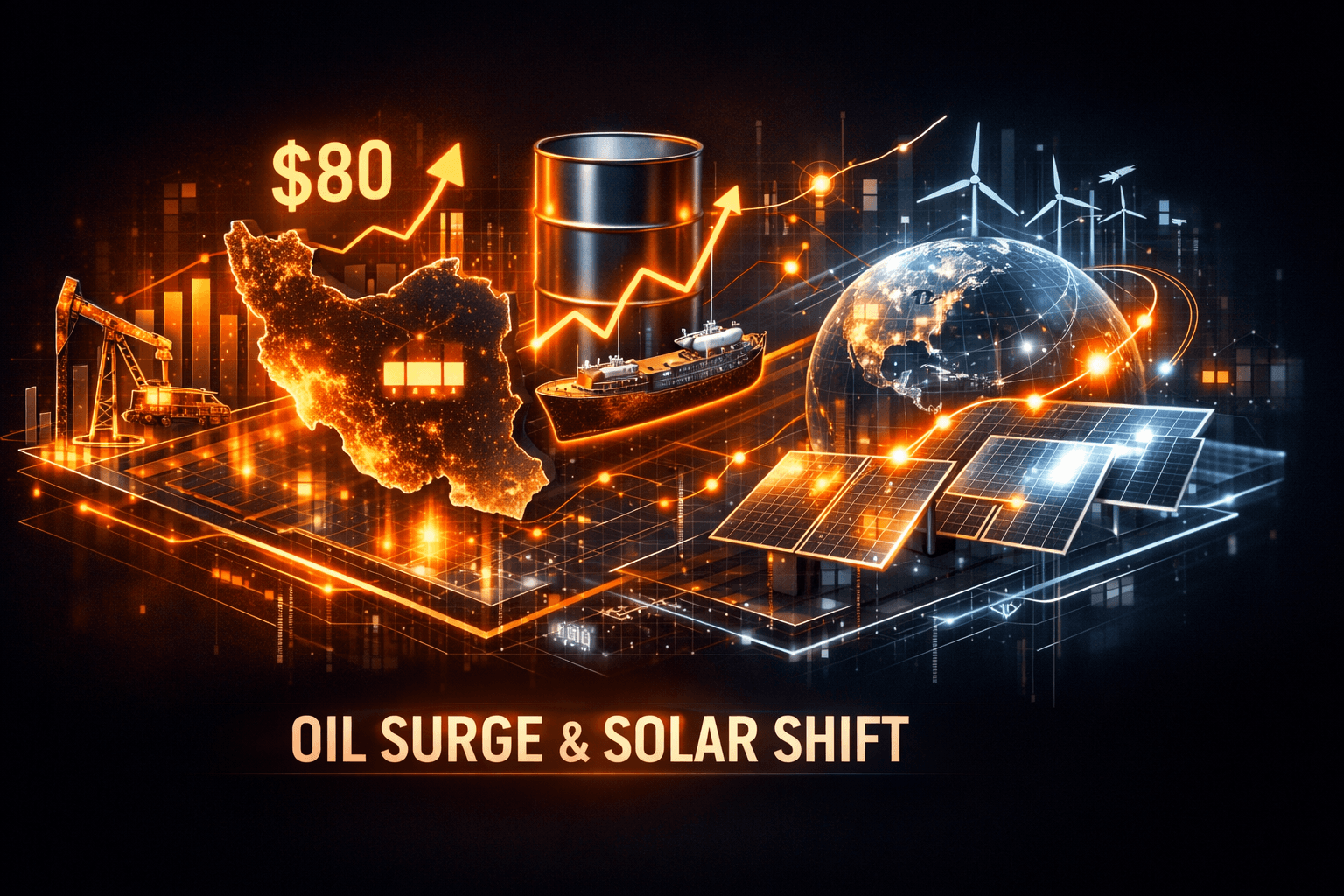
Geopolitical jitters took center stage on Jun 19, pushing oil prices back up and reasserting energy security as a policy priority for many nations. Brent crude climbed above $80 per barrel in early Asian trade while West Texas Intermediate reached about $76.28, reflecting renewed uncertainty after U.S.-Iran peace talks were postponed.
U.S. markets are closed for Juneteenth, with the last trading day being Thursday, June 18 and trading resuming Monday, June 22. You should treat these headlines as drivers of direction into the long weekend rather than intraday moves, and keep an eye on how inventories, regional deals, and solar supply signals play out when markets reopen.
Market Highlights
Quick facts and figures to watch as you review your portfolio over the break.
- Brent crude climbed back above $80 per barrel in early Asian trade on Jun 19, while WTI moved to about $76.28 per barrel, according to OilPrice reporting.
- OPEC says policy shifts toward energy security are supporting sustained oil demand, reinforcing bullish sentiment for producers and holders of energy assets.
- Repsol signed a deal with Venezuela's Hydrocarbons Ministry and PdVSA to assess development near Lake Maracaibo, expanding its regional footprint, ticker noted as $REP for coverage references.
- Solar: Search4Solar's CEO warns the era of unlimited cheap inventory is ending, while Huawei unveiled its FusionSolar9.0 solution aimed at lowering LCOE for utility-scale projects.
- EV infrastructure: Volvo's move to simplify public charging for EX90 drivers is a practical boost for adoption, noted under $VOLV coverage.
Key Developments
Geopolitics and oil prices
The postponement of U.S.-Iran talks and renewed clashes in Lebanon raised short-term risk premiums, lifting futures and prompting buyers to revisit energy-security plans. OPEC's commentary that energy security and affordability are shaping policy underlines a longer-term backdrop where demand looks sustained, not fleeting.
What does that mean for you? If you follow energy markets, expect volatility related to diplomatic developments and shipping routes, especially as countries like the Philippines seek more permanent supply lines with Russia to plug shortfalls.
Regional supply shifts: Philippines, India, and Venezuela
The Philippines is exploring a long-term oil supply deal with Russia after relying on ad-hoc spot cargoes during the supply crunch. At the same time India is not rushing back to Middle Eastern crude despite the Strait of Hormuz reopening, thanks to two months of on-hand volumes. These moves show buyers are prioritizing supply security and flexibility over immediate price moves.
Repsol's new Venezuela assessment adds another angle. Regional deals like these could alter trade flows gradually, and they illustrate how national policy can shape commercial contracts beyond spot-market dynamics.
Solar supply rebalancing and new tech
In solar, three linked stories point to a market in transition. Search4Solar's CEO says oversupply that drove aggressive price declines is fading as inventories lean and producers act more discipline. Huawei's FusionSolar9.0 is pitched to lower lifecycle LCOE for utility projects, which could raise project-level returns if deployed at scale.
However, OPIS reports China wafer output is set to rise even amid weak demand, which keeps a cap on prices and margins for some suppliers. So you'll see pockets of strength in technology-led efficiency gains while raw-material and upstream oversupply could keep pressure on some manufacturers.
What to Watch
Heading into the long weekend, monitor these catalysts and risks. You want to stay aware of evolving geopolitical signals because they can reset oil risk premia quickly. Will U.S.-Iran talks be rescheduled? That timing will matter for market direction.
On the supply side, watch China wafer and module production updates, vendor commentary on inventories, and Huawei's initial deployments for evidence the LCOE gains are real. Also track OPEC statements and national procurement moves, such as the Philippines' talks with Russia and Indian refiners' buying decisions.
Finally, keep an eye on practical demand drivers like EV charging access. Volvo's smoother public charging experience may seem small but it chips away at friction for drivers, and that can support electricity demand from transport over time.
Bottom Line
- Geopolitical developments and postponed U.S.-Iran talks lifted oil prices above $80 per barrel, reinforcing energy-security themes that favor producers and long-term supply contracts.
- Regional deal-making is rising, from the Philippines exploring Russian supply to Repsol expanding in Venezuela, indicating shifting trade flows and buyer diversification.
- Solar markets are showing mixed signals, with technology-led LCOE gains from Huawei and tighter procurement on one side and rising wafer output in China on the other.
- Practical EV infrastructure improvements, like Volvo's simplified public charging for EX90 drivers, are incremental but supportive of electrification demand.
- With U.S. markets closed for Juneteenth, you should use the long weekend to digest these developments and prepare for potential volatility when trading resumes on Monday, June 22.
FAQ Section
Q: Will the oil price rise continue over the weekend? A: Prices moved higher on Jun 19 after peace talks were postponed, suggesting short-term upside, but outcomes hinge on diplomatic developments and OPEC signals when markets reopen.
Q: How will solar suppliers be affected by shifting inventory dynamics? A: Data suggests inventory discipline and tech gains could support higher module pricing in pockets, yet rising wafer output from China may keep pressure on upstream margins.
Q: Does Volvo's charging update matter for energy demand? A: It reduces friction for EV users and could modestly boost electricity demand over time, but this is a gradual effect rather than an immediate market mover.