The Big Picture
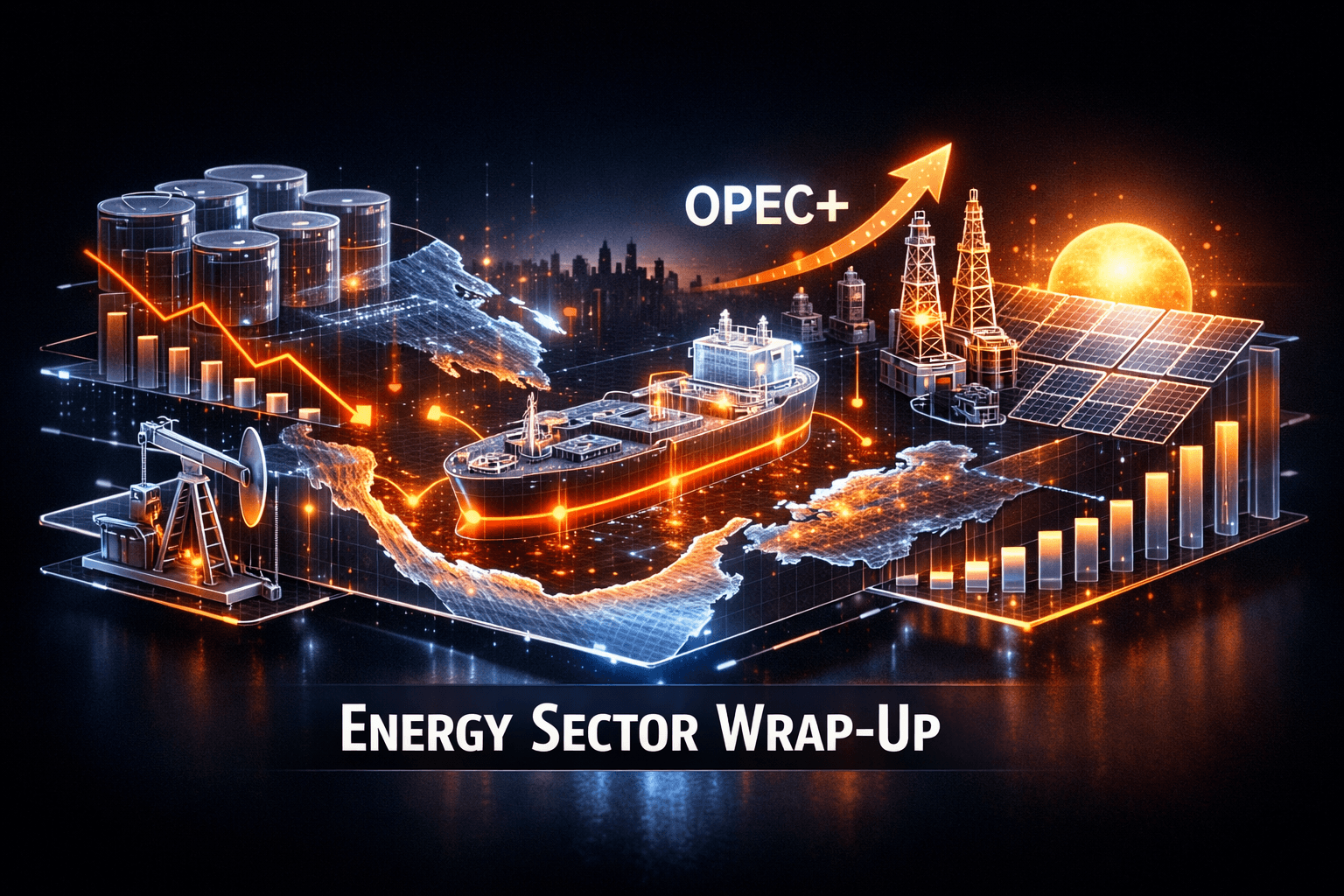
Today produced a patchwork of signals that left energy markets in a wait and see mood. U.S. crude stocks fell by more than 4.0 million barrels, a near-term bullish datapoint, even as delegates said OPEC+ plans continued quota increases that suggest higher output ahead.
At the same time, geopolitical friction eased with reports of Chinese tankers resuming transit through the Strait of Hormuz, and Canada signaled it may keep the Trans Mountain pipeline in public hands. What does that mean for you and your positions in energy exposure? It means tomorrow will be about balancing tightness in U.S. inventories against incremental supply and policy shifts globally.
Market Highlights
Here are the fast facts you can act on quickly.
- U.S. crude inventories, excluding the SPR, stood at 452.9 million barrels on May 8, down more than 4.0 million barrels week on week, according to the EIA.
- OPEC+ delegates said the group is planning to complete a series of quota hikes over the next few months, signaling higher official output targets.
- Canada’s government is reconsidering privatizing the Trans Mountain pipeline, a strategic asset that moves Canadian crude to the West Coast.
- Chinese vessels, roughly 30 tankers by state media counts, were reported allowed to transit the Strait of Hormuz under Iran coordination, easing a key shipping risk.
- Renewables: India added a record 15.3 GW of solar capacity in Q1 2026, up 143% year over year, per Mercom India.
- EV and batteries: XPeng reported exports of 6,006 vehicles in April, up 62% year over year, and is reportedly in talks to buy a Volkswagen plant in Europe, $XPEV.
Key Developments
Crude Stocks Fall Even as OPEC+ Plans More Supply
The EIA reported U.S. crude stocks dropped by over 4.0 million barrels to 452.9 million barrels. That draw typically supports near-term prices because it tightens domestic supply metrics. At the same time delegates from OPEC+ said the group plans to complete quota hikes in coming months, a development that points toward rising official supply volumes. Analysts note this sets up competing forces for oil prices into the summer, with inventories and geopolitical flows on one side and higher sanctioned or agreed output on the other.
Geopolitics and Transit: Chinese Tankers and Hormuz
State media in Iran reported that about 30 Chinese vessels have been allowed safe passage through the Strait of Hormuz after public statements from U.S. and Chinese leaders emphasizing the need for free flows. This reduces an immediate shipping premium tied to transit risks. For you, that means one less near-term shock to freight and crude availability, but it's not a blanket resolution of regional risk.
Canada, Pipelines and Energy Security
Officials in Canada are reconsidering plans to sell the Trans Mountain pipeline, saying market conditions have changed and domestic control may better serve energy security. Keeping Trans Mountain in public hands would affect how Canadian crude reaches tidewater and could influence export volumes to Asia and U.S. refineries. If you follow North American midstream exposure, this is a governance and policy development worth monitoring closely.
Renewables Momentum and Regulatory Limits
India hit a record quarterly solar build of 15.3 GW, a 143% year on year jump, signaling accelerating demand for panels, inverters and grid upgrades. Yet France highlighted persistent regulatory and organizational hurdles for collective solar self-consumption, showing that growth is uneven and policy dependent. You should expect strong growth in some markets and friction in others, creating winners and losers across the supply chain.
What to Watch
Tomorrow and the coming weeks will hinge on a few clear catalysts. First, watch weekly inventory updates for follow-through on the EIA draw. Will stocks continue to tighten, or will OPEC+ and other producers offset the decline?
Second, monitor OPEC+ communications and any technical details about the quota hikes. Markets will parse timing and who moves production. Third, keep an eye on pipeline policy in Canada for any formal announcements about Trans Mountain’s ownership and implications for export flows.
On the demand and transition side, track India’s tender schedules and solar procurement plans, and watch European regulatory developments around collective self-consumption in France. Finally, check EV production localization moves such as $XPEV talks in Europe, since more local EV output will shape electricity demand and battery supply chains over time.
Bottom Line
- Energy news today was mixed, leaving a neutral tilt: U.S. inventories fell, supporting prices, while OPEC+ quota hikes and faster organized supply could offset that tightness.
- Geopolitical risk eased slightly with reported Chinese tanker passages through Hormuz, reducing one source of premium in oil markets.
- Canada’s reconsideration of selling Trans Mountain raises policy risk for midstream ownership and could influence West Coast export dynamics.
- Renewables see big wins and roadblocks, exemplified by India’s record 15.3 GW solar quarter and France’s regulatory friction for collective projects.
- Analysts note these are competing forces, so you’ll want to be selective and watch inventory, OPEC+ moves, and regional policy announcements closely. This content is for informational purposes only and not personalized investment advice.
FAQ Section
Q: How does a 4 million barrel draw in U.S. crude stocks affect prices? A: A sizable weekly draw tends to support near-term prices because it signals tighter domestic availability, but other factors like OPEC+ output plans and global shipping flows also matter.
Q: What does Canada keeping Trans Mountain mean for crude flows? A: If the pipeline remains state-owned, policy and export priorities may shift, which could alter how much Canadian crude reaches tidewater and overseas markets.
Q: Should the Hormuz transit reports calm oil market volatility? A: They ease one immediate shipping risk, but broader geopolitical and supply policy developments mean volatility can still return, so stay alert to new developments.
Remember, you don’t need to react to every headline, but you do need to monitor the key data points and policy announcements outlined above to assess risk in your energy exposure.