The Big Picture
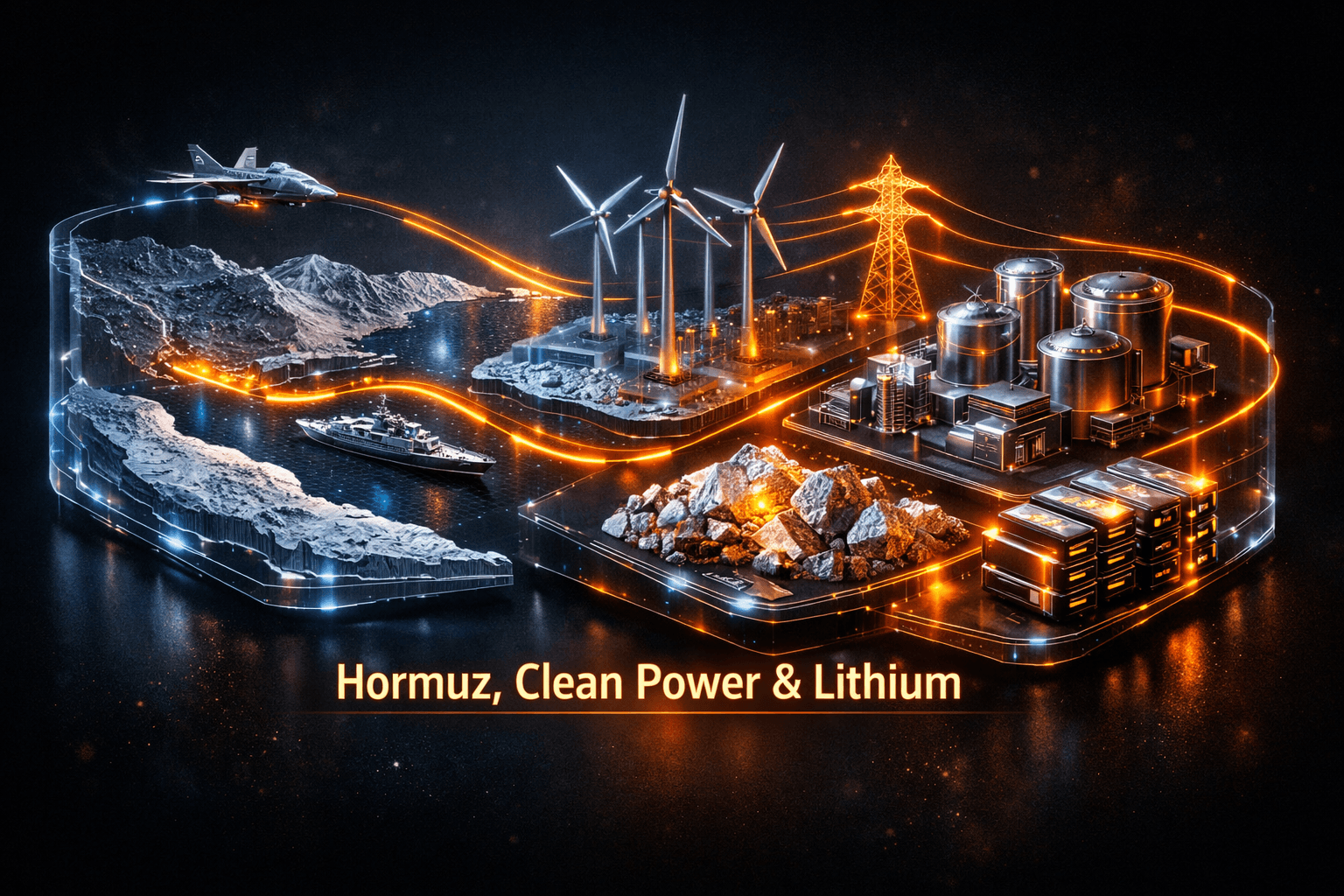
The biggest development over the weekend is geopolitical, not technological: Iran's Revolutionary Guard said it has closed the Strait of Hormuz again, reversing a brief reopening announced Friday. That move reintroduces a major supply-risk narrative for oil markets even as other headlines point to durable momentum in clean energy and battery supply chains.
Why does this matter to you? Energy is being pulled in two directions right now, with short-term price and supply risk tied to the Gulf, while structural gains in renewables, lithium refining and hydrogen economics are reshaping medium-term demand and investment patterns.
Market Highlights
Here are the quick facts and figures retail investors should have on their radar heading into the long weekend. Markets were closed Saturday, April 18, so price references use the last trading day.
- Strait of Hormuz: Iran's IRGC announced closure on Saturday, contradicting a Friday claim of reopening. The declaration raises shipping and insurance risks for crude flows through the Gulf.
- Lithium refining: Mangrove Lithium started a commercial electrochemical lithium refinery in Delta, British Columbia, with capacity of about 1,000 tonnes per year, a first for North America.
- Wind power: Pattern Energy's SunZia project completed turbine installation and began generating power after installing 242 turbines, marking one of the largest clean-energy additions in the U.S.
- EV incentives: Automakers are offering rebates and discounts up to $10,000 on select EVs, a sign of aggressive retail promotions amid shifting demand dynamics.
- Fuel outlook: The U.S. EIA raised its fuel price projections for 2026 and 2027, pointing to higher pump prices ahead, a factor that can boost revenues for oil majors such as $XOM and $CVX while pressuring consumers.
- Corporate moves: EagleRock Land LLC filed for an IPO, indicating continued capital markets activity in energy-related assets.
Key Developments
Hormuz closure re-raises oil supply concerns
The IRGC's Saturday announcement that control of the Strait of Hormuz has "returned to its previous state" walks back a Friday reopening claim and directly challenges U.S. statements. The statement increases shipping risk for one of the world's most critical oil chokepoints and could keep volatility elevated for crude, refined fuels and shipping insurance rates.
What does this mean for energy prices and markets? Expect risk premia to be a near-term factor for oil-linked stocks and commodity traders. Analysts note that protracted disruption could tighten seaborne crude flows, but actual price impact will depend on duration and the responses of naval forces and insurers.
Clean-energy scale-up stays on track
Large-scale clean projects kept delivering. Pattern Energy's SunZia, now online after completing 242 turbines, adds material renewable capacity and signals continued buildouts of utility-scale wind in the U.S. That helps long-term power sector decarbonization and grid supply diversity.
Vendors and owners are likely to see steadier revenue streams from operational projects. If you hold or follow listed renewables names linked to large portfolios, this is a reminder that project completions are moving from pipeline to cash flow.
Battery supply and hydrogen economics advance
Mangrove Lithium's electrochemical refinery in British Columbia is notable because it expands North American capability to process lithium feedstock domestically. The 1,000-tonne-per-year plant is small scale today, but it demonstrates the new technology path for refining that can shorten supply chains for EV battery makers.
Meanwhile a University of Naples study finds that levelized hydrogen costs at Mediterranean ports could fall to as low as €2.5 per kilogram using hybrid systems, and €5.7 to €8.6 per kilogram using renewables alone. Those numbers indicate improving competitiveness for hydrogen in industrial and shipping applications, depending on project design and local resources.
What to Watch
Heading into Monday and beyond, there are several catalysts you should track. How long does the Hormuz closure last, and do insurers tighten coverage for Gulf shipments? That's the immediate headline risk for oil and refined fuels.
Also watch for company-level updates and earnings that can re-price renewables and battery-related names. Will follow-on projects to SunZia announce commissioning schedules? Will more lithium processing projects move from pilot to commercial scale?
Keep an eye on macro and policy drivers. The EIA's raised fuel price projections suggest higher pump prices are probable in 2026 and 2027, so monitor CPI and consumer spending data for potential knock-on effects. Finally, watch for updates on EagleRock's IPO filing and any S-1 details that reveal asset quality and capital plans.
Bottom Line
- Geopolitical risk is elevated after Iran's weekend declaration on the Strait of Hormuz, which could keep oil-market volatility higher than normal.
- Structural progress in clean energy and battery supply chains continued, with SunZia coming online and North America gaining a new type of lithium refinery.
- Hydrogen project economics show promise in regional studies, but costs remain project-specific and driven by resource mix and scale.
- EIA upward revisions to fuel price forecasts support a scenario of higher pump prices through 2026 and 2027, a headwind for consumers and a tailwind for producers.
- You're facing a mixed landscape, so analysts note selectivity and monitoring of catalysts will be important going into next week.
FAQ Section
Q: How should I interpret the Strait of Hormuz closure? A: The IRGC statement increases short-term shipping and price risk. Markets will watch duration and naval or diplomatic responses before reassessing supply impacts.
Q: Will the new lithium refinery meaningfully ease EV battery shortages? A: The Mangrove plant is a first commercial electrochemical facility at about 1,000 tonnes per year. It helps diversify supply but is small relative to total battery feedstock needs, so it's an important step rather than a near-term fix.
Q: Does SunZia coming online change the renewables investment case? A: Project completions like SunZia move renewables from pipeline risk to operating assets that generate revenue. That supports longer-term investor confidence in large-scale wind, though project-level performance and power contracts still matter.
Markets were closed on Saturday, April 18, so use these developments to prepare for Monday, April 20. What will you prioritize for your watchlist over the long weekend?