The Big Picture
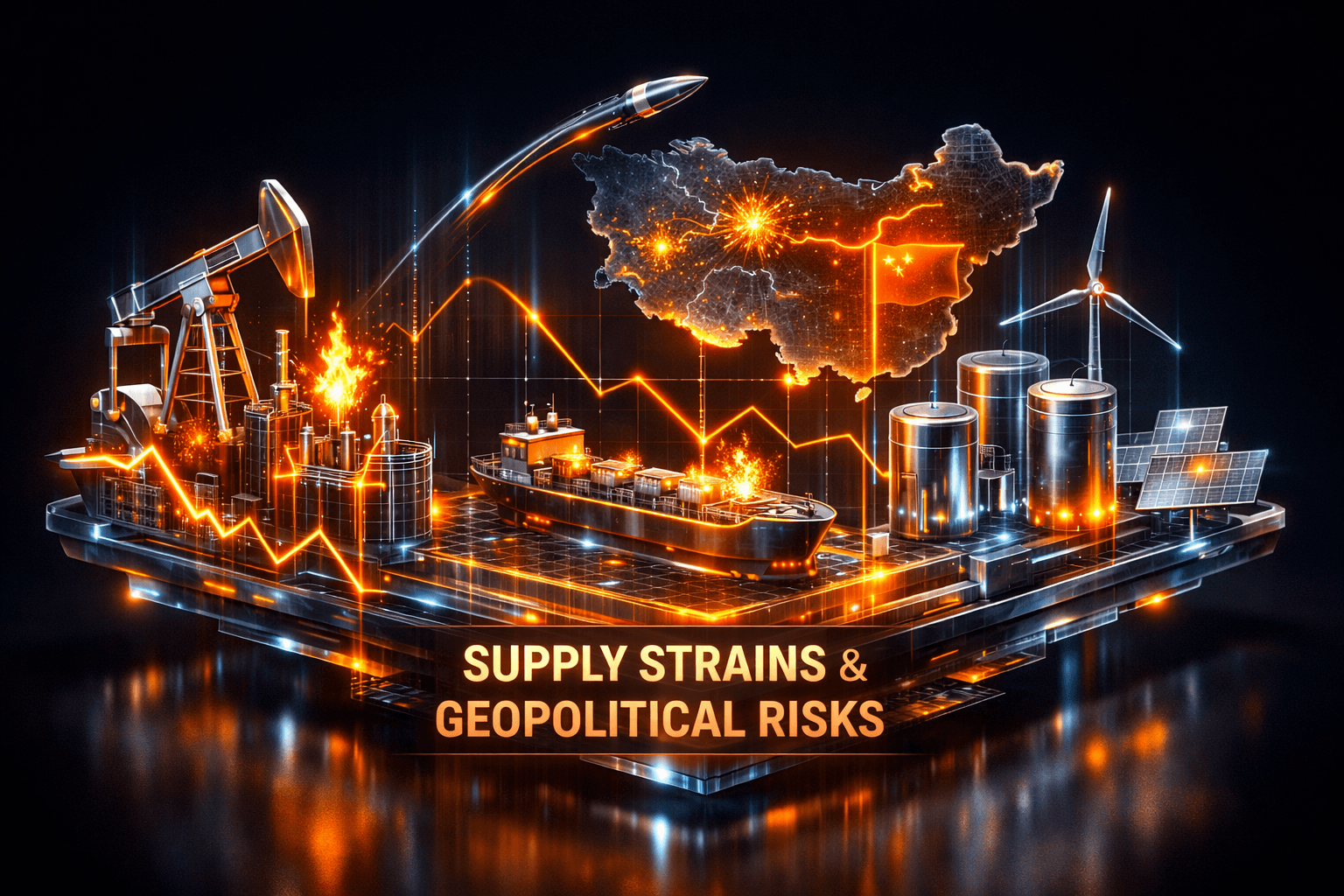
Geopolitical shocks tied to the Iran conflict and disruptions through the Strait of Hormuz are reshaping energy risk profiles, with fresh warnings of jet-fuel shortages and rising import needs in vulnerable producers. Those developments are colliding with fiscal stress in oil-exporting nations and uneven progress in clean-energy adoption.
For you as an investor, that means increased volatility and a heavier premium on supply security and regional exposure. Markets were closed on Sunday, Apr 12, so the relevant price action and settlements are as of Friday, Apr 10, and the next trading day is Monday, Apr 13.
Market Highlights
Key moves and data points investors should note before markets reopen:
- Geopolitics: The Strait of Hormuz disruption has left an outsized risk over global oil and gas flows, with about one fifth of world oil and gas trade normally transiting the waterway.
- Strategic stockpiles: Reporting indicates China has built a strategic crude reserve approaching 1.3 billion barrels, a buffer that experts say is cushioning its domestic market.
- Regional stress: Colombia’s oil and gas output is falling amid regulatory and tax changes, forcing higher imports and straining public finances.
- Jet fuel risk: A European airport group warned of a potential jet-fuel crunch within roughly three weeks if restrictions persist in the Strait of Hormuz.
- Oil markets: Crude settled lower ahead of Iran talks as of Apr 10, reflecting volatile risk pricing rather than a clear trend.
- Electrification and efficiency: Workhorse cut the price of its W56 step van by about $60,000 and secured a 100-unit order from Purolator. Tesla is doing a limited 350-unit Signature Series run of the Model S and X Plaid, with the Model X Signature starting at $159,420.
- Home energy: Commentary on home batteries argues backup power is the least interesting use case, with growing focus on grid services and bill management.
Key Developments
Geopolitical supply risk and market volatility
Recent U.S.-Israeli strikes on Iran and related disruptions have elevated supply risk, contributing to volatile crude pricing and prompting market caution as of Apr 10. Rigzone reports oil settled lower ahead of Iran talks, a sign that traders are oscillating between supply concerns and hopes for diplomacy.
What does this mean for you? Higher headline risk can translate into larger price swings for oil and refined fuels, and analysts note downstream shortages can surface quickly. Keep a close eye on diplomatic developments and shipping reports for the next few sessions.
Strait of Hormuz shocks, winners and losers
The blockade and disruptions at the Strait of Hormuz are altering trade flows. One OilPrice piece argues China is reaping a strategic advantage, both by stockpiling crude and accelerating cleaner energy investments. That shift could change regional import patterns and long term demand for certain products.
Investors should consider how shifting trade routes and national stockpiles will affect global refiners and trading hubs. Could some markets face structural tightness while others see relief? The balance will matter for margins and logistics costs.
Regional production pain and downstream stress
Colombia is highlighted as a case where domestic policy choices are driving output declines and higher import dependence. Combined with a European airport group warning of a jet-fuel crunch in about three weeks, the stories point to near-term supply tightness for refined products.
These developments can pressure refining margins in affected regions and raise the odds of localized price spikes. For your portfolio, sector exposure to refiners, fuel storage, and logistics could show differentiated outcomes depending on geography.
Electrification and distributed energy gains traction
On the cleaner-energy front, electrification signals remain positive but don’t erase near-term fossil-fuel stress. Workhorse lowered W56 pricing by roughly $60,000 and booked a 100-unit order from Purolator, a sign that higher diesel prices are accelerating fleet electrification.
Meanwhile, home-storage debate is shifting from outage insurance to grid services and bill management. Tesla’s limited Signature Series for its Plaid models is a niche product, but it underscores continued premium demand in EVs. These threads suggest durable structural demand for electrification even as oil markets stay tight.
What to Watch
Focus on catalysts that could swing market sentiment when U.S. markets reopen on Monday:
- Diplomacy: Iran-related talks and any ceasefire updates, which analysts note can quickly reshape risk premia in oil.
- Strait of Hormuz status: Shipping data and statements from regional authorities. Will flows normalize or remain restricted?
- Refined fuels: Weekly fuel stock reports and regional jet-fuel inventories, especially in Europe, where a crunch was warned within weeks.
- Corporate signals: Orders and pricing moves from EV and fleet suppliers such as $WKHS and $TSLA, which indicate how fast electrification is accelerating in response to fuel costs.
- Emerging market stress: Fiscal and production updates from countries like Colombia, where output declines can shift export balances.
How should you position for this environment? That depends on your time frame and risk tolerance. Stay informed and watch logistics and inventory data closely.
Bottom Line
- Geopolitical conflicts have tilted the energy outlook toward higher short-term supply risk and volatility.
- China’s large strategic stockpile and potential demand shifts are reshaping global market dynamics.
- Regional shortages, notably possible jet-fuel tightness in Europe and declining Colombian output, increase the chance of localized price spikes.
- Electrification trends are accelerating in response to higher fuel prices, which provides a structural offset to fossil-fuel dependence over time.
- Analysts note that near-term risk will be driven by Strait of Hormuz developments and diplomatic progress on Iran, so monitor these closely when markets reopen.
FAQ Section
Q: How soon could the jet-fuel shortage affect airlines and consumers? A: Industry groups warn of possible shortages within about three weeks if the Strait of Hormuz remains restricted, and that timeline depends on regional inventories and diversion options.
Q: Is China’s stockpile enough to shield global prices? A: China’s reported 1.3 billion barrel reserve helps its domestic market, but analysts say global prices still react to shipping disruptions and refined-product tightness elsewhere.
Q: Will electrification solve fuel-price pain for fleets quickly? A: Price cuts and orders for electric vans show faster adoption when diesel is expensive, but fleet transitions take time, and grid and charging infrastructure remain critical limits.
Investment disclaimer: This article is for informational purposes only. It does not constitute an offer to buy or sell securities or personalized investment advice. Analysts note risks and catalysts above rather than making specific recommendations.