The Big Picture
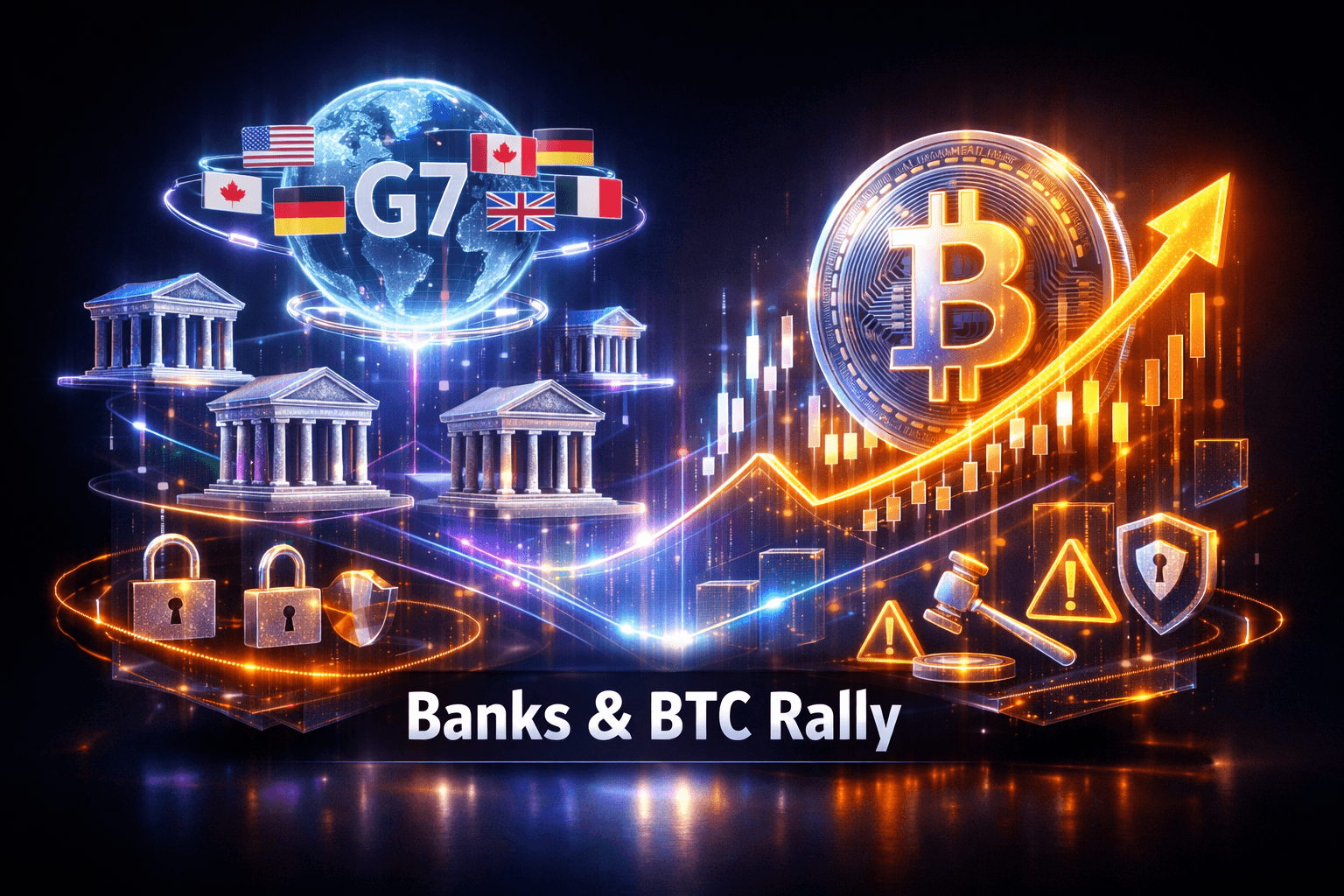
Institutional momentum dominated the day, as 21 financial institutions led by Bank of America, Citi and Goldman Sachs signaled a coordinated push into a US dollar stablecoin while Bitcoin capped one of its strongest Augusts on record. That combination of legacy finance involvement and sustained crypto market strength matters, because it increases on‑ramps, liquidity and mainstream attention for the sector.
You should also note rising regulatory and security scrutiny. A proposed SEC update to decades-old transfer agent rules explicitly acknowledges blockchain recordkeeping, even as high-profile security and compliance stories surfaced. How these threads weave together will shape market structure and investor access going forward.
Market Highlights
Key market moves and quick facts from today, Sep 1.
- Institutional stablecoin push: 21 institutions including $BAC, $C and $GS announced plans for a US dollar stablecoin, with a euro product slated to follow.
- Crypto treasury market: Combined market capitalization for crypto treasury companies rose to about $340 billion, up roughly 10% since mid-August, according to The Block.
- Bitcoin momentum: Analysts noted August was Bitcoin's third-best August ever, marking a break from the usual summer lull and setting up fresh debate over technical resistance levels.
- Regulatory signals: The SEC proposed sweeping updates to transfer agent rules, explicitly addressing blockchain, tokenized securities and automated infrastructure.
- Security and market integrity: A Dropbox authentication flaw exposed accounts, while test memecoin purchases on Robinhood Wallet and Fomo reportedly earned credit card points by being coded as "digital media."
Key Developments
Big banks plan a G7-focused stablecoin
Cointelegraph reported that 21 institutions, including Bank of America, Citi and Goldman Sachs, are planning a stablecoin initially anchored to the US dollar, with a euro offering next. Analysts note the move could institutionalize settlement rails and reduce friction for cross-border flows, while also drawing closer regulatory attention.
For you, the implication is clearer institutional on‑ramps and potential utility for corporate treasuries, but also a likely increase in oversight as regulators weigh systemic risks and compliance frameworks.
Bitcoin posts strong August, technical picture grows complex
Bitcoin recorded its third-best August ever, according to Bitcoin Magazine, defying the seasonal slump and prompting bullish positioning. Decrypt’s chart-focused coverage warns that bullish bets meet historical resistance zones, so momentum could meet consolidation near key levels.
What does this mean for your timing? Momentum indicates renewed demand, but charts and history suggest you should watch on‑chain flows and resistance levels before drawing firm conclusions.
Regulation, market integrity and security incidents
The SEC put forward a broad proposal to modernize transfer agent rules, explicitly acknowledging blockchain recordkeeping and tokenized securities. The Block and Cointelegraph note this is the most direct regulatory nod to on‑chain infrastructure in years, and it could change custody and issuance practices.
At the same time, security and market integrity stories landed today. Decrypt reported a Dropbox authentication flaw that allowed attackers to sign into accounts without passwords, and The Block detailed memecoin purchases coded as "digital media" on Robinhood Wallet and Fomo, enabling credit card points despite card-network crypto rules. Kalshi issued a lifetime ban for George Santos over insider bets, underscoring enforcement risk in prediction markets.
These incidents underscore operational and compliance risks you should monitor as firms scale tokenized services and payment integrations.
What to Watch
Watch the next steps from regulators, institutional actors and market technicians. The SEC proposal will open comment windows, and you should track stakeholder responses for clues on timing and scope.
Institutional effort on stablecoins will be incremental, expect implementation timelines and pilot details to arrive over months. Will these coins gain industry acceptance, and how will existing stablecoins respond? Those answers will matter for liquidity and settlement choices.
Security and product integrity risks remain front of mind. Keep an eye on vendor disclosures, custody audits and card network guidance after the memecoin payments story. You’ll want to monitor on‑chain flows, treasury company disclosures, and any regulatory guidance tied to transfer agent updates.
Bottom Line
- Institutional backing for a G7-focused stablecoin signals growing mainstream participation, and analysts note this could accelerate tokenized settlement rails.
- Bitcoin’s strong August adds momentum to risk-on narratives, but technical resistance and historical patterns mean consolidation is possible.
- Regulatory evolution is underway, with the SEC proposing transfer agent updates that explicitly include blockchain and tokenized securities.
- Operational and security incidents, including a Dropbox breach and card-treatment of memecoin purchases, raise compliance and product integrity questions you should follow closely.
- Data suggests momentum is building, but the picture remains nuanced, so a selective, informed approach will matter as rules and products evolve.
FAQ Section
Q: Will the bank-led stablecoin be a regulatory green light for crypto? A: Not necessarily, analysts note the project increases institutional legitimacy, but it will face close regulatory scrutiny and compliance expectations before widespread adoption.
Q: Should I worry about crypto security after the Dropbox breach? A: The Dropbox incident highlights general security risks for digital services, it does not indicate a systemic crypto protocol failure, but you should watch custody safeguards and vendor security disclosures.
Q: How will updated transfer agent rules affect tokenization efforts? A: The SEC proposal aims to modernize decades-old rules and explicitly mentions blockchain recordkeeping, which could ease tokenized securities use cases if final rules provide clear compliance pathways.