The Big Picture
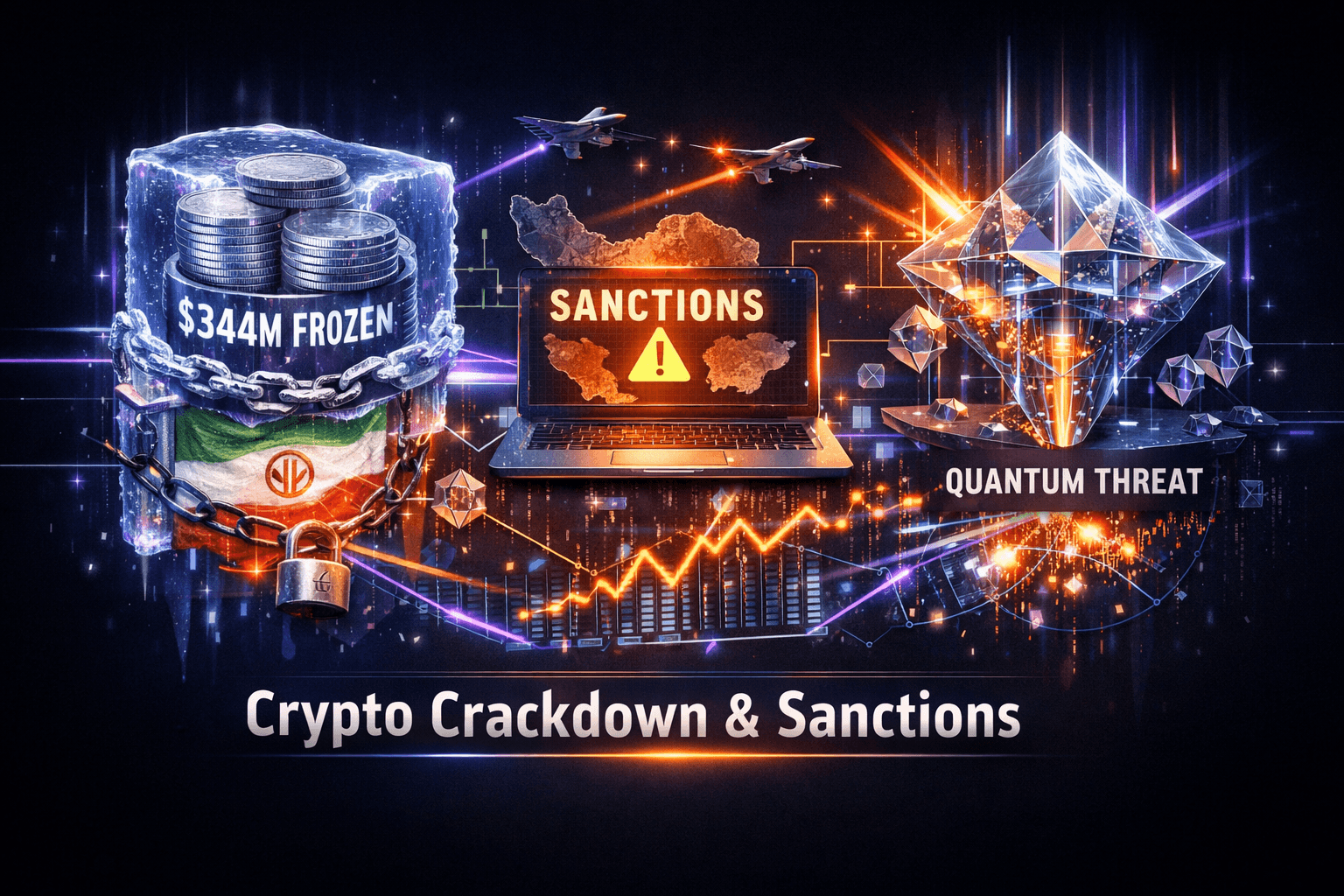
Regulatory enforcement and security headlines set the tone for crypto on Apr 24, creating a cautious market backdrop for retail investors. The biggest development was linkage of a $344 million USDT freeze to Iran and subsequent U.S. sanctions on related crypto wallets, which elevated compliance and counterparty risk for stablecoin users and exchanges.
Those enforcement moves came alongside a separate technical alarm, where researchers showed a quantum machine breaking a 15-bit elliptic curve key. Taken together, today's stories raise immediate regulatory questions and longer term security concerns for the sector, even as some market participants are positioning for a rebound. What does that mean for your exposure to crypto risk and policy volatility?
Market Highlights
Markets reacted to the enforcement news while activity reports signaled fresh bets from familiar players.
- Tether froze roughly $344 million in USDT, a move U.S. officials linked to Iran, prompting additional U.S. sanctions on related wallets and addresses.
- Institutional and trading desks appear to be increasing exposure to Bitcoin and Ether again, with commentary noting larger bets as markets show tentative signs of rebound.
- Technical and regulatory headlines weighed on sentiment, as a quantum computing demonstration and political developments around the Federal Reserve added macro uncertainty.
- Crypto political spending also drew headlines, with a crypto-aligned PAC reporting over $1.7 million in activity and then halting advertising for a Texas Senate candidate.
Key Developments
Tether USDT Freeze and U.S. Sanctions
Tether's freeze of about $344 million in USDT became a major story after U.S. officials said the funds were linked to Iran. Federal authorities followed with sanctions targeting Iran-linked crypto addresses that reportedly held the frozen USDT.
For you, this underscores the regulatory and compliance exposure of stablecoins and custodial services. Exchanges and institutional counterparties will likely increase screening and reporting, and analysts note that counterparties with weak controls could face outsized scrutiny.
Quantum Computing and Crypto Security
Researchers disclosed that a quantum system managed to break a 15-bit elliptic curve cryptographic key. The key size is tiny compared with keys used in real-world wallets, but the demonstration pushed the crypto community into a fresh debate about timelines for quantum threats.
Should you rethink long-term custody strategies? Not necessarily today. Data suggests immediate practical risk is low, but the proof of concept accelerates conversations about post-quantum upgrades and migration plans for long-term holdings and institutional custody solutions.
Policy and Political Moves
The Justice Department ended a criminal probe of Federal Reserve Chair Jerome Powell, removing an obstacle for the Senate to consider Kevin Warsh's nomination to the Fed. Broader political moves included a crypto-aligned PAC pausing ads in a key U.S. Senate race.
These developments matter because Fed leadership and political spending influence macro policy and regulatory priorities. You should watch for how appointments shape monetary policy and whether political support for crypto-friendly rules weakens or shifts direction.
What to Watch
Tomorrow and the coming days will be shaped by follow-up enforcement actions and market responses. Monitor official Treasury and OFAC releases for more details on the sanctions and any additional address designations tied to the USDT freeze.
Watch institutional flows and custody announcements. If exchanges tighten onboarding or reporting, liquidity and spreads could widen temporarily. Also track technical responses to the quantum demonstration, including statements from protocol maintainers and custody providers on key rotation and post-quantum planning.
Finally, stay alert to regulatory and political signals. Confirmation hearings for Fed nominees and any legislative movement on crypto rules could shift risk appetite for you and other retail participants. What headlines will drive the next leg of volatility?
Bottom Line
- Enforcement pressure from a $344M USDT freeze and linked U.S. sanctions is the primary near-term risk for the sector.
- Quantum cryptography progress is a reminder to follow custody timelines and long-term security planning, even though immediate consumer risk is limited.
- Political and regulatory developments, including Fed-related moves and shifts in crypto political spending, add macro uncertainty to market sentiment.
- Data suggests selective institutional accumulation is under way, but increased compliance and governance costs are likely for counterparties handling sanctioned flows.
- For your portfolio decisions, focus on counterparty risk, custody practices, and news flow around sanctions and technical security updates.
FAQ Section
Q: What happened with the $344 million USDT freeze? A: Tether froze about $344 million in USDT that U.S. officials said was linked to Iran, and the Treasury moved to sanction related crypto addresses, increasing scrutiny on stablecoin flows.
Q: Should I be worried about quantum computers breaking crypto keys tomorrow? A: The demonstration broke a very small 15-bit key, not real-world keys. Analysts say practical threats remain distant, but the event accelerates planning for post-quantum defenses.
Q: How will Fed and political developments affect crypto? A: DOJ action and nomination paths can influence monetary policy and regulatory priorities. You should watch confirmation hearings and legislative signals for changes that could affect risk assets including crypto.