The Big Picture
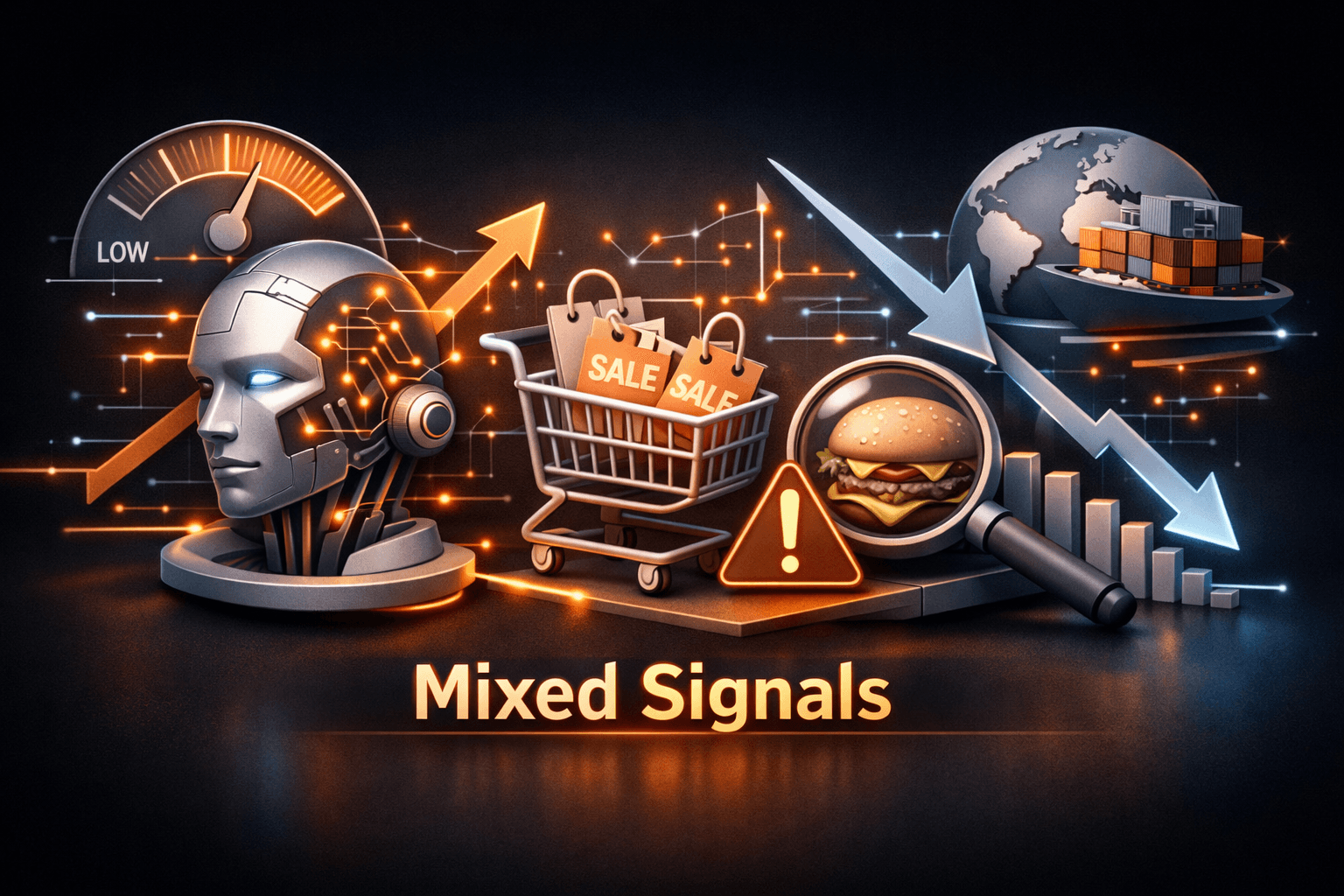
Today the Consumer & Retail sector served up a true mixed bag, with technology partnerships and targeted pricing moves offset by regulatory scrutiny and softening consumer sentiment. You saw strategic AI integrations and localized price relief that could help margins or traffic, but you also saw brand and supply-chain risks that could pressure demand and costs.
For investors, the takeaway is simple: pick your exposures carefully and watch the near-term catalysts. What does this mean for your retail holdings and themes going into earnings season and potential trade policy shifts?
Market Highlights
Key takeaways and quick facts from today’s headlines and sector developments.
- Amazon.com (AMZN), Amazon: Still among the largest online sellers by sales, but Digital Commerce 360’s new ranking methodology places Amazon lower when other factors are weighed.
- Salesforce (CRM), Salesforce: Expanded partnership with Anthropic to launch Claudeforce integrations, including a "Salesforce in Claude" plugin with 37 prebuilt sales skills to boost seller workflows.
- PepsiCo (PEP) and $KHC, PepsiCo and Kraft Heinz: Named in a Texas probe over alleged avocado oil mislabeling tied to a UC Davis study on adulteration.
- $BBWI, Bath & Body Works: Company reports e-commerce is back to growth and expects gains through 2027 in the channel.
- Build-A-Bear: Management shakeup after flat earnings and softer wholesale progress, signaling execution risk in specialty retail.
- Macro and policy: The Conference Board reported fading consumer confidence with dimmer jobs and income outlooks, while tariff refunds and mounting U.S.-Canada packaging tensions create mixed implications for margins.
Key Developments
AI and commerce partnerships
Salesforce and Anthropic expanded their partnership to roll out Claudeforce integrations, launching "Salesforce in Claude" with 37 prebuilt sales skills. This is a practical move to commercialize generative AI in sales workflows and it could accelerate productivity gains for enterprise sellers and their ecommerce integrations.
Amazon’s AI commerce story is getting nuanced coverage. Digital Commerce 360 notes Amazon remains massive by sales, yet a new ranking approach lowers its standing when broader vendor and growth metrics are considered. For you, that underscores how scale alone isn’t the whole story as retailers adopt differentiated AI strategies.
Product quality and regulatory risk
A Texas investigation is focusing on avocado oil claims at major consumer packaged goods names including $PEP and $KHC, following a UC Davis study alleging adulteration with cheaper oils. This raises reputational and potential legal risk for brands marketing premium or better-for-you products.
Regulatory probes can mean recalls, reformulation costs, or slower category growth. If you own stocks exposed to premium food claims, analysts note this is an issue to monitor for margin and brand-risk implications.
Retail operations, pricing and consumer demand
$BBWI said e-commerce returned to growth and expects continued gains into 2027, a positive sign for omnichannel recovery and digital merchandising execution. At the same time, Build-A-Bear’s departure of its chief growth officer after flat earnings highlights execution risk in discretionary retail and the importance of seasonal merchandising.
Grocery moves were notable on the consumer side. The Giant Company cut hot-bar prices by 10 percent to make prepared foods more affordable, while Festival Foods appointed a new chief operating officer as it continues regional expansion. Meanwhile, tariff refunds will help big-box balance sheets, but analysts caution shoppers are unlikely to see immediate relief at the register.
What to Watch
Several near-term catalysts will shape sector direction and your positioning going into next week.
- Earnings season: Keep an eye on upcoming quarterly reports from major retailers and CPGs for sales trends, margin commentary, and any mention of probe-related costs or pricing actions.
- Policy and trade: Watch any U.S.-Canada tariff developments and implementation timelines for packaging duties. These could translate into cost pressures for grocery and packaged-food producers.
- Consumer data: Weekly sales, CPI reads, and next Conference Board releases will matter. With consumers expecting higher inflation and potential rate hikes, demand elasticity in discretionary categories is a key risk to monitor.
- Regulatory outcomes: The scope and findings of the avocado oil probe could set precedents for other better-for-you claims. Will companies need to reformulate or relabel?
- AI deployments: Track adoption pace and ROI signals from enterprise AI deals like Claudeforce. How quickly can you expect measurable sales productivity or cost savings from these integrations?
Can tariff refunds and retailer cost-savings eventually flow to lower prices for consumers? That will depend on competitive dynamics and your exposure to retailers versus suppliers.
Bottom Line
- Sector sentiment is mixed today, with technology and selective pricing initiatives balanced by regulatory and macro concerns.
- AI partnerships like Salesforce-Anthropic show momentum for enterprise commerce tools, potentially improving seller productivity.
- Food-quality probes and trade-driven packaging costs are tangible risks to margins and brand trust for CPGs.
- Retailers with strong omnichannel execution, such as those reporting ecommerce recovery, may be better positioned to weather consumer caution.
- Stay selective and monitor earnings, consumer data, and policy moves closely as the next catalysts for the sector.
FAQ Section
Q: How should I interpret AI partnership news for retailers and CPGs? A: AI partnerships indicate potential productivity gains, especially in sales and customer service automation, but measurable ROI varies by implementation and scale.
Q: Will the Texas avocado oil probe affect major food companies broadly? A: It could increase scrutiny on premium ingredient claims and lead to reformulation or legal costs for implicated brands, depending on investigative findings.
Q: Do tariff refunds mean lower prices for shoppers? A: Tariff refunds improve retailer margins, but whether savings reach shoppers depends on competition and management decisions, so consumer relief is not guaranteed.