The Big Picture
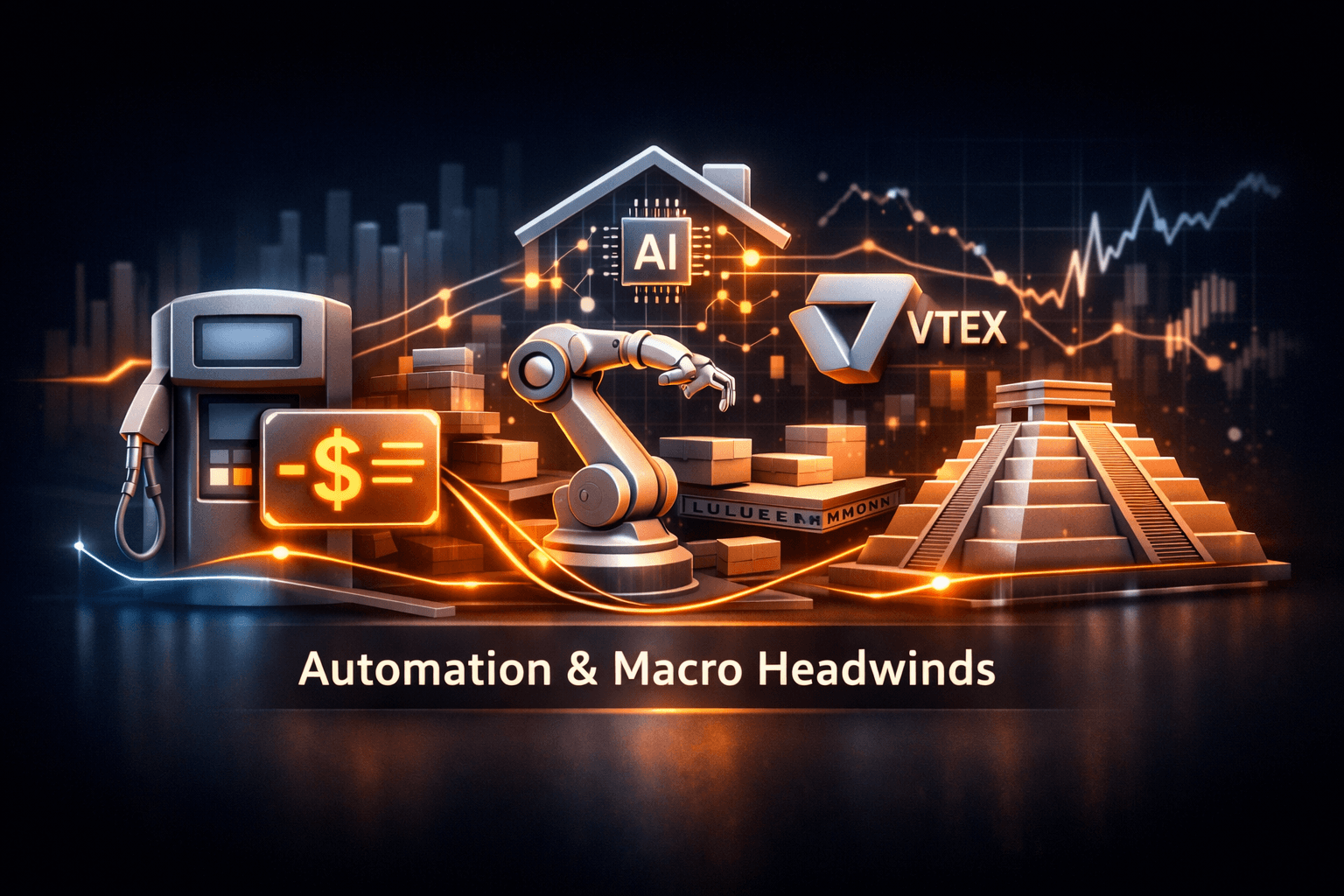
Retailers and brands are pulling in two directions this morning, with clear bets on automation, AI and international expansion while macro pressures from rising fuel and oil costs squeeze consumers and margins. That dynamic matters because it will shape traffic patterns, fulfillment economics and marketing budgets heading into the summer selling season.
You’ll see companies pushing technology and M&A to shorten delivery windows and personalize experiences. At the same time you’ll see promotions aimed at easing sticker shock at the pump, and a handful of restructurings that reflect tougher competitive and cost environments.
Market Highlights
Quick facts and price moves to watch today.
- Fuel pain: U.S. pump prices have climbed near $4 per gallon, prompting retailers to add limited-time fuel perks to drive foot traffic and offset consumer pain.
- $MMM: 3M reported fiscal Q1 sales of $6.0 billion, up 1.3% year over year, while executives flagged rising oil costs as a headwind.
- $HD: The Home Depot confirmed the acquisition of Simpl Automation to speed same-day and next-day fulfillment, terms not disclosed.
- $LULU: Lululemon is launching e-commerce in Mexico and plans to open eight stores there this year as part of its international push.
- $SMPL: Simply Good Foods, owner of Quest bars, is cutting about 15% of its workforce amid tougher competition and GLP-1 related demand shifts.
- Thorne reported a 63% jump in DTC sales after a brand-awareness and full-funnel marketing pivot, according to its chief growth officer.
Key Developments
Macro pressure and consumer relief plays
Higher energy costs have prompted several retailers to roll out fuel perks designed to draw cost-conscious shoppers back into stores. Those programs are tactical and likely limited in duration, but they can meaningfully alter weekly traffic if you track basket size and visit frequency.
Rising oil and fuel costs are also showing up on corporate calls. $MMM noted pockets of macro pressure even as sales rose slightly, so investors should monitor input-cost disclosures and margin commentary going forward.
Automation and AI move from pilot to purchase
$HD’s acquisition of Simpl Automation signals a push to own more of the fulfillment stack, with a goal of faster same-day delivery and improved efficiency. That could help defend sales as expectations for rapid fulfillment keep rising across retail categories.
At the platform level VTEX announced an AI-focused commerce suite, putting machine learning at the core of personalization and operations. Taken together, these moves suggest you should watch capital deployment toward automation and AI as secular bets rather than short-term experiments.
Expansion, restructuring and corporate moves
Brands continue to expand internationally and sharpen their portfolios. $LULU is entering Mexico with eight stores and an e-commerce launch, while Associated British Foods plans to spin off Primark into a stand-alone company by 2027, a move designed to clarify value for both apparel and food operations.
At the same time Simply Good Foods is cutting about 15% of staff as competition and changing consumer behavior related to GLP-1 therapies weigh on demand. You’ll want to weigh expansion initiatives against these signs of category disruption.
What to Watch
Focus on catalysts and risk factors that will move names in this sector over the next 1 to 3 months.
- Upcoming earnings and calls: Listen for margin commentary and specific disclosures on transportation and energy costs, especially from large merchandisers and manufacturers like $MMM and $HD.
- Fulfillment metrics: Track same-day and next-day delivery rollout details and any reported improvements in fulfillment cost per order after automation integrations.
- Promotions and foot traffic: Watch whether fuel perks translate to higher basket sizes and repeat visits, and how long retailers maintain those offers.
- Regulatory and tariff refund updates: Brands are rushing to claim refunds with mixed results, so operational complexity and cash timing could be a short-term headwind.
- Consumer demand signals: Monitor DTC growth stories like Thorne for lessons on channel mix, and track category-specific disruptions such as GLP-1 impacts on nutrition and snack makers.
Which names will show the best combination of top-line resilience and improved fulfillment economics? That’s the key question for your watchlist this week.
Bottom Line
- Sector picture is a mixed bag, with solid execution in automation and AI offset by macro fuel and oil pressures.
- Home Depot’s $HD acquisition and VTEX’s AI suite indicate technology investment is accelerating across retail operations.
- Expansion moves like $LULU’s Mexico push and the Primark spin from $ABF highlight ongoing international growth strategies.
- Watch costs and demand signals closely, especially energy-related input costs, tariff refund flow and category shifts tied to GLP-1.
- Use upcoming earnings and fulfillment metrics to separate companies that can scale efficiency from those that will face margin pressure.
FAQ Section
Q: How will rising gas prices affect retail sales? A: Higher pump prices generally reduce discretionary spending and can lower store visits, prompting retailers to offset the pain with fuel perks and targeted promotions.
Q: Does automation really improve margins quickly? A: Automation can reduce fulfillment costs and speed delivery, but benefits often appear over multiple quarters after integration and scale up.
Q: What should you watch from earnings calls this season? A: Listen for commentary on transportation and energy inputs, fulfillment cost per order, promotion intensity and any notes on international expansion timing.