The Big Picture
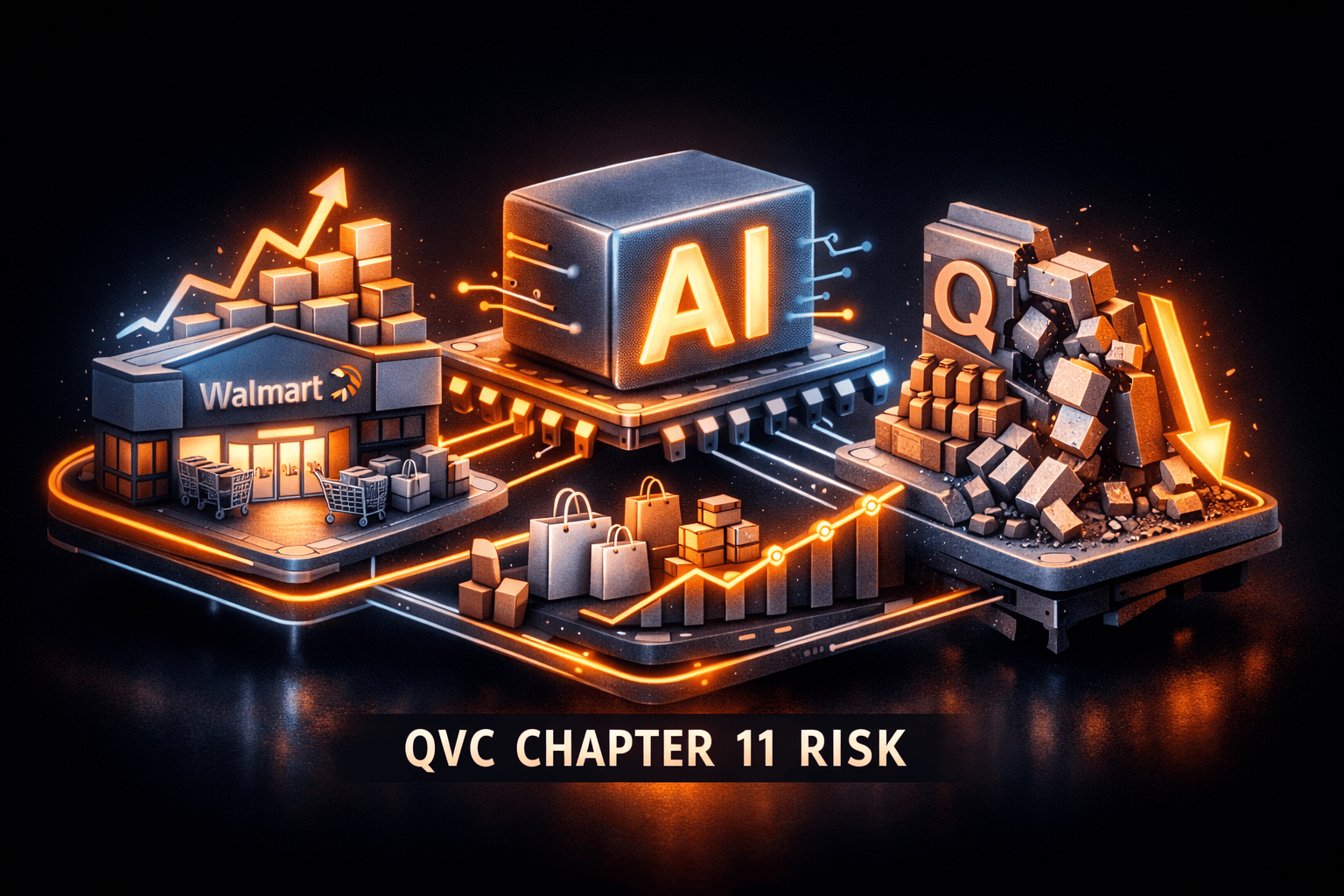
Retailers are accelerating technology and store investments as they chase greater personalization and convenience, and that momentum may matter more to your portfolio than you realize. From AI-enabled shopping channels to big remodel and expansion plans at Walmart, the sector is leaning into both digital and physical upgrades.
There is a cautionary counterpoint. QVC Group has entered Chapter 11 for its U.S. operations as it pursues a rapid debt reduction plan tied to a live-shopping reset. As of Friday, April 17 markets were closed, but these developments set the tone for the week ahead.
Market Highlights
Quick facts and figures to scan while you plan your weekend reading list.
- Walmart, $WMT: plans to open roughly 20 new stores over the next two years and remodel about 650 supercenters and Neighborhood Market stores in 2026.
- David's Bridal: launched AI storefront integrations on Microsoft Copilot and OpenAI's ChatGPT via Shopify agentic storefronts, live since April 13.
- QVC Group: filed Chapter 11 for its U.S. entities with a plan to slash approximately $6.6 billion of debt, aiming for a swift restructuring.
- Backcountry: launched a brand incubator and acquired outdoor apparel maker Coalatree as it seeks more partnerships after buying Velotech in September.
- Tesco, $TSCO: is partnering with Adobe to deploy agentic AI and Adobe Firefly Foundry to boost personalization across its grocery operations.
Key Developments
AI becomes a mainstream channel for shopping
David's Bridal brought its catalog into Microsoft Copilot and ChatGPT as agentic storefronts, turning conversational AI into direct shopping channels. Tesco is following a similar playbook, partnering with Adobe to use agentic AI and generative tools for personalization and targeting.
Why this matters to you, the reader: this shift broadens where consumers can discover and complete purchases, and data suggests early adopters could gain share by meeting shoppers where they already are. Are you ready for commerce that talks to customers first?
Walmart ramps store investment and private-label refresh
$WMT is doubling down on physical modernization and branding. The retailer plans about 20 net new stores over two years while remodeling 650 locations in 2026. Separately, Walmart is overhauling its Great Value private-label line for the first time in more than a decade after shopper feedback showed low pride of ownership.
For investors, Walmart's moves are classic scale plays: refresh the core assortment, upgrade the shopping environment, and lean on private brands to protect margins. There's some risk in execution, but momentum indicates management is prioritizing long-term footing.
M&A and restructuring reshape smaller players and legacy channels
Backcountry is building a brand incubator and picked up Coalatree to expand its multi-brand strategy after last year’s Velotech purchase. These moves show specialty retailers are using M&A to diversify product sets and accelerate growth.
On the flip side, QVC Group's Chapter 11 filing for U.S. entities highlights legacy media and commerce models under pressure, even as the company touts a plan to convert heavy debt into a leaner live-shopping operation. It's a reminder that not every business model will survive the shift to streaming commerce and AI influenced discovery.
What to Watch
Focus on near-term catalysts and risks that could change the sector narrative before markets reopen on Monday April 20.
- AI rollouts: track adoption metrics from pilots and early partners, and watch for measurable lifts in conversion or average order value when agentic storefronts go live.
- Walmart execution: monitor announcements on remodel timelines and early results from the Great Value refresh for pricing and margin signals.
- QVC Chapter 11 timeline: expect a swift U.S. process, but keep an eye on creditor negotiations and any disruptions to live-shopping partners and vendors.
- Food waste and sustainability: Refed's report showing a post-peak decline may affect CPG sourcing and grocery inventory practices, which could matter for grocers and suppliers alike.
- M&A activity: Backcountry's incubator could presage more small-brand deals among specialty retailers. Will this spark consolidation or spur new niche winners?
You're likely asking how fast AI will impact sales and margins. Short answer, it's already moving the needle in discovery and personalization, but you'll want to see consistent metrics before calling it a durable profit driver.
Bottom Line
- AI adoption across multiple retailers is the dominant theme, opening new shopping channels and personalization opportunities for brands and grocers.
- Walmart's physical and private-label investments show a hybrid play that seeks to defend market share and margin, which investors will monitor closely.
- Specialty retail M&A is active, with Backcountry's incubator signaling a path for growth through partnerships and acquisitions.
- Legacy players face real strain, as seen with QVC Group's Chapter 11 filing for U.S. entities, underscoring execution risk in transformation efforts.
- Overall, the sector shows momentum, but execution and measurable ROI on AI and remodel spends will determine winners and laggards.
FAQ
Q: How quickly will AI storefronts impact revenue? A: Early pilots suggest improvements in discovery and conversion, but widespread revenue impact will depend on integration depth and consumer adoption over the next few quarters.
Q: Should I be worried about QVC's Chapter 11 for the wider retail sector? A: The filing applies to QVC's U.S. entities and is intended to reduce $6.6 billion of debt quickly, but it mainly highlights risks for legacy live-commerce formats rather than signaling broad retail distress.
Q: What metrics should I watch to judge Walmart's remodel and private-label efforts? A: Monitor same-store sales, private-label mix, gross margin trends, and any commentary on remodel cadence and cost saves in upcoming quarterly reports.