The Big Picture
Regulation and operational disruption set the tone for the cannabis sector on Aug 24, with multiple stories highlighting new restrictions, enforcement actions, and legal disputes that complicate the outlook for operators and investors. From an international police operation affecting thousands of patients to state-level rules and a looming takeover fight, the headlines underscore that policy and compliance risk remain front and center.
That matters to you because regulatory actions translate into revenue disruption, higher compliance costs, and legal uncertainty. If you hold sector exposure or are thinking about it, today’s news suggests heightened volatility in the near term.
Market Highlights
Trading reflected the risk-off tone as newsflow focused on enforcement and legal battles. Volume was elevated on names tied to the headlines and on broader sector ETFs as traders re-priced regulatory risk.
- Curaleaf Holdings (CURLF), Curaleaf Holdings, was in the headlines after a public takeover bid and responses from the target; watch headlines for further corporate governance developments.
- Aurora Cannabis drew attention as management urged shareholders to reject Curaleaf’s unsolicited offer, creating M&A uncertainty for Canadian and U.S. cross-list investors.
- Regulatory and legal stories pushed attention toward sector trackers, including AdvisorShares Pure US Cannabis ETF (MSOS) and smaller caps such as Trulieve Cannabis (TCNNF), Green Thumb Industries (GTBIF), $CURLF, and Tilray Brands (TLRY), with intraday volatility across the group.
- State and international enforcement reports, especially Chile’s Operación Imperio Ámsterdam and U.S. state policy moves, prompted broad investor caution across cultivation, retail, and hemp categories.
Key Developments
Chile’s Operación Imperio Ámsterdam Disrupts Patient Access
Authorities in Chile carried out a large enforcement action that has disrupted medical cannabis networks and affected more than 16,000 patients. The operation highlights unresolved legal gaps around collective cultivation and the right to health, and it raises the prospect of further enforcement in jurisdictions with ambiguous statutes.
For companies with international exposure or supply relationships in Latin America, this is a clear operational and reputational risk. You’ll want to monitor any statements from exporters or distributors that operate in or source from Chile.
Corporate Drama: Aurora vs Curaleaf Hostile Bid
Aurora Cannabis publicly urged shareholders to reject an unsolicited $272 million takeover bid from Curaleaf, saying Curaleaf made inaccurate claims. Aurora’s board formed a special committee to evaluate the proposal, turning this into a drawn-out corporate governance story rather than a quick deal.
M&A headlines like this can create stock-specific volatility and ripple across peers, especially when they involve large multijurisdictional operators. If you’re following corporate consolidation trends, keep an eye on both disclosure updates and any regulatory reviews that could follow.
U.S. State-Level Rules, Labor, and Operational Disruptions
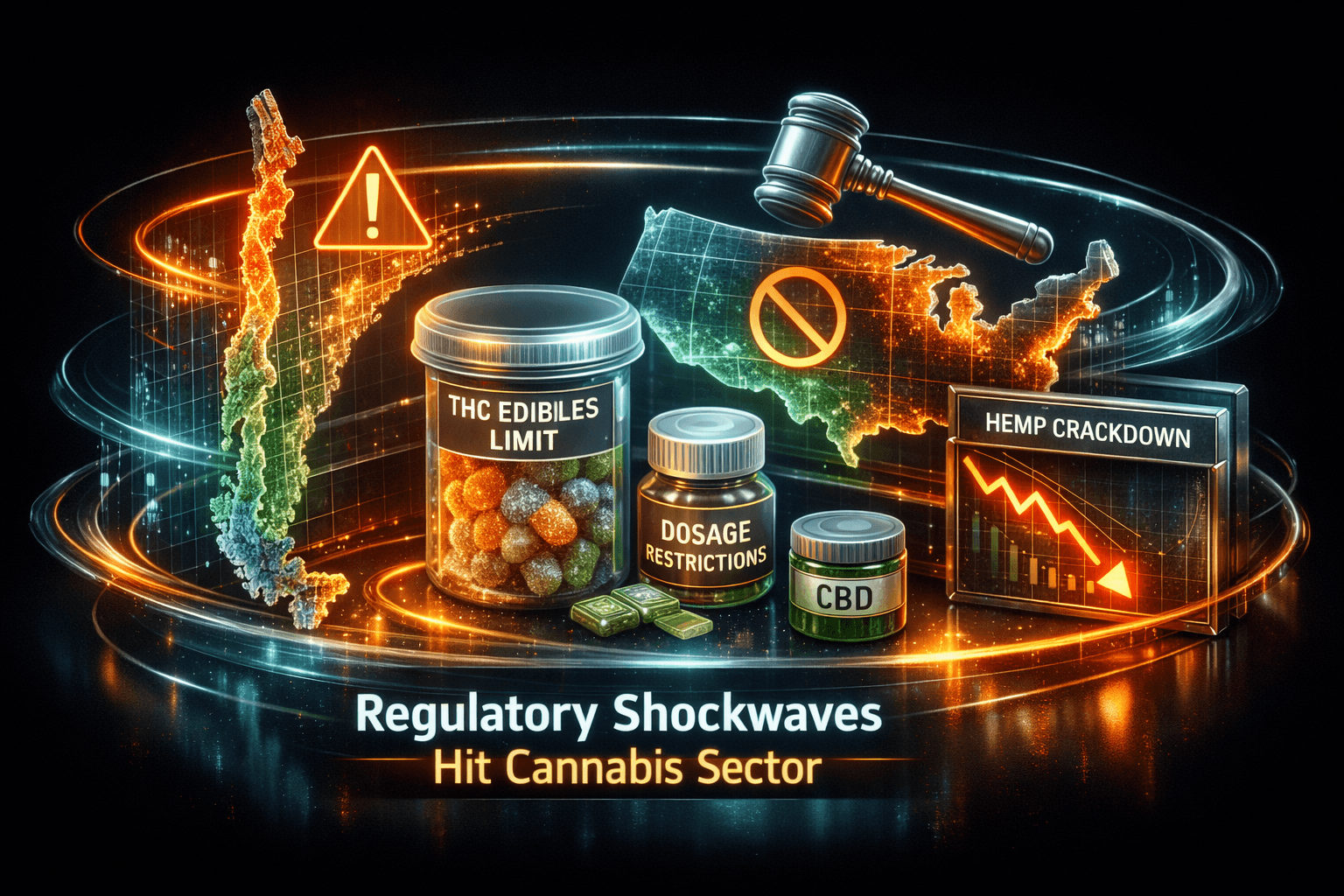
Several U.S. state developments increased near-term compliance pressure. Oregon lawmakers are pushing to cap THC in edibles at 10 mg, and California passed a bill tightening packaging rules deemed attractive to children. Those measures could compress retail SKU assortments and raise reformulation and labeling costs for manufacturers.
Labor and operations also mattered today. Workers at a Missouri dispensary secured a union contract with pay gains and benefits that could pressure margins if similar agreements spread. New Mexico’s planned six-day seed-to-sale blackout starting Aug 25 may disrupt sales and inventory reporting for licensed operators. Finally, Texas hemp retailers filed a new lawsuit challenging state hemp THC restrictions that have caused major market losses, a story that shows legal remedies can take months to resolve.
What to Watch
Regulatory action dominated today, so you should expect continued headline-driven moves. Here are the near-term catalysts and risks to track tomorrow and beyond.
- Chile follow-ups: Look for government and industry responses, legal filings, or international trade impacts that could affect exporters and suppliers.
- Curaleaf-Aurora updates: Monitor formal filings, special committee findings, and any revised offers or shareholder communications. These could produce sharp, idiosyncratic moves in $CURLF and in companies with similar M&A profiles.
- State policy rollouts: Watch Oregon and California for committee hearings, implementation guidance, and industry reactions, since packaging and THC limits will force product adjustments.
- Operational disruptions: New Mexico’s seed-to-sale blackout starts Aug 25. If you have exposure to local operators, expect potential short-term sales and reporting lags, and plan for inventory reconciliation headlines.
- Labor and legal risks: Union wins in Missouri and the Texas hemp lawsuit underscore rising cost and legal uncertainty. If you own names with large retail footprints, you should follow wage and litigation developments closely.
- Key sector tickers to monitor for market moves and liquidity: $MSOS, $TCNNF, $GTBIF, $CURLF, $TLRY. These names often lead intraday sentiment and can signal broader risk appetite in the space.
Bottom Line
- Regulatory and enforcement headlines drove today’s action, creating elevated short-term risk across cultivation, retail, and hemp segments.
- Operational disruptions, including New Mexico’s seed-to-sale blackout and Chile’s crackdown, may produce near-term revenue and reporting noise.
- State-level policy changes in Oregon and California will require product reformulation and packaging updates, increasing compliance costs for manufacturers and brands.
- M&A and labor stories add idiosyncratic risk, meaning you’ll likely see company-level volatility even if the broader sector stabilizes.
- Analysts note that the sector remains policy-sensitive, so stay selective and follow regulatory and legal filings closely before adjusting exposure.
FAQ Section
Q: How will Chile’s enforcement action affect U.S. cannabis companies? A: Direct operational impact on U.S. companies is limited, but suppliers and exporters with ties to Chile could face disruptions, and the action underscores geopolitical regulatory risk you should monitor.
Q: Will Oregon’s proposed THC cap and California packaging rules reduce product choices? A: Yes, lower THC limits and stricter packaging standards will likely force reformulations and remove some SKUs, creating short-term cost and SKU rationalization pressure for manufacturers and retailers.
Q: What does the Aurora-Curaleaf conflict mean for market consolidation? A: The hostile bid raises governance and regulatory questions and could slow or reshape consolidation dynamics if the dispute drags on or prompts regulatory scrutiny; expect stock-specific volatility rather than an immediate sector-wide deal wave.