The Big Picture
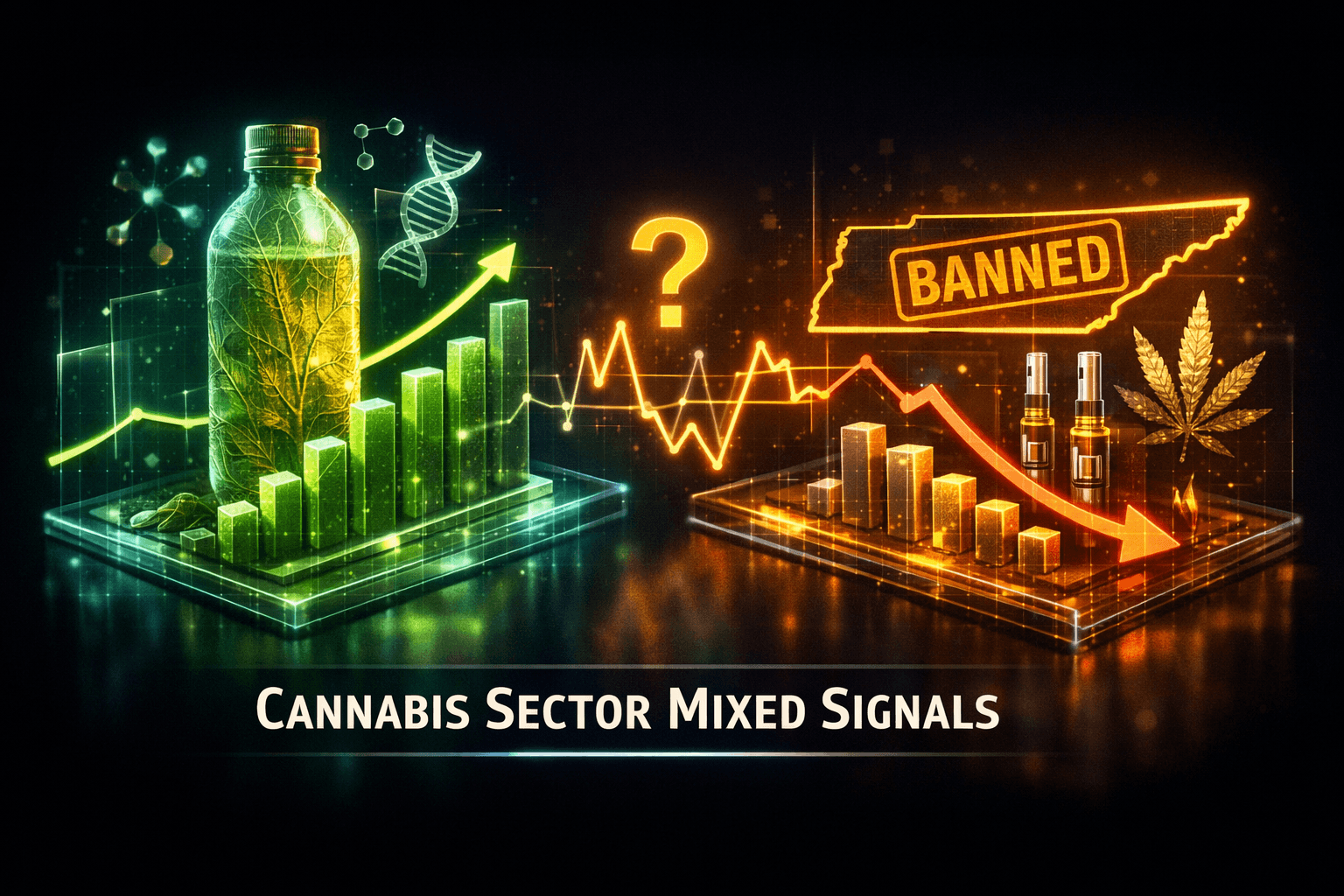
Innovation and regulation are pulling the cannabis sector in different directions as we head into June. A new study highlighting hemp-based plastics as an eco-friendly alternative adds a growth narrative, while Tennessee’s finalized rules banning THCA and other hemp products from July 1 underscore persistent regulatory risk.
That mix matters for you because it shapes where growth can appear and where legal uncertainty can wipe out potential revenue. Cultural stories and debate over medical marijuana keep public attention high, but policy outcomes will likely determine near-term winners and losers.
Market Highlights
U.S. markets were closed Sunday, May 31, so headline reactions will be reflected in Monday’s trading. Heading into the long weekend, the sector showed a blend of optimism on innovation and caution on policy.
- $MSOS, the global cannabis ETF, is a key barometer for sentiment heading into Monday, with traders likely watching flows after the weekend news cycle.
- Major single-name names investors track include $TLRY and $CURLF, while $TCNNF and $GTBIF remain focal points for both U.S. OTC and international exposure.
- Expect attention on short-term volatility rather than clear directional moves right away, as headlines out of Tennessee and ongoing state-level political debates carry near-term risk.
We’ll see how these stories translate into volume and price action once U.S. markets reopen on Monday, June 1. If you trade this sector, keep an eye on liquidity and overnight headline developments.
Key Developments
Hemp-Based Plastic Study Signals New End Markets
A study reported by Marijuana Moment highlights hemp-derived plastics as a potentially viable, more environmentally friendly alternative to petroleum-based packaging. That points to a non-consumption use case for hemp crops, which could expand demand beyond CBD and smokable markets.
For investors, the implication is clear: companies involved in industrial hemp, processing technology, or licensing could gain new revenue streams if the research scales and regulatory frameworks align. This is a longer-term structural story, not an immediate revenue play.
Tennessee Bans THCA and Many Hemp Products Starting July 1
Tennessee finalized rules that will criminalize the sale of THCA and several other hemp-derived products beginning July 1, according to Marijuana Moment. The move reverses much of the state’s recent hemp market growth and creates an abrupt enforcement timeline.
This is a reminder that state-level policy can rapidly change productability and distribution. If you hold exposure tied to regional hemp retail channels, you’ll want to evaluate potential revenue disruption and legal risk in states with similar enforcement trends.
Politics, Culture, and Public Attention
Political debate in South Carolina featuring GOP attorney general candidates spotlighted medical marijuana and hemp, showing the issue’s political salience ahead of elections. Cultural coverage, from Conan O’Brien’s gummy story to Harry Styles discussing psychedelics and pieces on psychedelic integration, kept mainstream attention on the broader plant therapeutics space.
That continuing media interest helps keep public conversations alive and could influence voter attitudes and eventual policy. For you, that means this is still a narrative-driven sector where public perception and lawmaking both matter.
What to Watch
Here are the catalysts and risks that may move the cannabis space when markets reopen. What should you monitor and why does it matter?
- Regulatory timelines: Watch July 1 closely in Tennessee and track any legal challenges or clarifications. State rules can force sudden market exits and ripple through suppliers.
- Industry adoption of hemp-based materials: Monitor pilot programs, licensing deals, and partnerships between hemp producers and packaging or materials firms. Data suggests new end markets could take years to scale.
- Political calendar: Keep an eye on state attorney general races and ballot initiatives that could change medical or recreational access. Election outcomes will shape business models in key states.
- Ticker watch: Keep $MSOS, $TCNNF, $GTBIF, $CURLF, and $TLRY on your radar for liquidity and sentiment signals. These names often lead or mirror sector momentum.
- Public sentiment and cultural signals: High-profile cultural coverage, including celebrity mentions and mainstream conversations about psychedelics, can influence retail demand. Will cultural momentum translate into policy changes?
Risk factors include continued state-level crackdowns, shifts in federal enforcement guidance, and execution risk on new hemp industrialization projects. You’ll want to watch news flow and corporate disclosures closely.
Bottom Line
- Innovation around hemp-based plastics adds a constructive long-term narrative for hemp growers and processors, but commercialization timelines remain uncertain.
- Tennessee’s July 1 ban on THCA and many hemp products is a stark reminder that regulatory risk can be immediate and disruptive.
- Political debate and mainstream culture continue to keep cannabis and psychedelics in the public eye, which may influence future policy and demand.
- Watch $MSOS, $TCNNF, $GTBIF, $CURLF, and $TLRY for near-term sentiment and liquidity cues when markets reopen on Monday, June 1.
- Be selective and stay informed, because local regulations and legal developments will determine where growth actually happens.
FAQ
Q: Will Tennessee’s ban affect national cannabis companies? A: It could create regional disruption for companies with retail or manufacturing exposure in Tennessee, but national firms with diversified state footprints may be insulated.
Q: How soon could hemp-based plastics create revenue for cannabis-related firms? A: Commercial adoption will likely take years, as scaling, certification, and supply chains must be developed before significant revenue appears.
Q: Should cultural stories about celebrities change my view of the sector? A: Culture can drive awareness and retail demand, but policy and fundamentals tend to determine sustainable investment outcomes.