The Big Picture
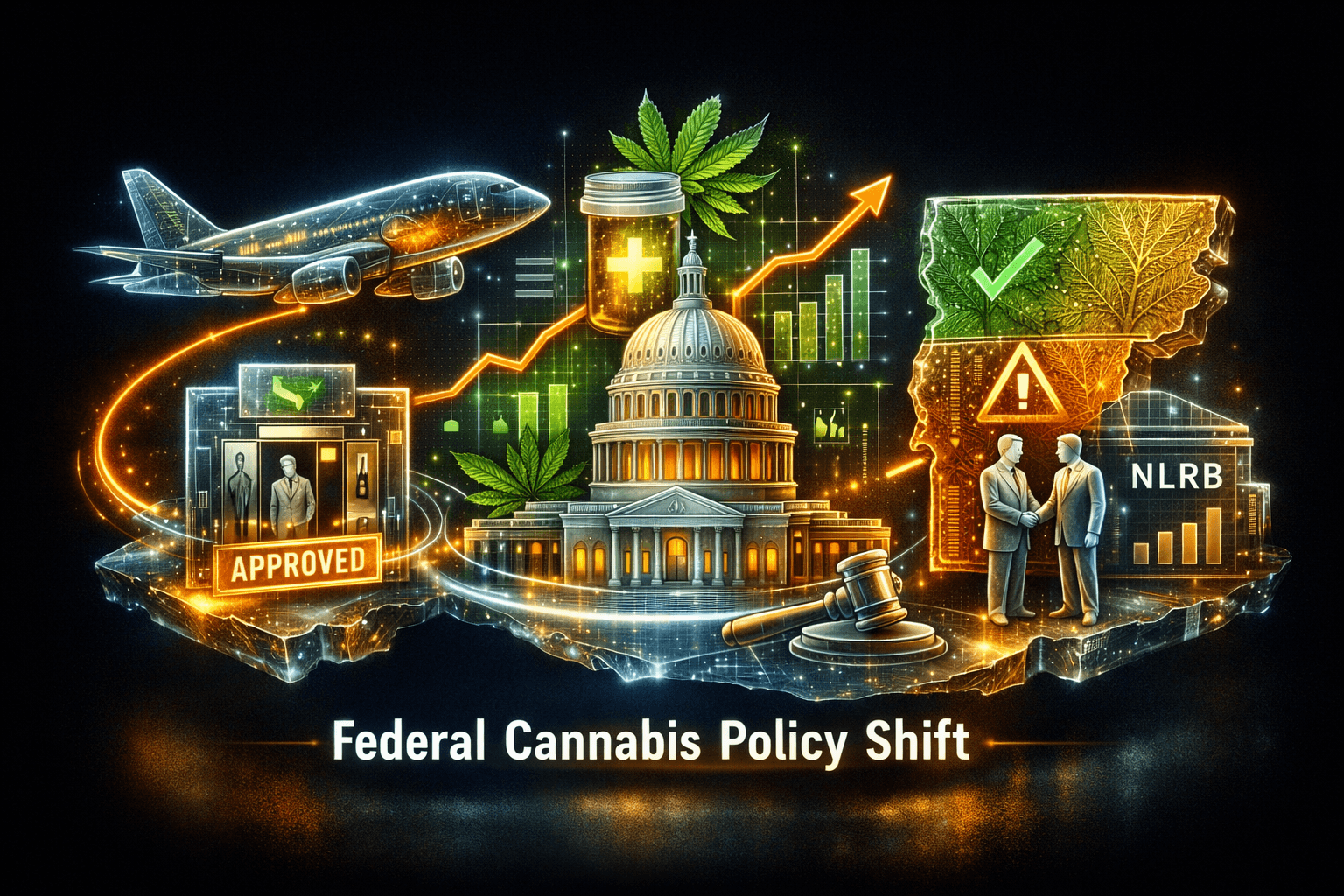
The most impactful development for the cannabis sector overnight is federal normalization of medical cannabis travel, with the TSA updating guidance to allow patients to fly with medical cannabis after the federal reclassification to Schedule III. That change reduces a practical barrier for patients and signals continued alignment of federal agencies with the new Controlled Substances Act classification.
At the same time you should note that state-level policy and labor rulings are creating mixed signals. Vermont lawmakers removed provisions that would have loosened THC caps and cut excise taxes, while the National Labor Relations Board rejected an argument aimed at blocking unionization for cultivation and manufacturing workers. These items introduce regulatory and operational considerations for operators and for your portfolio allocations.
Market Highlights
Key facts and early-session items to watch as markets trade today.
- TSA updated its website on April 27 to reflect guidance allowing travelers to fly with medical cannabis, following the federal reclassification from Schedule I to Schedule III.
- Vermont’s House Government Operations Committee removed language that would have eliminated the 30 percent THC cap on flower and reworked proposed changes to concentrate caps and excise tax cuts.
- The NLRB last week rejected a challenge from a Missouri cannabis operator that cultivation and manufacturing employees should be treated as agricultural workers, a decision tied to a union vote that occurred about two years ago at BeLeaf Medical’s Sinse facility in St. Louis.
- Track these sector names during today’s session: AdvisorShares Pure US Cannabis ETF (MSOS), Trulieve Cannabis (TCNNF), Green Thumb Industries (GTBIF), Curaleaf Holdings (CURLF), Tilray Brands (TLRY), which often lead ETF and individual stock reactions to policy moves and labor news.
Key Developments
TSA Allows Medical Cannabis on Flights
The TSA updated public guidance allowing travelers to fly with medical cannabis, a practical change that follows the federal reclassification to Schedule III. For operators this lowers friction for patients who travel and could incrementally support tourism-related demand in regulated states where medical programs are significant.
What does this mean for you as an investor? Expect clearer logistics for patient access and fewer enforcement unknowns at airports, which may affect retail foot traffic patterns near transportation hubs and could influence state market participation over time.
Vermont Pulls Back on THC Cap Changes
Vermont’s House committee removed provisions from a Senate-approved bill that would have eliminated the 30 percent THC cap on flower and altered concentrate caps and excise taxes. The removal keeps the existing THC limits and tax framework in play for now.
This is a reminder that state legislative calendars remain a primary source of upside or downside for operators that rely on policy liberalization. If you follow state-by-state rollouts, Vermont is now a watch item for future negotiation outcomes and potential retail-level impacts.
NLRB Ruling Clarifies Labor Status for Cannabis Workers
The National Labor Relations Board rejected the claim that cannabis cultivation and manufacturing staff are agricultural workers and therefore ineligible to unionize. The decision upheld worker rights tied to a union vote at BeLeaf Medical’s St. Louis facility.
Labor clarity reduces one form of legal ambiguity but introduces potential cost and operational impacts for employers if unionization efforts advance. You should consider the implications for margins and scheduling in facilities-heavy operators as union activity progresses.
Culture and Market Perception: Jersey’s Legacy Scene
A High Times feature on Scarlet Reserve Room in New Jersey highlights the enduring cultural disconnect between legacy cannabis communities and corporate entrants. The piece underscores brand and community challenges as legalization matures.
Culture stories rarely move stock charts on their own, but they shape consumer loyalty and political discourse. If you care about long-term brand value, these narratives matter for positioning and marketing strategies across MSOs and craft operators.
What to Watch
Focus your attention on near-term catalysts and the risks they imply. You’ll want to track federal agencies for implementation guidance, and follow state legislative calendars for changes that could materially alter market structures.
- Federal implementation: Watch for TSA operational guidance and DOJ rulemakings that clarify how Schedule III reclassification is enforced, and how that affects interstate commerce and patient mobility.
- State policy: Monitor Vermont for resumed floor votes or amendments, and other state sessions where THC caps, excise taxes, and retail licensing remain under negotiation.
- Labor developments: Keep an eye on follow-on union drives and NLRB decisions that could set precedents. Labor outcomes may influence margins and capital spending needs.
- Market watchers: Track $MSOS, $TCNNF, $GTBIF, $CURLF, $TLRY for volatility tied to policy headlines and earnings windows. Are you positioned for headline-driven swings or for a longer-term thematic play?
- Sentiment and demand: Look for retail sales reports and tourist season data that may show whether eased travel rules translate into higher retail traffic in medical and adult-use states.
Bottom Line
- Federal progress on medical cannabis travel is a structural positive, reducing friction for patient access and aligning agency practice with reclassification, analysts note.
- State-level policy remains a mixed bag, as Vermont’s rollback of THC and tax changes shows, so you should stay selective by jurisdiction.
- Labor rulings provide clarity but raise the prospect of higher operating costs if unionization spreads, data suggests employers will need to plan accordingly.
- Brand and culture narratives continue to matter for long-term demand; media coverage in states like New Jersey can influence consumer perception and licensing debates.
- Overall, momentum exists at the federal level but headwinds persist locally, so a balanced, watchful approach is warranted for your allocations and trade timing.
FAQ Section
Q: Will the TSA ruling let anyone fly with cannabis? A: The TSA guidance applies to medical cannabis in the context of the federal Schedule III reclassification, and screening remains focused on security, so you should check state and airline rules before traveling.
Q: Does Vermont’s committee action block THC cap changes permanently? A: No, removal of those provisions pauses changes for now, but further amendments or future bills could revisit THC caps and tax measures, so follow the legislature for updates.
Q: Could the NLRB decision lead to more unionization in cannabis? A: Yes, the ruling affirms that cultivation and manufacturing employees can seek union representation, which may increase union activity and affect operating costs for facility-heavy operators.