The Big Picture
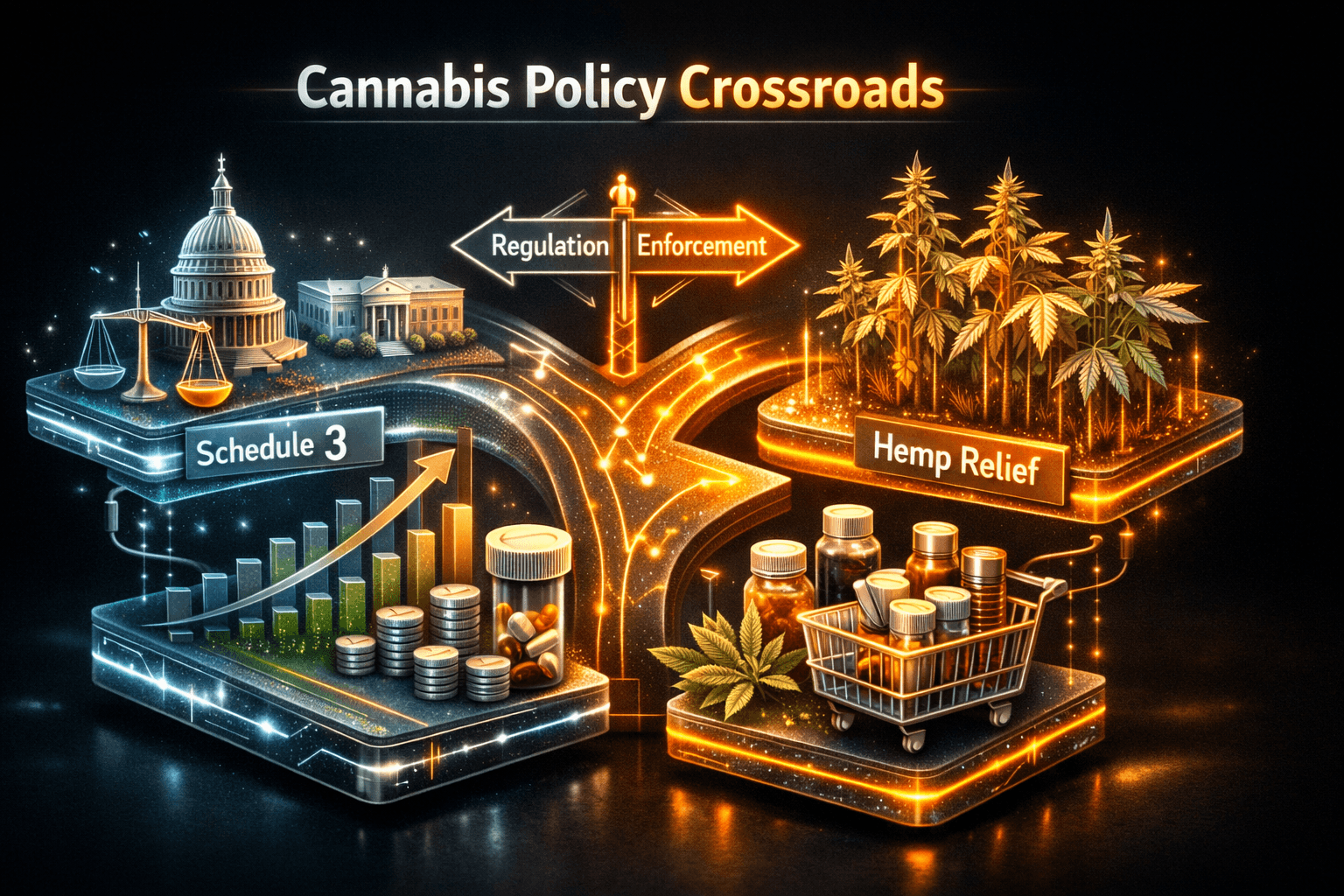
The biggest development over the holiday weekend was policy, not earnings. Federal action on cannabis showed forward motion, but the White House strategy and local pressures left the sector at a crossroads.
That matters because policy direction determines market structure, banking access, and product legality across states. If you follow cannabis stocks, you should care about how quickly federal rules translate into concrete regulatory changes and enforcement priorities.
Market Highlights
U.S. equity markets were closed Sunday, May 10. The last trading day was Friday, May 8, and the next session opens Monday, May 11. No U.S. stock moves are being reported for Sunday.
- Policy headlines dominated weekend coverage: the White House released a new drug strategy and federal rescheduling steps drew commentary from advocates and policy groups.
- Congressional outreach picked up in Virginia as lawmakers pledged assistance to hemp farmers facing federal THC product restrictions, highlighting near-term regulatory risk for hemp supply chains.
- Consumer-facing momentum continued with new product and brand launches timed around Pride Month and Mother’s Day, reflecting steady retail and cultural engagement.
- Names and tickers to watch as policy plays out: $MSOS, $TCNNF, $GTBIF, $CURLF, $TLRY. These ETFs and large-cap names typically lead sentiment and sector flows heading into policy changes.
Key Developments
White House Drug Strategy Signals Mixed Messaging
The administration released a strategy that on one hand liberalizes access and on the other emphasizes the dangers of broader cannabis use. Analysts and advocacy outlets flagged internal tensions, noting the language both acknowledges state medical programs and warns against liberalization without safeguards.
For investors, mixed messaging means uncertainty about enforcement priorities and the timeline for any federal rule changes. You should expect ongoing debate and incremental guidance rather than an immediate, sweeping shift.
Rescheduling Seen as Progress, But Not the Endgame
Federal rescheduling of state-authorized medical cannabis products drew praise as a meaningful step. Opinion pieces from advocacy groups framed it as historic but incomplete, saying rescheduling falls short of removing cannabis from the Controlled Substances Act completely.
This development reduces one layer of legal friction for medical programs, but analysts note it doesn’t resolve banking, taxation, or interstate commerce issues. If you're tracking structural reform, rescheduling is a milestone, not a finish line.
Hemp Farmers Face Headwinds, Lawmakers Respond
In Virginia, a congressman pledged help to hemp farmers confronting a looming federal THC product ban and state marijuana law changes. The story underscores how federal policy moves can create acute local impacts for growers and processors.
Operational and supply chain risk is real for companies tied to hemp-derived products. If you're invested in exposure to that segment, watch for relief programs and legislative fixes that may follow constituent pressure.
What to Watch
Here are the items that will likely move sentiment and flows when markets reopen Monday. Keep your focus on regulatory milestones and company-level responses.
- Regulatory follow-through, not headlines. You’ll want to see concrete rulemaking, guidance memos, or enforcement changes from federal agencies that clarify rescheduling implications for banking and interstate commerce.
- Congressional and state action. Expect more constituent pressure and potential bills aimed at hemp relief or clarifying state-federal conflicts. Watch committee calendars and bill text closely.
- Operational impacts for hemp supply chains. Companies and farmers will likely seek clarifying letters or temporary relief. Monitor trade groups and state agriculture offices for announcements that could ease near-term constraints.
- Consumer demand signals. New product launches, like the Pride month line expanding in Illinois, and cultural coverage around Mother’s Day keep retail engagement alive. Watch retail sales reports and dispensary restock patterns for real demand confirmation.
- Tickers to watch as policy unfolds: $MSOS, $TCNNF, $GTBIF, $CURLF, $TLRY, which often lead flows into cannabis strategies and will reflect sentiment shifts quickly.
- Earnings and company updates next week. Several operators may issue commentary tying recent policy moves to capital plans or rollout timelines, so read earnings releases and management remarks closely.
Bottom Line
- Federal rescheduling and a new White House drug strategy represent progress but introduce mixed signals, so expect a period of policy noise and gradual clarification.
- Local impacts matter now, especially for hemp farmers and processors facing THC product restrictions; lawmakers are signaling they’ll intervene.
- Consumer and cultural momentum continues with new product lines and editorial coverage, supporting demand-side stories for the sector.
- If you follow this sector, stay tuned for agency rulemaking, congressional action, and company guidance that translate headlines into concrete outcomes.
- Remember, headlines change quickly; use verified filings and agency releases to confirm policy impacts before making decisions.
FAQ Section
Q: What does federal rescheduling mean for cannabis companies? A: Rescheduling can reduce some legal friction for state medical programs, but it does not remove cannabis from the Controlled Substances Act or resolve banking and interstate commerce challenges.
Q: How might hemp farmers be affected by federal THC product rules? A: Farmers could face tighter testing, crop losses, or market disruptions if THC thresholds and enforcement change; congressional or state relief programs may emerge to mitigate that risk.
Q: Should I expect immediate stock moves when policy headlines drop? A: Not always, because markets often wait for regulatory details and rulemaking; you’ll usually see larger moves when agencies publish guidance or companies report concrete operational impacts.