The Big Picture
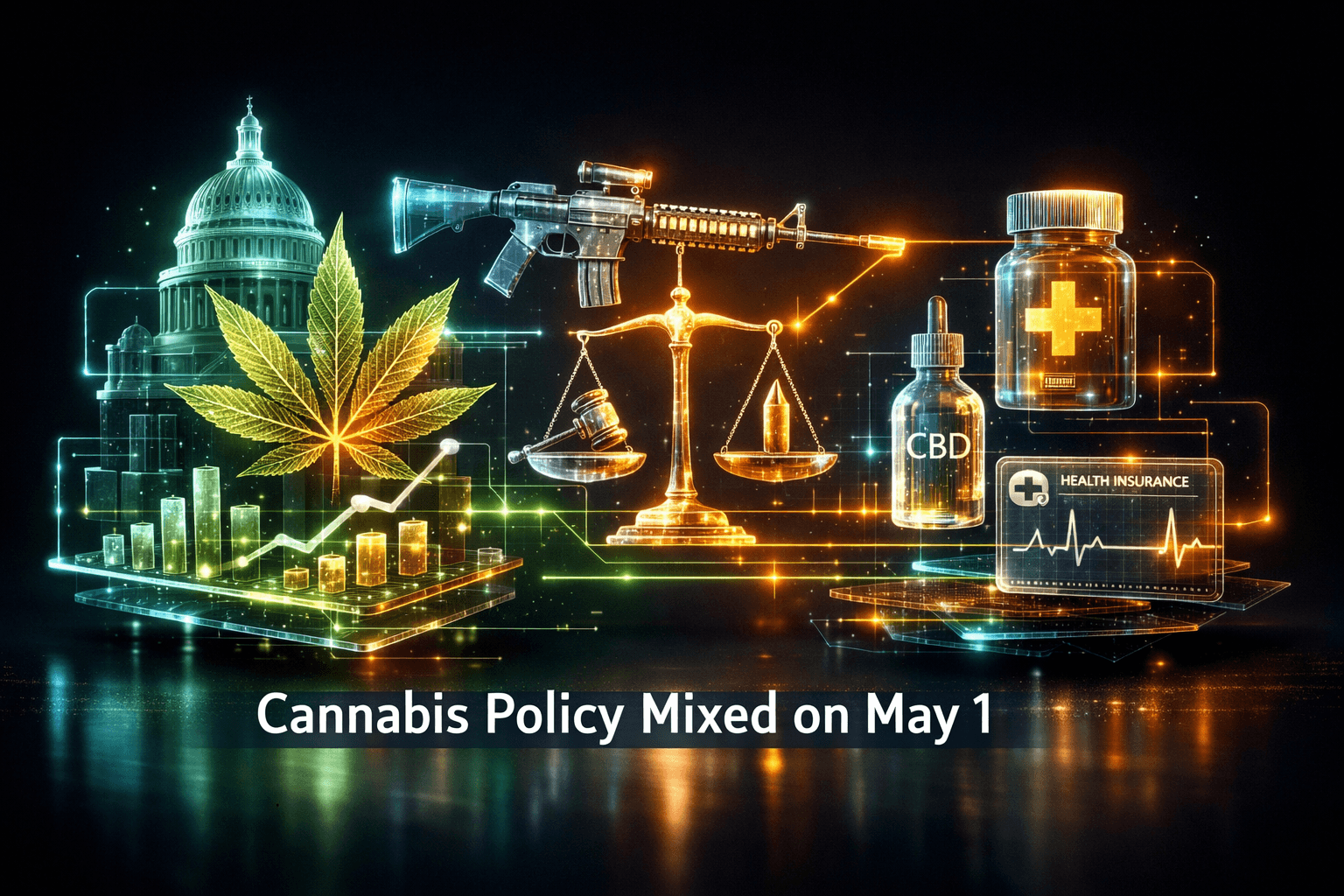
Overnight policy developments left the cannabis sector with a mixed bag of progress and unresolved risk. Lawmakers approved hemp-friendly language in the recent Farm Bill and the Department of Justice is reassessing cannabis and gun prosecutions, steps that ease legal pressure for operators.
At the same time MJBizDaily reports that federal healthcare coverage for hemp CBD is moving forward without enforceable product standards, a gap that could limit insurer uptake and increase product liability risk. For investors this means opportunity and uncertainty coexist, and you need to track both legal momentum and regulatory detail closely.
Market Highlights
Key headlines and quick facts to start your trading day.
- MJBizDaily reported at 10:30 AM ET that federal healthcare coverage frameworks for hemp-derived CBD currently lack enforceable product standards, raising safety and reimbursement questions.
- Marijuana Moment's May 1 newsletter, published at 10:14 AM ET, says the DOJ is rethinking cannabis and gun prosecutions, while the Farm Bill passed with hemp provisions and an anti-rescheduling bill is advancing in Congress.
- Sector tickers to watch this morning include $MSOS, $TCNNF, $GTBIF, $CURLF, and $TLRY as proxies for ETF flows, MSO performance, and CBD exposure.
- No single overnight headline dominated price action, leaving sentiment balanced between regulatory relief and standards-related risk.
Key Developments
Hemp CBD and Federal Healthcare Coverage
MJBizDaily highlights a crucial gap: healthcare coverage moves for hemp-derived CBD are advancing without clear, enforceable federal product standards. That creates questions about which products qualify for reimbursement, how quality will be verified, and who bears liability if products fail to meet clinical safety expectations.
For you as an investor, the implication is twofold. First, companies with robust testing and traceability may gain a competitive edge. Second, insurers and pharmacy channels may delay broad adoption until standards are clarified, which could slow revenue upside tied to healthcare coverage.
DOJ Rethink on Cannabis and Firearm Prosecutions
Marijuana Moment reports the DOJ is revising how it approaches prosecutions linking cannabis use and firearm ownership. That policy shift would lower certain criminal enforcement risks for licensed operators and individual employees, improving the regulatory backdrop for the sector.
This is a positive step for multi-state operators and ancillary businesses that have worried about federal enforcement of firearms laws. If you're watching regulatory risk premiums in valuations, this is a constructive development to monitor closely.
Congressional Moves: Farm Bill and Rescheduling Momentum
The Farm Bill passed with hemp provisions that support cultivation and commerce of hemp-derived cannabinoids. Separately, an anti-rescheduling bill is advancing in Congress, and Senate activity continues to spotlight reform paths, including hearings that touch on broader drug policy themes.
These legislative threads increase the probability of incremental federal clarity. But until binding product standards and implementing rules arrive, market reaction will likely stay measured. How fast will regulators move to codify standards, and will insurers require them before covering CBD? Those questions remain open.
What to Watch
Focus on near-term catalysts and risks that could move prices and sentiment.
- Regulatory clarifications from FDA or HHS on hemp-derived cannabinoid product standards. If you follow policy calendars, watch for draft guidance or rulemaking timelines announced this quarter.
- DOJ guidance on gun-related prosecutions and any Department memos that clarify enforcement priorities. A formal memo could materially reduce legal uncertainty for operators and employees.
- Congressional action on the anti-rescheduling bill and any Senate committee hearings that signal momentum. Legislative text and amendments will determine the scope of change.
- Corporate earnings and disclosures from major players with CBD exposure, including $CURLF and $TLRY, for revenue commentary tied to healthcare channels.
- Sector ETFs and sentiment proxies: $MSOS, $TCNNF, and $GTBIF, which often show flows before individual names move. Watch volume and relative strength for early signals of rotation.
- Product quality and testing announcements, posted recalls, or insurer pilot programs. These operational items may determine whether healthcare coverage expands quickly or stalls.
Bottom Line
- Policy momentum is real, with DOJ re-evaluations and hemp-friendly Farm Bill provisions reducing some federal enforcement risks.
- At the same time, lack of enforceable federal product standards for hemp CBD introduces insurance, safety, and reimbursement uncertainty that could slow healthcare channel adoption.
- If you're holding or watching cannabis names, focus on companies with clear quality controls, testing data, and insurer engagement, because they may navigate the standards gap better.
- Monitor DOJ guidance, FDA or HHS standard-setting activity, and congressional text closely, since those catalysts will likely move valuations.
- This briefing is for informational purposes only. Analysts note these developments change the regulatory landscape but do not constitute investment advice.
FAQ
Q: What does a lack of federal product standards mean for CBD companies? A: It means companies may face uneven insurer uptake, potential liability exposure, and market fragmentation until standards and testing requirements are defined.
Q: How could DOJ changes to gun prosecution policy affect operators? A: A formal DOJ shift would reduce federal criminal risk linked to firearm possession, easing operational concerns for licensed employees and management, and could lower perceived legal risk for some firms.
Q: Which events should I watch next week for clearer direction? A: Watch for any FDA or HHS announcements on hemp standards, DOJ memos clarifying enforcement priorities, and congressional committee actions on rescheduling or hemp legislation, because those will shape near-term sentiment.