The Big Picture
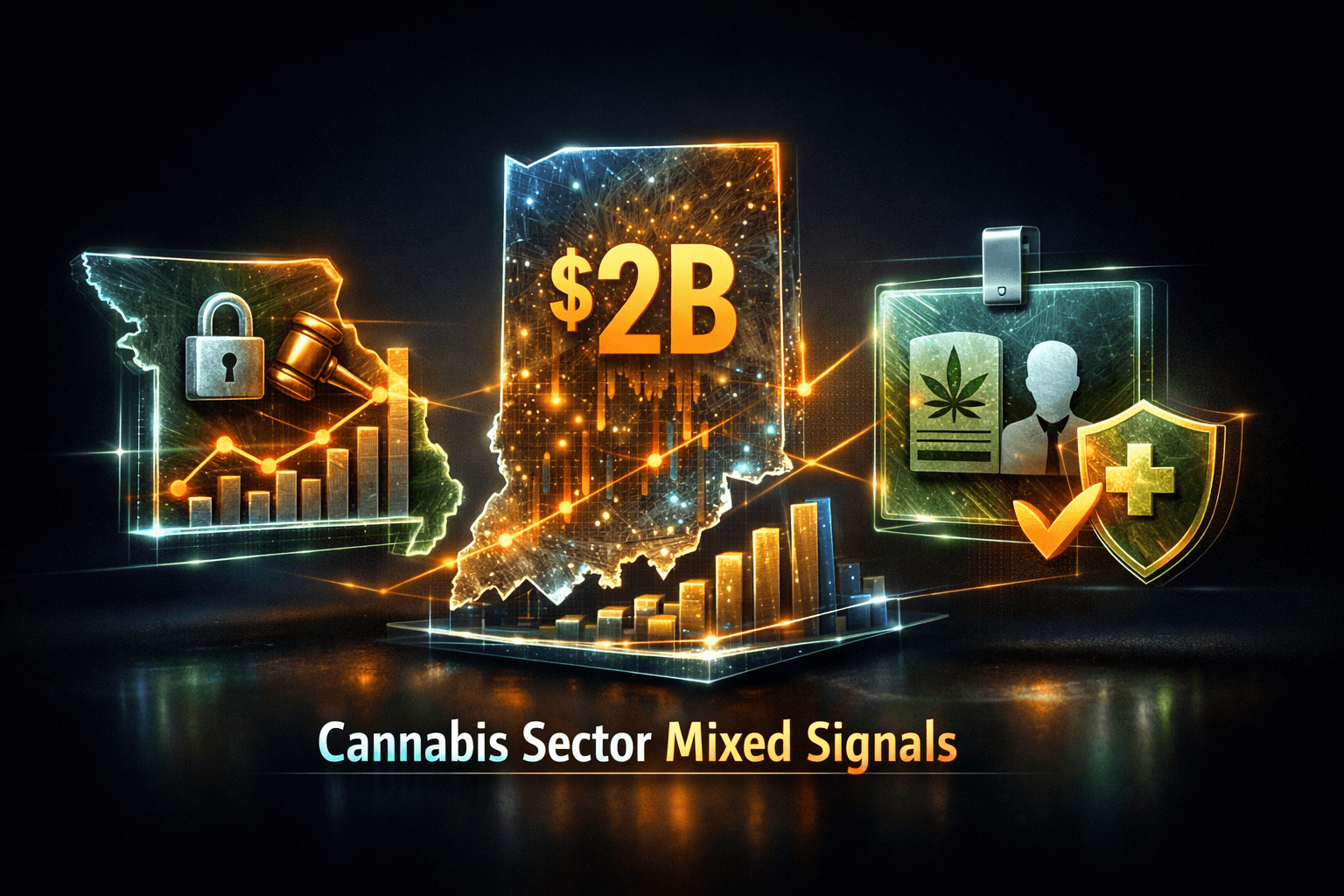
The cannabis sector opens Apr 30 with a mix of legal risk, evidence of persistent consumer demand, and modest regulatory progress. A class action in Missouri accuses a set of operators of creating a de facto cartel, a development that could reshape licensing dynamics and competitive pressures in a key state market.
At the same time a RAND-commissioned report shows Indiana residents spend nearly $2 billion on cannabis annually despite prohibition, and Maryland signed a law protecting off-duty medical cannabis use by fire and rescue employees. So you have a story about concentrated market risk, a clear demand signal, and state-level policy change all on the same day. What does that mean for operators and investors? Read on for specifics and what to watch today.
Market Highlights
U.S. equity markets are open today and these sector developments may influence trading in cannabis names and ETFs. The headlines do not include reported intraday price moves tied to the stories, so you should monitor prices in real time for reactions.
- Demand signal: A RAND study, commissioned by the Richard M. Fairbanks Foundation, estimates Indiana residents spend about $2 billion a year on cannabis despite neither medical nor adult-use legalization.
- Legal risk: A class action filed in Missouri alleges a concentrated group of dispensary license holders exercises undue market control, potentially inviting enforcement scrutiny and litigation-driven disruption.
- Regulatory change: Maryland Governor Wes Moore signed a bill protecting off-duty medical cannabis use for fire and rescue public safety employees, a narrow but notable expansion of workplace protections.
- Stocks and ETFs to watch: $MSOS, $TCNNF, $GTBIF, $CURLF, $TLRY, these remain primary tickers for tracking market reaction and sector flows today.
Key Developments
Missouri class action alleges dispensary 'cartel'
The lawsuit, filed by licensed cultivators CPC of Missouri-Smithville LLC and GF Saint Mary LLC, claims a group of operators including Good Day Farm hold or control an illegally high share of dispensary licenses and use that power to manipulate the market. Plaintiffs allege unfair competitive practices that have depressed prices for independent growers and limited retail access.
For investors this raises questions about state-level licensing integrity and potential shifts in market share if courts or regulators intervene. Litigation could force reallocation of licenses or create compliance costs that ripple through local supply chains, so you should watch legal filings and any regulatory investigations closely.
Indiana study shows robust consumer spending despite prohibition
The RAND report suggests Indiana residents spend nearly $2 billion annually on cannabis even though the state has not legalized medical or adult-use sales. The study also notes the state currently spends between $10 million and $20 million a year enforcing cannabis laws, while potential tax revenues from legalization could be substantial.
This is a classic supply and demand signal, and it underscores why legalization advocates and market participants argue state-by-state reform could unlock large new revenue pools. For investors you should consider how continued consumer demand in prohibition states could influence future policy debates and market expansion opportunities.
Maryland protects off-duty medical cannabis use for public safety workers
Governor Wes Moore signed legislation preventing employers of fire and rescue public safety employees from disciplining staff who use medical cannabis while off duty and hold medical cannabis ID cards. The law addresses workplace discrimination and aims to balance public safety with medical accommodation.
This is a targeted but meaningful regulatory development. It may serve as a precedent for other states considering medical-use workplace protections, and it reduces one legal friction point for certain employers and employees. You should watch whether other state legislatures adopt similar measures.
What to Watch
Today you'll want to track legal, policy, and demand indicators that could move cannabis names and ETFs. Real-time price action will tell you how the market interprets these stories.
- Missouri litigation timeline: Monitor court filings, any emergency motions and statements from named companies. A favorable ruling for plaintiffs could pressure local operators and open regulatory reviews.
- State policy momentum: Look for legislative activity in neighboring states and statements from trade groups that might cite the Indiana spending data. Could that $2 billion figure accelerate local reform debates?
- Corporate disclosures: Watch filings and press releases from public operators with Missouri exposure or supply contracts in the state. Also watch announcements from companies that operate in Maryland as they clarify workplace policies.
- ETF and large-cap flows: Track flows and price moves in $MSOS, $TCNNF, $GTBIF, $CURLF, and $TLRY for signals about investor sentiment. These tickers often lead sector moves and you should watch volume alongside price.
- Risk factors: Litigation, shifting license rules, and enforcement actions could create volatility. Also watch federal policy headlines since any change in federal enforcement or banking rules would alter the sector landscape.
Bottom Line
- Today’s headlines offer mixed signals: litigation in Missouri creates near-term legal risk while the RAND study and Maryland law point to persistent demand and incremental policy progress.
- You should treat the Missouri class action as a state-specific concentration risk that could affect local operators and partners in the supply chain.
- The $2 billion annual spending estimate for Indiana highlights latent consumer demand that could fuel future legalization discussions and long-term revenue opportunities.
- Watch $MSOS, $TCNNF, $GTBIF, $CURLF, and $TLRY for market reaction and fund flow signals, and monitor volume for conviction.
- Stay alert to court filings and state legislative calendars. Data suggests policy change will often follow measurable demand, but timing is uncertain.
FAQ Section
Q: How could the Missouri class action affect public cannabis companies? A: Litigation could pressure operators with Missouri exposure through legal costs, license reviews, or forced divestitures, and analysts may re-evaluate revenue assumptions for affected firms.
Q: Does the Indiana $2 billion figure mean immediate market expansion? A: No, the figure highlights demand but does not cause legalization. It does show potential revenue upside if policymakers change course, which you should monitor over time.
Q: Will Maryland’s law lead to more workplace protections elsewhere? A: Possibly, yes. The law is a narrow precedent for protecting medical cannabis users in safety-sensitive roles and could be cited in other states considering similar workplace accommodation bills.