The Big Picture
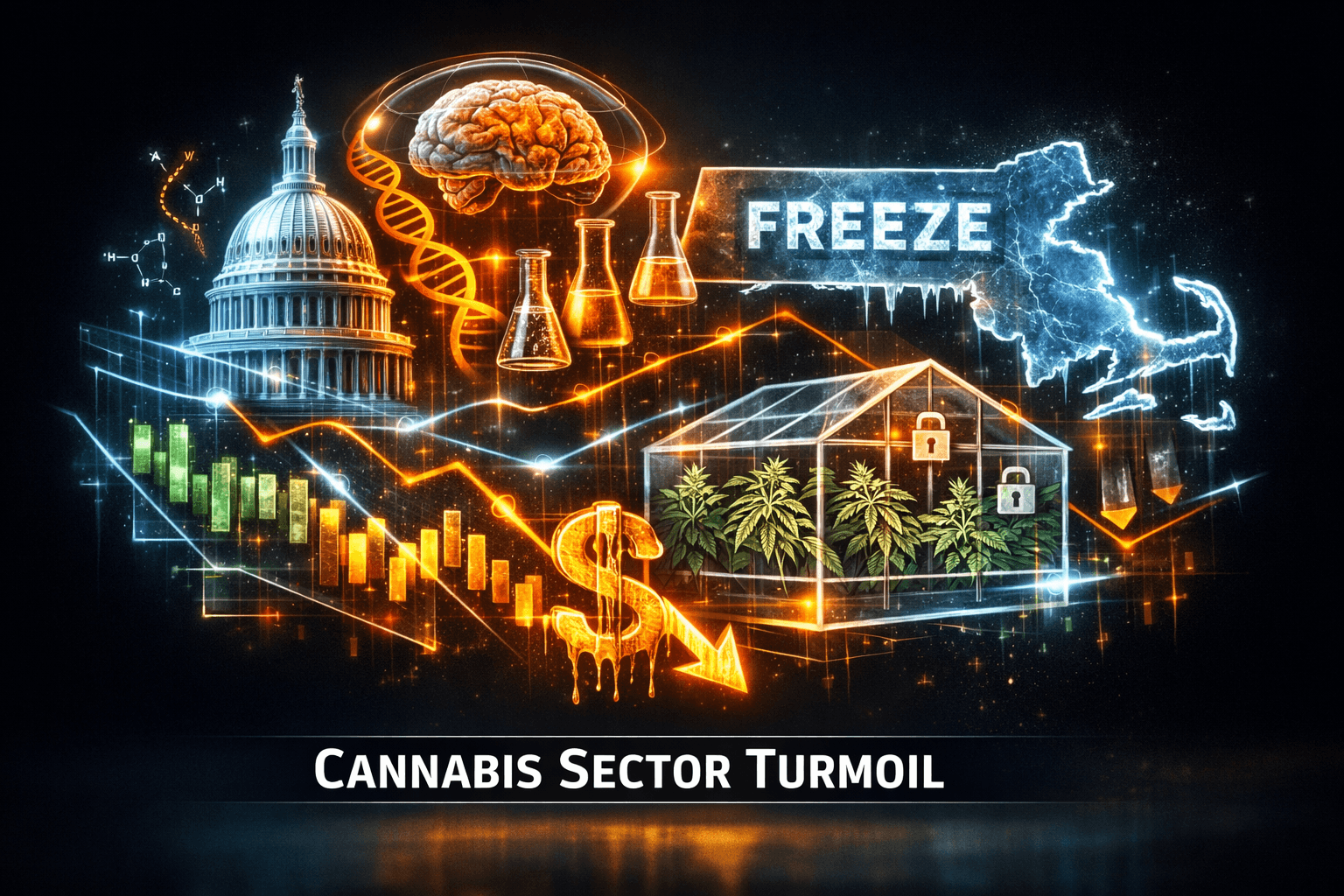
Federal policy made the biggest headlines over the weekend when an executive order signed April 18 elevated psychedelics as a federal research priority and directed $50 million toward ibogaine research. That move signals a potential shift in Washington from criminalization to clinical investigation, and it matters because federal backing can unlock research partnerships and private capital for clinical-stage companies.
At the same time you need to factor in state-level enforcement and market realities. Colorado announced a crackdown on illicit hemp product sales, and Massachusetts voted a four-month cultivation licensing freeze to address tumbling flower prices. The result is a mixed bag for the broader cannabis ecosystem, with policy upside in psychedelics but headline regulatory risk for traditional cannabis and hemp markets. Markets were closed on Sunday, and the last trading day was Friday, April 17.
Market Highlights
Quick facts and numbers to keep on your radar as you review your exposure heading into the long weekend.
- Federal psychedelics push: President Trump signed an executive order on April 18 to accelerate research and clinical access to psilocybin, MDMA, LSD and others, including a $50 million allocation for ibogaine research.
- Pre-roll growth: A Headset-backed report found U.S. pre-rolls generated $3.6 billion in revenue in 2025, with roughly 383 million units sold, making pre-rolls the largest product category last year.
- Massachusetts pricing pressure: Regulators cited a drop in flower prices, with the average price around $14 for an eighth, and approved a four-month moratorium on new cultivation licenses beginning June 16 to address oversupply.
- State enforcement signs: Colorado regulators warned of ‘‘risks to public safety, market integrity and the tax revenue framework’’ as they target illegal hemp product sales.
- Sector trackers to watch as you follow headlines: $MSOS, $TCNNF, $GTBIF, $CURLF, $TLRY. These names remain primary reference points for cannabis and related psychedelics exposure as of Friday, April 17.
Key Developments
Federal Psychedelics Push
The April 18 executive order fast-tracks research and aims to broaden clinical access to psychedelics for patients with mental health conditions. Advocates such as MAPS and some clinicians expressed cautious optimism, while officials say implementation and study design will be the hard part.
For investors, the practical implication is more federal funding and visibility for clinical programs. That could accelerate partnerships between biotech firms and research centers, but the timeline and regulatory details remain uncertain, so you should expect phased progress rather than immediate commercialization.
State Enforcement and Kratom Concerns
Colorado’s regulatory move targets companies selling hemp-derived products that the state says undermine product safety and tax frameworks. Separately, kratom and its active metabolite 7-OH are drawing renewed scrutiny, with bans spreading in some jurisdictions.
These actions highlight divergent policy directions, where federal research openness can coexist with tighter enforcement at the state level. If you hold exposure to hemp, CBD or botanical supplement businesses, watch for tightening compliance costs and shifting retail access in key states.
Market Dynamics: Pre-rolls and a Massachusetts Freeze
Industry data show pre-rolls emerged as the top product category in 2025, a structural demand trend that many operators have leaned into. That consumer preference is a bright spot amid otherwise soft pricing for flower.
Regulators in Massachusetts authorized a four-month moratorium on new cultivation licenses starting June 16 to address low prices and oversupply. The freeze may help stabilize prices regionally, but it also underscores how oversupply and falling flower prices are immediate headwinds for margins.
What to Watch
Here are the concrete catalysts and risks you should monitor in the coming weeks and months.
- DOJ and rescheduling timeline, and any formal guidance on marijuana rescheduling. President Trump publicly complained that progress is slow, so you should watch for concrete dates from the Department of Justice.
- Implementation details for the psychedelics executive order, funding disbursement plans and research partnerships. Will federal funds flow to clinical-stage companies or primarily to government and academic trials?
- Massachusetts license freeze effects, beginning June 16. Will supply contraction translate into firmer prices and improved margins locally?
- Compliance and enforcement in Colorado targeting hemp sellers and evolving kratom policy. Expect increased regulatory scrutiny and possible changes to retail availability and labeling requirements.
- Sector trackers and names: $MSOS, $TCNNF, $GTBIF, $CURLF, $TLRY. Follow earnings, earnings commentary and any corporate statements about exposure to psychedelics, hemp or pre-roll strategies.
- Market liquidity and investor sentiment as you position for potential volatility once U.S. markets reopen on Monday, April 20.
Bottom Line
- Federal policy is opening new pathways for psychedelics research, which could benefit clinical-stage players, but you should expect a slow and staged rollout of funding and trials.
- State-level enforcement and licensing freezes show that traditional cannabis and hemp operators face immediate regulatory and price pressures.
- Pre-rolls are a structural growth area, generating $3.6 billion in 2025, and may offer some upside for operators focusing on convenient formats.
- Watch DOJ rescheduling timelines, Massachusetts enforcement effects starting June 16, and Colorado compliance actions for signs of broader market impact.
- Data suggests mixed signals across the sector, so a selective approach to exposure remains prudent and analysts note policy execution will be a key determinant of outcomes.
FAQ Section
Q: What does the federal psychedelics executive order mean for cannabis companies? A: The order prioritizes research funding and clinical access for psychedelics, increasing federal support for trials. Cannabis companies with psychedelic R&D or partnerships could see more collaboration opportunities, but commercialization timelines remain uncertain.
Q: How will the Massachusetts cultivation freeze affect prices and supply? A: The four-month moratorium starting June 16 aims to curb oversupply that has pushed flower prices down to roughly $14 for an eighth. The freeze may ease price pressure locally, but broader market effects will depend on how many operators reduce output.
Q: Should you worry about state crackdowns like Colorado’s hemp enforcement? A: Yes, state enforcement can materially affect distribution, compliance costs and tax revenue frameworks. If you have exposure to hemp or CBD segments, monitor regulatory actions and potential tightened retail rules.
Investment disclaimer: This article provides market analysis and reported facts for informational purposes only. It does not constitute investment advice or a recommendation to buy, sell or hold any security. Analysts note that policy execution, regulatory changes and market dynamics will materially affect outcomes.