The Big Picture
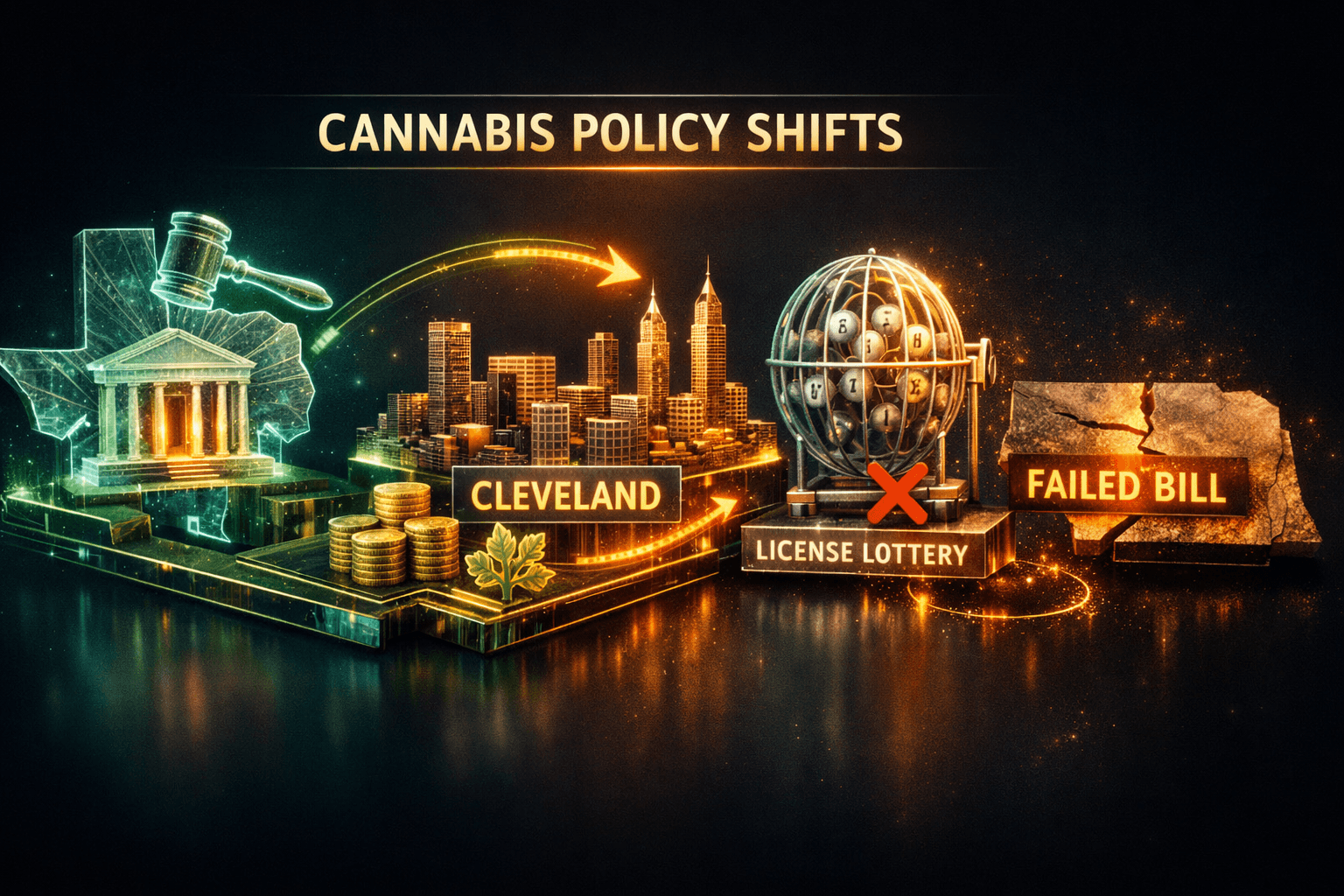
Court rulings and state-level policy fights are shaping the cannabis sector this weekend, but not in a single direction. On one hand, Texas judges have temporarily blocked rules that would curb hemp-derived smokable products, while Cleveland officials are planning to steer marijuana tax dollars toward neighborhood projects.
On the other hand, a federal judge halted Rhode Island's retail license lottery amid residency challenges, and a Nebraska bill to protect doctors who recommend medical cannabis failed. These mixed developments create both opportunities and uncertainty you should track heading into the new trading week.
Market Highlights
Markets were closed Sunday, April 12. Price references below reflect conditions heading into the long weekend, with the last U.S. trading day on Friday, April 10.
- $MSOS, the broad cannabis ETF, remained a primary gauge for sector flows, trading mixed into the weekend as policy headlines drove short-term rotation.
- Key large-cap names to watch include $TLRY and $CURLF, which have been volatile on regulatory news, while Canadian-focused names such as $GTBIF and U.S.-listed multi-state operators showed uneven momentum.
- $TCNNF and other U.S. names saw selective buying in segments benefited by hemp-friendly rulings, though liquidity often tightened late in the week.
Key Developments
Rhode Island License Lottery Blocked
A federal judge has blocked Rhode Island's plan to award roughly 20 new retail marijuana licenses via lottery after legal challenges to residency rules. Nearly 100 applicants were in the running when the court intervened, which pauses the state's licensing rollout and creates timing uncertainty for market entrants and local investments.
For investors, the ruling highlights legal risk in state licensing processes and the potential for delays in market expansion. Companies pursuing new retail footprints or partner deals in Rhode Island may see timelines slip and should prepare for protracted legal resolution.
Texas Courts Pause Ban on Smokable Hemp Products
In two related developments, a Texas judge issued a temporary restraining order stopping enforcement of new rules that would have banned smokable hemp products such as THCA flower, and industry groups filed a lawsuit seeking to block the ban. The court action came after the rules were enacted March 31 and follows a coalition challenge from hemp stakeholders.
This is a near-term win for hemp producers and retailers, and it could preserve retail distribution channels that some companies view as high-margin. It also underscores how litigation can shape market access and product shelf space overnight, at least until final rulings are issued.
Nebraska Medical-Provider Protections Fail
Nebraska lawmakers declined to pass a bill that would have given doctors explicit legal protections for recommending patients to the state's medical cannabis program. The proposal had initial approval but stalled amid opposition.
The vote signals continued political friction in states where medical markets are still developing. Lack of clear provider protections can slow patient enrollment and constrain medical market growth, which may weigh on companies focused on medical distribution in conservative states.
What to Watch
There are several near-term catalysts and risk points that could move sector sentiment and individual names next week. Stay attentive to legal calendars, state agency statements, and municipal budget votes.
- Rhode Island litigation and any related injunctions or appeals, which will determine when the blocked license lottery resumes.
- Texas court proceedings and filings from the hemp industry coalition, as a final ruling could either restore or permanently change market access for smokable hemp products.
- Municipal and state budget decisions, including Cleveland council votes on directing marijuana tax revenue to neighborhood projects, which could influence local demand and community support for operators.
- Regulatory and legislative developments in other states where provider protections or licensing rules are under debate.
- Watch these tickers for headline sensitivity: $MSOS, $TCNNF, $GTBIF, $CURLF, $TLRY. They often lead or reflect flow changes when policy news breaks.
How should you monitor these items? Track court dockets, local council agendas, and official agency notices, and be prepared for quick reassessments if rulings or votes come down while markets are open.
Bottom Line
- Mixed legal and policy outcomes across states leave the sector with balanced upside and downside near term.
- Texas rulings temporarily preserve market access for some hemp products, which could benefit producers and retailers if sustained.
- Rhode Island and Nebraska setbacks show that licensing and provider protections remain contentious and can delay growth.
- Municipal reinvestment plans like Cleveland's may improve community support and long-term demand, but they'll take time to affect revenues.
- Follow court schedules and local legislative calendars closely, and reassess exposure when specific rulings or votes occur.
FAQ Section
Q: What does the Texas court ruling mean for hemp-derived smokable products? A: The temporary restraining order pauses enforcement of the new ban, keeping those products available while the legal challenge proceeds, and it preserves current retail channels for now.
Q: How does Rhode Island's blocked lottery affect companies planning to enter the state? A: The injunction delays license awards and creates uncertainty about timing and eligibility, so companies should expect timeline shifts and possible legal appeals.
Q: Will Cleveland's proposal to use marijuana tax revenue change demand for cannabis companies? A: Using tax dollars for neighborhood projects is more about local reinvestment than direct sales, but it can improve community relations and indirectly support a favorable operating environment over time.