
 Alpha Breaking
Waller Says Fed Shouldn't Fight Last War On... - Jul 13
Share this article
Spread the word on social media
The Big Picture
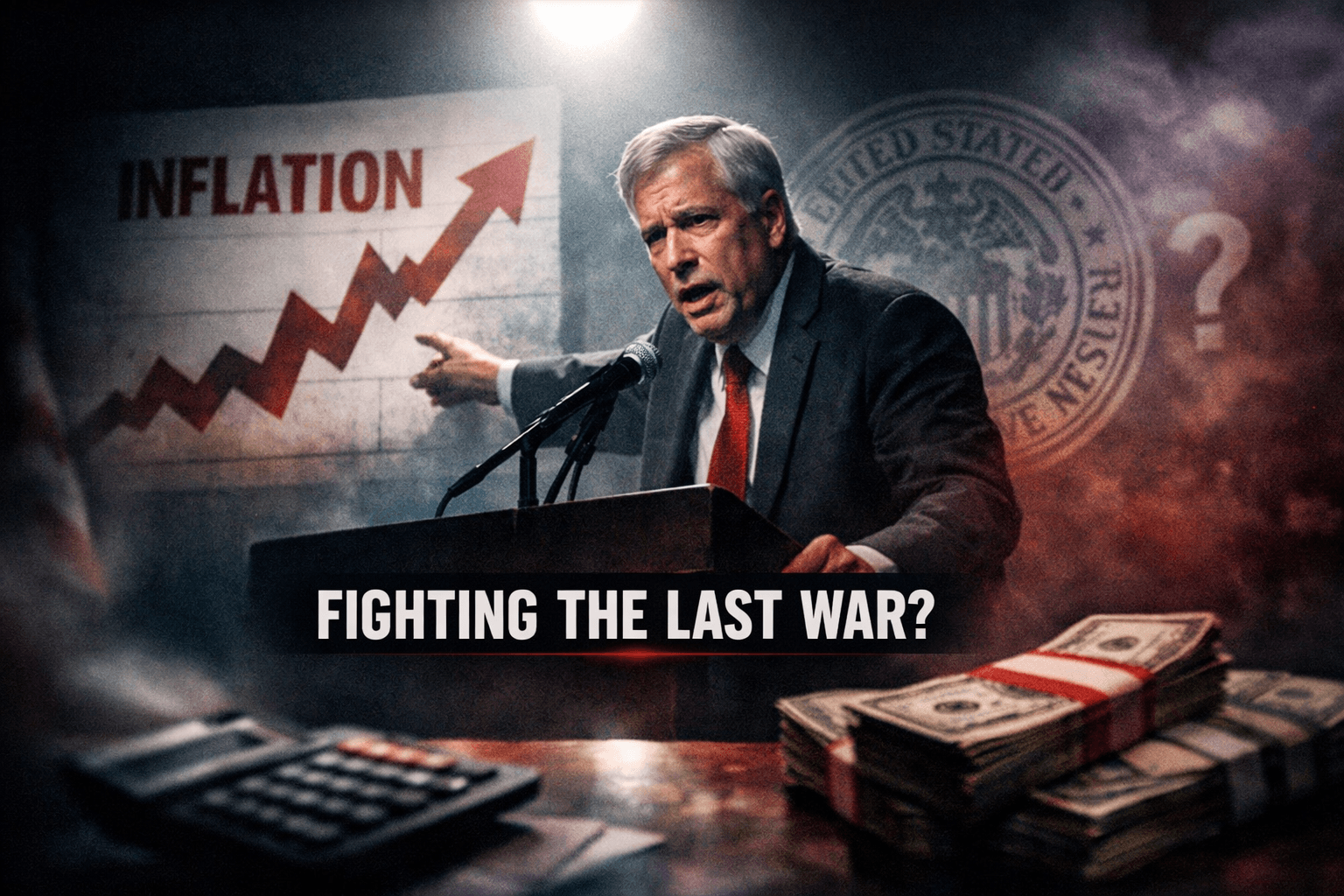
Fed Governor Christopher Waller told markets the central bank should not "fight the last war" on inflation while cautioning that more rate hikes remain possible, a development that raises the bar for risk assets and bonds. For investors, that means higher interest-rate risk may stick around even as the Fed debates when to pivot.
Waller's comments landed on Jul 13, 2026 and add uncertainty to a market already sensitive to inflation impulses and central bank messaging. The message is clear, policy could tighten again if inflation stays elevated around key levels such as 2.5%.
What's Happening
Waller said inflation dynamics have broadened beyond traditional drivers like energy spikes and tariffs, suggesting a more complex path back to price stability. He backed the recent decision to hold rates but explicitly left room for stiffer action if data require it.
- 2.5% — a cited reference point investors are watching as an inflation threshold tied to policy decisions.
- Jul 13, 2026 — the date Waller's remarks were reported and which moved market attention to Fed communications.
- 2026 — the year in which commentary from Fed officials and inflation readings are shaping expectations for further hikes or cuts.
- 1 — the number of key takeaways many market participants will take from Waller: don’t assume the Fed is done tightening.
Market commentary following Waller's remarks reflected growing caution. Analysts including commentary summarized by MarketWatch said inflation is "not coming down as fast as I thought," reinforcing the view that the Fed could tighten further if inflation does not decelerate. That creates a scenario where even a policy hold can be perceived as conditional rather than final.
Why It Matters For Your Portfolio
Waller's warning matters because Fed guidance directly affects interest rates, valuations, and sector leadership. If markets repriced to a higher-for-longer rates environment, growth and long-duration assets would face pressure while financials and cash-sensitive sectors could react differently.
Who should pay attention? Traders and growth investors will watch volatility and rate-sensitive multiples. Income and value investors should monitor yield curve moves. Analysts note that Waller's stance keeps a tightening path on the table, so anyone with duration exposure needs to assess sensitivity to rates.
Risks To Consider
- Policy Re-tightening Risk: If inflation remains near or above 2.5%, the Fed could deliver additional rate hikes, pressuring equity multiples and bond prices.
- Growth Slowdown Risk: Stronger tightening cycles increase the chance of an economic slowdown, which would hit cyclical sectors and small caps harder.
- Communication Risk: Mixed signals across Fed officials could amplify market volatility, making timing and sizing of positions more difficult for investors.
What To Watch Next
Investors should track incoming inflation data and Fed commentary closely. Waller's remarks mean the market will be watching both headline and core inflation metrics, as well as any signs of persistence beyond one-off drivers.
- Upcoming CPI and PCE prints, which will help determine whether inflation is moving toward or away from the 2.5% reference point.
- Any further Fed speeches that clarify whether officials see current conditions as transitory or persistent.
- Yield curve moves and real-time pricing of Fed funds futures, which will reflect whether markets expect additional hikes.
The Bottom Line
- Waller's comments signal the Fed may still raise rates if inflation remains broad-based, raising rate risk for portfolios.
- Investors should monitor inflation readings versus the 2.5% threshold and Fed communications for signs of policy tightening.
- Rate-sensitive growth names face elevated volatility while some financials may benefit from higher short-term rates.
- Given the uncertainty, position sizing and duration management are key for navigating potential market moves.
FAQ
Q: How should I react to Waller's comments about not "fighting the last war" on inflation?
A: Treat the remarks as a reminder that Fed policy is data dependent. You should review your exposure to interest-rate sensitive assets and consider whether your portfolio's duration risk matches your tolerance for volatility.
Q: Does Waller's warning mean a recession is coming?
A: Not necessarily. The warning raises the probability of tighter policy if inflation proves persistent. A recession is one possible outcome of a more aggressive tightening cycle but it is not an inevitable result solely from this comment.
Q: What indicators will show whether the Fed moves again?
A: Watch core inflation measures, payrolls, wage growth, and upcoming Fed commentary. Markets will also track how close inflation readings remain to levels like 2.5% as a practical guide for policy action.