
 Alpha Breaking
US.S. to Unveil 'greatest Financial Offensive'... - Aug 24
Share this article
Spread the word on social media
The Big Picture
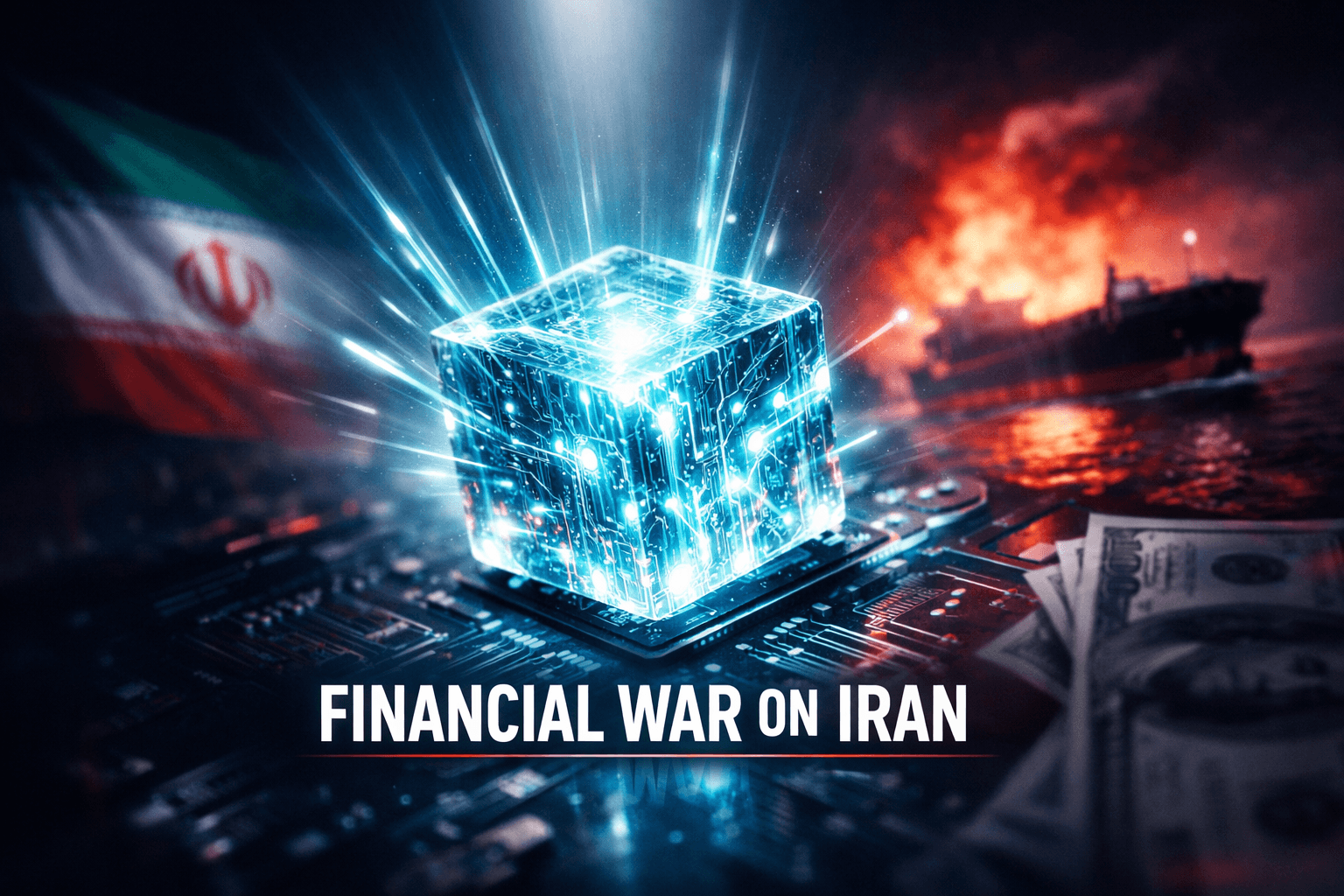
The U.S. is preparing what sources call the "greatest financial offensive" against Iran as Tehran threatens ship seizures, a move that raises near-term geopolitical risk for global markets and certain sectors of your portfolio. The escalation comes after both sides missed a 60-day ceasefire window, closing off the formal truce mechanism to end a six-month war.
For investors, that means elevated volatility and selective exposure management may be prudent, particularly for positions tied to shipping, energy, insurance and banks with Middle East linkages.
What's Happening
Officials say the U.S. will unveil an intensified set of financial measures aimed at Iran, while Tehran has warned of ship seizures in response. Key reported figures and timeline details from the coverage include:
- A missed 60-day ceasefire window, closing the formal truce mechanism, which reduces the immediate diplomatic pathway to de-escalation.
- The conflict has now lasted six months, a duration that keeps geopolitical risk elevated for trade routes and regional supply chains.
- Reported financial figures highlighted in coverage include $438M, figures investors should note when assessing claims or potential compensation or seizure costs.
- Another reported figure is $4.8B, a sum cited in reporting that market participants will watch for potential balance-sheet or sanctions implications.
Each of these facts matters because they directly affect the risk premium investors assign to affected assets. A longer conflict timeline supports higher risk premiums for shipping, insurance and companies with regional operations. The $438M and $4.8B figures are cited in reporting and may feed into future claims, sanctions design or corporate exposures that markets will reprice.
Why It Matters For Your Portfolio
Geopolitical escalation tends to widen bid-ask spreads and increase volatility across multiple sectors. Energy and shipping are the most visible front-line exposures, but banks and insurers can also see rapid repricing if sanctions or seizures accelerate. Traders may respond quickly, while long-term investors need to reassess exposures and stress-test scenarios.
Who should care: growth and sector traders will watch volatility and short-term flows, income investors should monitor insurer and shipping company statements, and value investors will want to track any balance-sheet hits tied to the reported $438M and $4.8B figures. Analysts are tracking developments but no specific analyst ratings were reported in this coverage.
Risks To Consider
- Escalation risk: Further tit-for-tat actions, including threatened ship seizures, could disrupt shipping lanes, increase insurance premiums and push short-term volatility higher.
- Sanctions and financial-conduct risks: An intensified U.S. financial offensive may broaden sanctions or secondary pressure on counterparties, creating compliance and counterparty exposure for some financial institutions.
- Political backlash and reputational risk: Iran has publicly condemned recent U.S. rhetoric, including a reaction to comments labeled by Tehran as endorsing "profitable piracy," which could harden positions and reduce room for negotiation.
What To Watch Next
Investors should track diplomatic signals, sanctions announcements and operational updates from firms with regional exposure. Key items to monitor include:
- Official U.S. announcements detailing the new financial measures and any named targets or secondary sanctions.
- Statements from Iran regarding ship seizures and any reported incidents affecting commercial vessels or cargo.
- Corporate disclosures from shipping firms, insurers and banks on exposure or changes to operations tied to the region.
- Market reactions in insurance spreads, freight rates and energy benchmarks, which will reflect repricing of geopolitical risk.
The Bottom Line
- Escalation between the U.S. and Iran after a missed 60-day ceasefire window raises short-term market risk and could widen volatility across shipping, energy and financials.
- Reported figures of $438M and $4.8B appear in coverage and may factor into future claims, sanctions design or corporate exposures; watch for clarity from official sources.
- Investors should stress-test regional exposures, monitor corporate disclosures and follow official U.S. sanction details before repositioning portfolios.
- Traders may find volatility-led opportunities, while long-term investors should emphasize risk management and wait for clearer signaling on sanctions scope and enforcement.
FAQ
Q: How immediate is the market risk from this escalation?
A: The missed 60-day ceasefire window and six-month conflict duration increase near-term risk, so market volatility could rise quickly; monitor official announcements and operational incidents for immediate impacts.
Q: Which sectors are most exposed?
A: Shipping, energy, insurers and banks with regional links are most exposed; corporate disclosures and insurance premium moves will provide the fastest read for investors.
Q: What do the $438M and $4.8B figures mean for investors?
A: Those figures are reported in coverage and may relate to financial exposures or claims referenced by sources. Investors should await official detail before assuming direct balance-sheet impacts.