
 Alpha Breaking
Paypal Received Money From Philippines, Two Numbers - Mar 26
Share this article
Spread the word on social media
The Big Picture
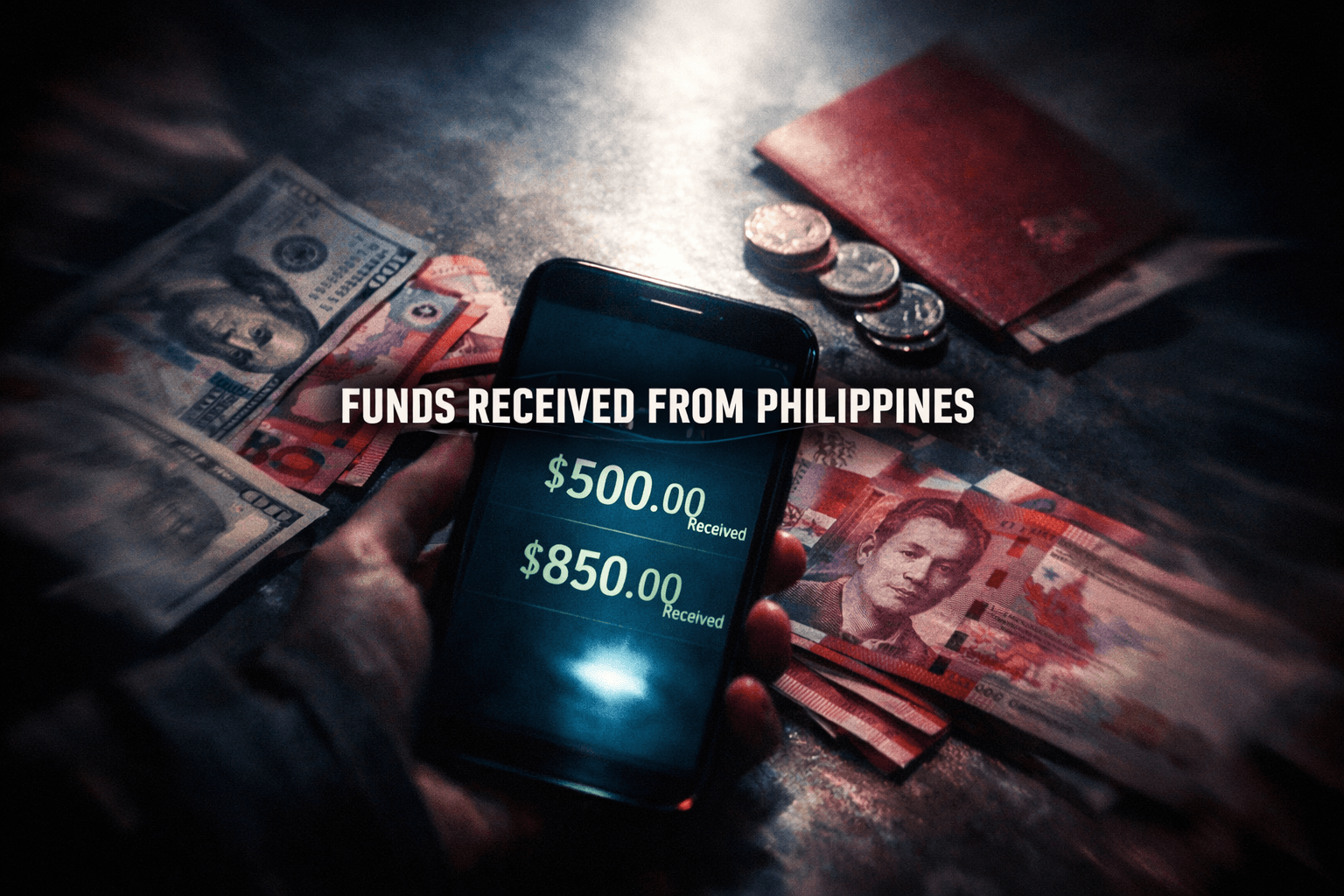
A PayPal account owner reported unsolicited funds arriving from the Philippines, and the listed contact numbers led to what the user calls a "big mistake." This personal account raises fresh concerns about fraud and account security in the payments sector, which can erode consumer trust and increase scrutiny of payments platforms like $PYPL.
The report does not include a corporate response or market reactions, but investors should note that consumer-facing fraud stories can translate into reputational and regulatory risk for payments companies.
What's Happening
MarketWatch published a first-person account under the headline noting unsolicited funds appeared in a PayPal account with contact details tied to the Philippines. The user says they called the numbers and described the outcome as a "big mistake." The account holder also said, "I know my information is on the dark web, and I have taken steps to be cautious."
- 2 phone numbers were listed alongside the incoming payment, according to the report, a detail that prompted the account owner to call.
- 1 PayPal account received the unsolicited payment, as described in the account shared with MarketWatch.
- 1 outbound call was placed by the account owner to the provided numbers, an action the author later labeled a mistake.
- 1 direct quote from the author states their information is on the dark web and they have taken precautions.
Those facts matter because social engineering often begins with unusual or unexpected transactions, and the account holder's decision to call illustrates how consumers can be drawn deeper into schemes after an initial contact. The public account gives investors a concrete example of how operational and consumer-protection issues can surface in everyday use of a large payments platform.
Why It Matters For Your Portfolio
Scams and security lapses affect investor perceptions of the payments sector. Firms like PayPal, represented here conceptually as $PYPL, rely on consumer trust to retain transaction volume and limit dispute expenses. Even isolated incidents can trigger increased customer support costs, higher dispute rates, or regulatory inquiries that pressure margins or growth expectations.
Growth investors who favor fintech and payments companies should monitor whether reports of fraud are rising and how platforms respond. Value investors may watch for reputational hits that temporarily depress multiples. Traders may see heightened volatility around company statements or regulatory developments prompted by consumer complaints.
Risks To Consider
- Fraud Amplification: A single reported incident can signal wider scam patterns, increasing chargebacks and customer support costs for payments firms.
- Reputational Damage: Repeated consumer complaints erode trust, potentially reducing transaction frequency on platforms that depend on user confidence.
- Regulatory Scrutiny: Consumer harm reports can attract attention from regulators focused on fraud prevention and consumer protections, which may lead to compliance costs.
What To Watch Next
There are no company statements in the cited report, so investors should watch for official responses and broader indicators of fraud trends in the sector. Keep an eye on consumer complaint data, company notices on account security measures, and any regulatory actions that reference payment-platform fraud.
- Company Response: Look for an official statement from PayPal if the issue gains traction.
- Consumer Complaint Trends: Monitor filings and public data for increases in account-takeover or unsolicited-payment reports.
- Regulatory Updates: Watch for enforcement actions or guidance focused on payment fraud and consumer protection.
The Bottom Line
- Personal accounts of unsolicited payments and follow-up phone contact highlight practical fraud risks affecting consumer-facing payment platforms.
- Investors should monitor company disclosures and consumer-complaint trends rather than relying on single anecdotes, since broader patterns drive financial impact.
- Operational and reputational effects from fraud can influence costs and regulatory attention for payments firms, factors that matter to portfolio exposure in the sector.
- Review your exposure to payments stocks and watch for verified company responses and data-backed trends before making portfolio moves.
FAQ
Q: Could this kind of report affect PayPal's stock?
A: Yes, consumer-facing fraud stories can influence investor sentiment and potentially lead to short-term volatility, particularly if incidents become widespread or prompt regulatory action.
Q: What immediate steps should users take after seeing an unsolicited PayPal payment?
A: The cited account notes the author took precautions after recognizing their data appeared on the dark web; generally, users should avoid calling suspicious numbers, enable account protections, and report unexpected transactions to the platform through official channels.
Q: Where can investors monitor whether this issue is becoming systemic?
A: Track official company disclosures, consumer complaint databases, and regulatory announcements for signs that similar reports are increasing and impacting the payments sector.