
 Alpha Breaking
Morgan Stanley Sees Fed Holding Rates Despite... - Sep 4
Share this article
Spread the word on social media
The Big Picture
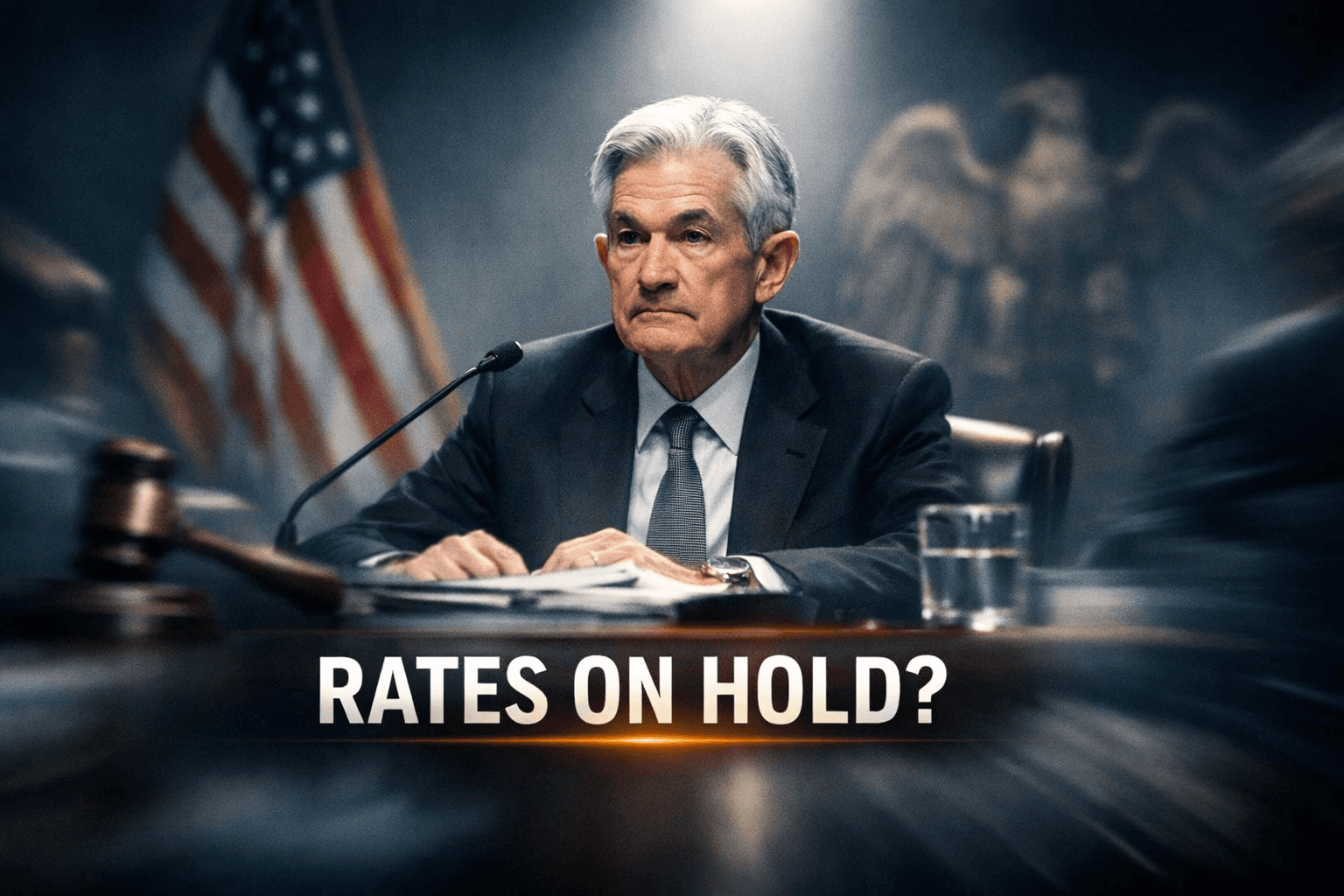
Morgan Stanley sees the Federal Reserve holding interest rates despite a hawkish speech, a conclusion that could keep markets on edge and maintain pressure on rate-sensitive assets. That outlook matters for your portfolio because it signals potential stability in policy path even if the Fed's rhetoric stays firm.
Today is Sep 4, 2026, and the view from a major Wall Street house provides context for near-term positioning across equities and fixed income, particularly for investors sensitive to changes in borrowing costs.
What's Happening
Morgan Stanley's assessment, reported today, is that the Federal Reserve will likely keep policy rates unchanged even after a hawkish public comment from a Fed official. The take is notable because it separates tone from action, implying that stronger language does not necessarily translate into immediate tightening.
- Primary fact: Morgan Stanley sees the Fed holding rates despite hawkish speech, as reported on Sep 4, 2026.
- Date context: Sep 4, 2026, is the reporting date for this view.
- Institutional scale: CalPERS is cited in related reporting for managing a $630 billion portfolio, a reminder that large allocators influence market flows.
- Key data point listed in briefing materials includes $13 as a referenced figure in the coverage materials provided to investors.
Investors should note that the headline captures a contrast between central bank rhetoric and expected policy action. Market participants may therefore differentiate between speeches and the actual rate path when pricing assets.
Wall Street attention to Fed signaling is reflected in analyst commentary and coverage; recent analyst activity and institutional portfolio management are highlighted as part of the broader context for market moves.
Why It Matters For Your Portfolio
If Morgan Stanley's read is right, the immediate implication is that markets may react more to economic data than to Fed commentary alone. That could narrow opportunities for traders who trade on headline-driven volatility, while giving longer-term investors time to reassess exposure to rate-sensitive sectors.
Who should care: growth investors, value investors, income investors, and traders all have reasons to take note. Growth investors monitor discount rates embedded in valuations. Income investors watch yields and duration. Traders watch volatility around speeches even if policy stays unchanged. Analysts on Wall Street are paying attention, and institutional flows from large managers can amplify moves in both directions.
Risks To Consider
- Rhetoric Versus Action: The Fed's hawkish language could presage future tightening even if rates stay put now, creating surprise risk for markets that assume stability.
- Macro Data Shifts: A stronger-than-expected inflation print or labor report could force the Fed's hand, reversing Morgan Stanley's expectation and causing repricing.
- Market Volatility: Short-term volatility may spike around subsequent Fed communications or data releases, which could hurt leveraged positions or long-duration bets.
What To Watch Next
With Morgan Stanley flagging a hold despite hawkish tone, investors should track the flow of economic data and institutional signals closely. Pay attention to how markets price forward rate expectations after any new Fed remarks.
- Upcoming Fed communications and speeches, as they may shift market tone even if not immediate policy.
- Key economic releases that influence rate expectations, including inflation and employment data.
- Institutional moves from large allocators, noting CalPERS manages a $630 billion portfolio and can influence asset flows.
- Market reaction metrics such as volatility spikes and sector-specific performance, especially in rate-sensitive areas.
The Bottom Line
- Morgan Stanley expects the Fed to hold rates despite a hawkish speech, a view that separates tone from immediate policy action.
- This stance suggests markets may focus more on incoming economic data than on rhetoric alone when pricing future rate moves.
- Large institutional portfolios, including those of entities that manage around $630 billion, remain important drivers of market direction.
- Investors should monitor Fed communications and key economic releases for signs that rhetoric is turning into policy, and watch volatility in rate-sensitive sectors.
- Analysts note that headline speeches can move sentiment even when policy is unchanged, so remain selective and check risk exposure.
FAQ
Q: How should I interpret Morgan Stanley's view that the Fed will hold rates despite a hawkish speech?
A: That view means Morgan Stanley expects Fed rhetoric to be stronger than action in the near term, so investors may want to weigh data-driven risks rather than reacting only to speeches.
Q: Which parts of the market are most at risk if the Fed's tone becomes policy?
A: Rate-sensitive sectors and long-duration assets typically face the most risk if hawkish comments turn into tightening. Monitor volatility and economic releases for confirmation.
Q: What role do large institutional portfolios play in this outlook?
A: Large allocators, including managers of multi-hundred billion dollar portfolios such as the $630 billion cited in coverage, can amplify market moves through rebalancing and flow decisions.