
 Alpha Breaking
Dallas Fed Logan Calls for 'modestly' Higher Rates - Jul 16
Share this article
Spread the word on social media
The Big Picture
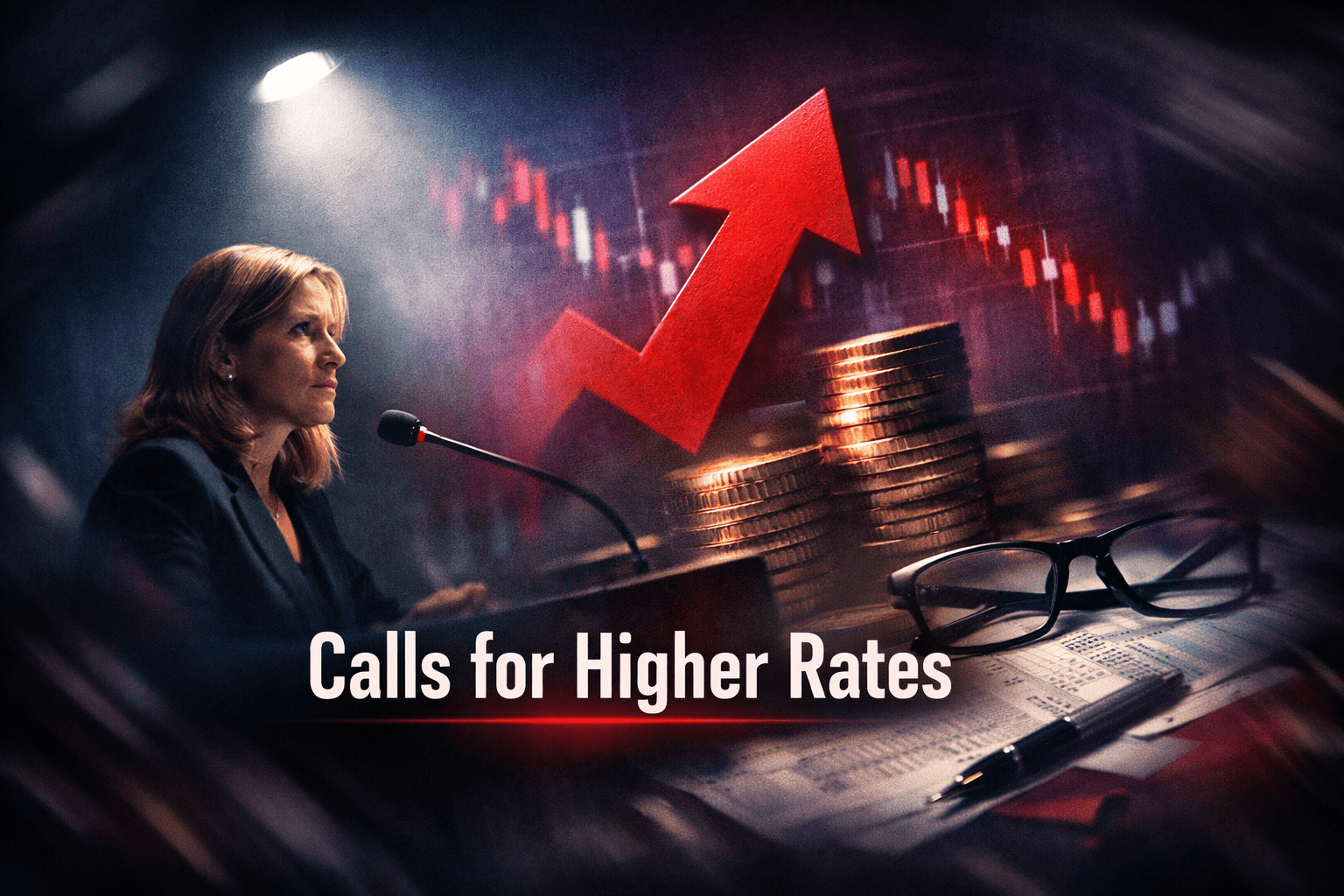
Dallas Fed President Lorie Logan said this week's good inflation news "wasn't good enough," and she called for "modestly" higher interest rates. That hawkish message raises the baseline for monetary policy and could pressure interest-rate sensitive sectors of the market.
Her comments on Jul 16 came as markets continue to parse mixed inflation data and the Fed's next moves. Investors should pay attention to how this shifts expectations for future rate policy and risk premia in fixed income and equities.
What's Happening
Logan publicly said recent inflation improvement still leaves room for higher policy rates, describing any increase as "modestly" higher. CNBC reported her view and noted she judged the week's inflation news insufficient to relax policy urgency.
- Date of report: Jul 16, 2026
- Policy stance described as: "modestly" higher interest rates
- Key contextual data point provided in briefing materials: $9
- Related editorial context referenced: 3 risks or topics flagged in follow-up commentary
Put simply, a Fed regional president is signaling that one week of favorable inflation readings does not yet change the need for tighter policy. For investors, that moves the narrative away from early rate cuts and toward a longer plateau or gradual tightening path.
Market participants will parse Logan's phrasing closely because regional Fed leaders influence expectations for the Federal Open Market Committee via public remarks and internal votes. Her emphasis on modestly higher rates suggests the Fed may want to see more durable downward momentum in inflation before shifting to easing.
Why It Matters For Your Portfolio
Logan's hawkish tone matters because it affects discount rates, borrowing costs, and valuations across asset classes. If higher-for-longer rates take hold, high-multiple growth stocks and other rate-sensitive areas could face renewed pressure, while cash and short-duration assets may offer more competitive yields.
Who should care: growth investors and traders monitoring interest-rate curves, income investors re-evaluating yield alternatives, and value investors assessing any rotation benefits as sector leadership shifts. Analysts on Wall Street are paying attention to these comments as they reprice rate expectations and earnings risk.
Risks To Consider
- Policy overreach risk: If the Fed raises rates further despite slowing inflation trends, growth could weaken and hit corporate earnings, amplifying downside for cyclical stocks.
- Data volatility risk: Short-term inflation prints can be noisy, and a hawkish response to transitory swings could prompt unnecessary tightening.
- Market repricing risk: Rapid shifts in rate expectations can widen credit spreads and disrupt liquidity; the bear case is a meaningful rerating of risk assets if the market prices a sustained higher-rate path.
What To Watch Next
Logan's comments add to the list of Fed-related signals you'll want to track. Focus on primary economic prints and Fed commentary rather than headlines alone.
- Upcoming inflation reports, especially monthly CPI and PCE releases, which will determine whether Logan's caution is validated or reversed
- Further Fed speeches from regional presidents and FOMC members for consistency or divergence in messaging
- Market-implied rate paths and Treasury yields, which will show whether traders take Logan's view as the new baseline
The Bottom Line
- Logan's call for "modestly" higher rates signals a hawkish tilt that raises the bar for near-term Fed easing.
- Expect increased volatility for rate-sensitive sectors as markets reprice the odds of tighter policy lasting longer.
- Monitor fresh inflation data and Fed comments before making portfolio shifts; analysts are already digesting the implications.
- Short-term tactical moves may favor higher-quality, shorter-duration assets while you wait for clearer signals.
- Keep an eye on liquidity and credit spreads; they can amplify market moves if policy surprises continue.
FAQ
Q: How does Logan's stance affect Fed rate expectations?
A: Her stance increases the probability that policymakers will keep rates higher for longer or consider modest increases, which pushes out expectations for cuts until inflation shows sustained improvement.
Q: Which investors are most exposed to this shift?
A: Growth investors and holders of long-duration assets are most exposed because higher discount rates reduce valuations. Income investors may find short-term opportunities in cash and money-market alternatives if yields stay elevated.
Q: What concrete signs should I watch to reassess my positioning?
A: Watch upcoming CPI and PCE inflation prints, follow additional Fed speeches for consensus, and track the Treasury yield curve and credit spreads for market-implied policy shifts.